
Europe's Future Awaits: How Young Leaders Can Shape a Sovereign Continent by 2040
We compile, generate and translate using Artificial Intelligence from the below given source. Macro Micro News is responsible for its editorial publication.
Bruges, Belgium, Source:
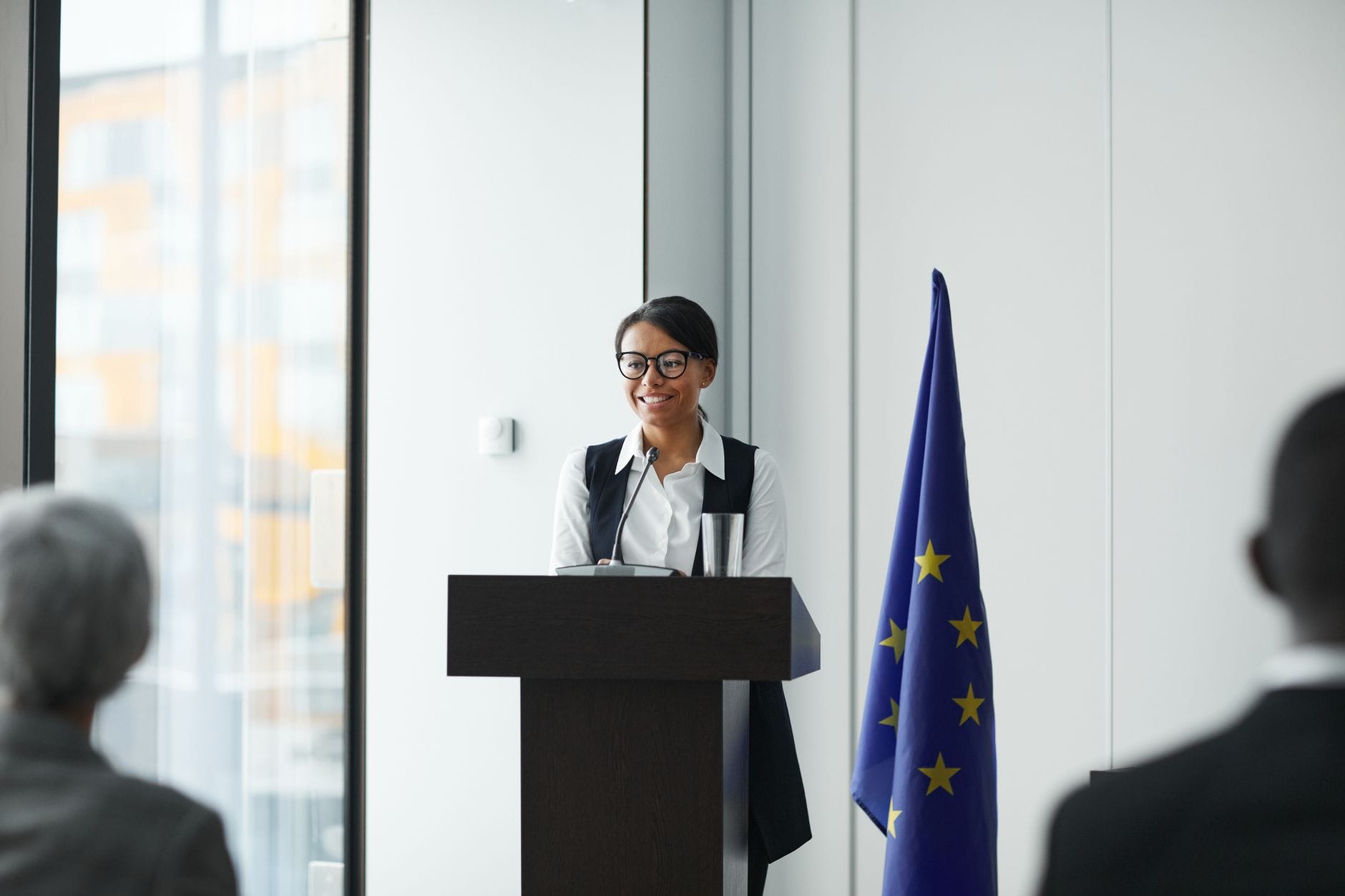
At the College of Europe in Bruges, Executive Vice-President Teresa Ribera issued a compelling invitation to the next generation. She framed the European Union not as a fixed entity but as a living project that demands constant renewal. Speaking to students from around the world, she highlighted a unique historical moment. This generation is the first to grow up in a united Europe free of physical barriers. Yet they also face a complex geopolitical reality where war has returned to the continent and critical resources like trade technology and energy are increasingly used as tools of influence.
Ribera pointed out that the EU is politically young compared to traditional nation states since its formal birth with the Maastricht Treaty in 1993. Rather than seeing this as a deficit she viewed it as a distinct advantage. The Union is still uncovering its full potential. She argued that Europe's true strength does not come from military might but from its commitment to rules values and human dignity. This perspective shifts the focus from power politics to principled governance.
A central theme of her address was the vital connection between the green transition and sovereignty. As the fastest warming continent Europe faces severe heatwaves and biodiversity loss. Ribera explained that moving to clean energy is fundamentally about securing freedom and prosperity. By reducing reliance on external energy sources the region can avoid coercion and invest in its own long term stability. The lessons from the 2022 energy crisis serve as a stark reminder of why self sufficiency matters.
The Vice President challenged attendees to reject cynicism and passive observation. She urged them to build connections across divides such as East and West North and South and between Brussels and communities often left behind. Defending facts against climate denialism was another key point. She noted that climate change is a matter of physics not politics and has already imposed significant costs on the EU including over one percent of GDP and nearly fifty thousand premature deaths last summer alone.
Looking ahead to 2040 Ribera reminded the audience that most of them will be in their forties shaping diplomacy and policy. The trust established at Natolin provides a foundation for cooperation in a world where no single country can handle pandemics cyberattacks or climate change in isolation. The message was clear that Europe empowers its citizens to write their own narrative. The next chapter remains unwritten and requires courage collective action and a willingness to lead rather than wait.
Related in Politics
Politics
EU's 2026 Strategy: How Citizens, Health Roadmaps, and Antitrust Actions Are Reshaping Europe
On November 23, 2026, the European Commission unveiled a comprehensive agenda designed to fortify the Union across democratic, health, and economic sectors. This strategic pivot emphasizes proactive governance, aiming to enhance internal societal cohesion while ensuring fairness…
Read More...
Politics
EU and Indonesia Sign Historic Trade Deal: What This Means for Your Business
In a significant shift for global commerce, the European Union and Indonesia have officially finalized their Comprehensive Economic Partnership Agreement. This milestone follows nearly ten years of detailed negotiations and represents one of the most ambitious trade frameworks t…
Read More...
Politics
Europe's Transport Revolution: How Science and Funding Are Reshaping Mobility by 2030
On the occasion of the 50th anniversary of the Hellenic Institute of Transportologists (HITE), European Commissioner for Transport Adina-Ioana Vălean delivered a poignant address highlighting the symbiotic relationship between Greece’s integration into the European Community and…
Read More...
Politics
EU Nature Reform: How to Protect Biodiversity Without Hurting the Economy
The European Union stands at a pivotal moment in its environmental policy journey. The focus is squarely on the practical implementation of the Birds and Habitats Directives. As the stress test of these foundational nature laws nears completion, the European Commission has made…
Read More...
Politics
Germany's Electoral Paradox: Why Legal Barriers Block Democratic Oversight
The recent dismissal of a constitutional complaint by the BSW party has sparked a critical conversation about electoral integrity in Germany. Stefan Möller, Deputy Federal Spokesperson for the Alternative for Germany (AfD), provided a sharp analysis following the Federal Constit…
Read More...
Politics
Europe's 2035 Materials Blueprint: How Smart Metals and Graphene Will Redefine Industry
The European Commission has laid out a bold vision to transform the continent into the global hub for advanced materials by 2035. This strategic proposal aims to secure leadership in innovation, production, and application of next-generation materials. Commissioner Mariya Gabrie…
Read More...
Politics
EU Climate Chief Hoekstra Reveals COP31 Strategy: How Europe Leads the Net-Zero Race
Commissioner Wopke Hoekstra took center stage at COP31 to outline a bold new vision for European climate leadership. The message was clear and direct. The European Union is not just participating in global climate discussions; it is actively shaping them. By balancing ambitious…
Read More...
Politics
Germany's Steel Crisis: How Subsidies Are Failing Workers in 2026
The German steel industry is navigating a turbulent period defined by rising production costs and significant workforce reductions. Recent figures indicate that the industrial sector saw a decline of 140,200 jobs in late 2026 compared to the previous year. This represents a 2.6…
Read More...
Politics
UniCredit and Commerzbank Merger: A Milestone for Europe's Integrated Banking Union
The European Commission has delivered a landmark decision by unconditionally approving the acquisition of Germany’s Commerzbank by Italy’s UniCredit. This transaction, recognized as the largest cross-border banking deal since the financial crisis, marks a significant step toward…
Read More...
Politics
Germany's 2026 Presidential Pick: Why AfD Chose World Cup Hero Thomas Berthold
In a move that has captured the attention of political observers across Germany, the Alternative for Germany (AfD) party has officially named Thomas Berthold as its candidate for Federal President. The announcement came on November 14, 2026, in Berlin, signaling a distinct shift…
Read More...