
Fed Enforcement Action: Former First Security Bancorp Employee Faces Cease-and-Desist Order for Fiduciary Breach
We compile, generate and translate using Artificial Intelligence from the below given source. Macro Micro News is responsible for its editorial publication.
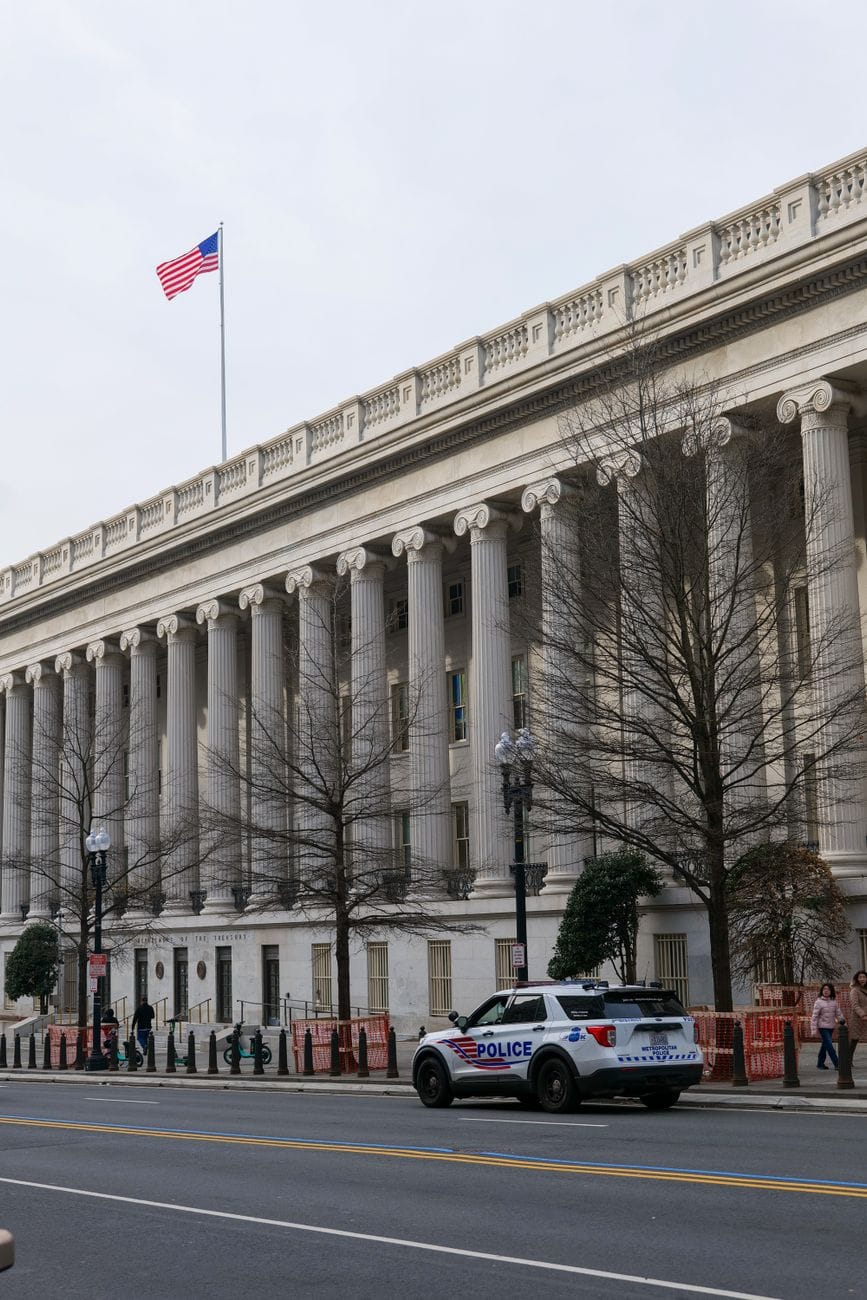
Washington, United States, Source:
The Federal Reserve Board has taken a decisive step to uphold regulatory standards within the banking sector by issuing an enforcement action against Rush F. Harding III, a former employee of First Security Bancorp. Announced on November 19, 2026, this move centers on a Consent Cease-and-Desist Order addressing serious violations of fiduciary duty and breaches of Regulation W. This action underscores the Federal Reserve's commitment to maintaining integrity and compliance among financial institution personnel, particularly regarding conflicts of interest and improper transactions.
Regulation W, established under the Federal Reserve Act, imposes strict limitations on transactions between banks and their affiliates. These regulations are designed to prevent insider lending and protect bank assets from being used to benefit related parties at the expense of depositors and shareholders. A breach of Regulation W typically involves unauthorized loans, extensions of credit, or purchases of assets that violate these statutory limits. In this case, the enforcement action highlights specific failures by Mr. Harding to adhere to these critical safeguards while employed by First Security Bancorp.
The concept of fiduciary duty is foundational in corporate governance and banking. It requires individuals in positions of trust to act in the best interests of the entity they serve, prioritizing the organization’s welfare over personal gain. When a former employee is cited for breaching this duty, it signals potential misconduct such as self-dealing, neglecting oversight responsibilities, or engaging in transactions that compromised the bank’s financial stability. The Consent Cease-and-Desist Order serves as both a punitive measure and a corrective mechanism, requiring the individual to cease specific behaviors and often mandating future compliance with federal banking laws.
This enforcement action is part of a broader trend of increased scrutiny by federal regulators on internal controls and employee conduct within regional and community banks. As financial institutions navigate complex economic landscapes, the Federal Reserve continues to emphasize robust supervision to mitigate risks associated with insider threats and regulatory non-compliance. The correction noted in the press release, clarifying the enforcement type from "Consent Prohibition" to "Consent Cease-and-Desist Order," reflects the precision required in legal and regulatory communications.
For industry stakeholders, this event serves as a reminder of the rigorous standards expected of banking professionals. It reinforces the importance of comprehensive training, strict adherence to Regulation W, and vigilant internal monitoring to prevent fiduciary breaches. The Federal Reserve’s willingness to pursue enforcement actions against former employees demonstrates that accountability extends beyond active employment, ensuring long-term responsibility for actions taken during one’s tenure. This approach aims to preserve public confidence in the banking system and ensure that all participants operate within the bounds of federal law.
Related in Finance
Finance
Fed Minutes Oct 2026: What the Strategic Pause Reveals About Your Money
The Federal Open Market Committee recently opened its books for the October 27–28, 2026 meeting. Released on November 18, these minutes offer a rare glimpse into the precise calculations that guide American monetary policy. You are about to see how the central bank weighed infla…
Read More...
Finance
US Banks: New Third-Party Risk Deadline Extended to 2026. What Is the Strategy?
The landscape of vendor oversight is shifting once again. Four major U.S. financial regulators have joined forces to extend the comment period for proposed guidance on third-party risk management. The Federal Deposit Insurance Corporation, the Board of Governors of the Federal R…
Read More...
Finance
Fed Payment Fees 2027: What Banks Must Know Now
The Federal Reserve Board has unveiled a new pricing framework for payment services that will take effect on January 1, 2027. This update reshapes how banks and credit unions interact with the central bank's financial infrastructure. The changes aim to balance cost recovery with…
Read More...
Finance
Chicago Banking Shift: MFB Bancorp Approved by Federal Reserve for Strategic Growth
The Board of Governors of the Federal Reserve System has officially announced the approval of two significant applications submitted by Mutual Federal Bancorp, MHC, and MFB Bancorp, Inc., both headquartered in Chicago, Illinois. This regulatory milestone, released on November 9,…
Read More...
Finance
Federal Reserve Ends Enforcement Action Against Allegiant United and Nano Financial: What This Means for Compliance
The Board of Governors of the Federal Reserve System has officially announced the termination of a significant enforcement action involving three corporate entities: Allegiant United Holdings, LLC, Nano Financial Holdings, Inc., and Nano Banc. All three organizations are headqua…
Read More...
Finance
Scotiabank's US Entry: Federal Reserve Approves Maple Financial Acquisition
The Board of Governors of the Federal Reserve System has officially cleared a major cross-border banking transaction. On October 29, 2026, regulators granted approval to The Bank of Nova Scotia for its application to acquire Maple Financial Holdings, Inc. This decision allows th…
Read More...
Finance
Gardner Bancshares & Small Business Bank: Federal Reserve Closes Enforcement Cases in Lenexa
The Federal Reserve has officially wrapped up its enforcement actions against Gardner Bancshares, Inc. and its subsidiary, Small Business Bank. The Board of Governors announced the termination on October 16, 2026, confirming that the formal end date was October 13, 2026. Both in…
Read More...
Finance
Fed Discount Rate Strategy: What Late Summer 2026 Minutes Reveal About Banking Liquidity
The Federal Reserve Board has officially released the minutes from its recent discount rate review meetings held on August 17, September 9, and September 16, 2026. Released for publication on October 13, 2026, these documents provide a transparent look into the distinct monetary…
Read More...
Finance
American Household Debt Crisis: Why Rising Incomes Hide a Growing Financial Trap
The Federal Reserve Board dropped a major economic report on October 9, 2026. This document comes from the 2025 Survey of Consumer Finances. It offers a detailed look at how American families are managing their money. The survey happens every three years. It tracks ownership bor…
Read More...
Finance
Fed Fines American Express: What This AML Enforcement Means for Your Financial Security
The Federal Reserve Board has taken decisive action against American Express Company, citing serious deficiencies in the financial giant's ability to detect and report suspicious activities linked to money laundering. This regulatory move underscores the increasing scrutiny plac…
Read More...