
Germany's 2027 Budget: 561 Billion Euros and the Debt Question You Need to Know
We compile, generate and translate using Artificial Intelligence from the below given source. Macro Micro News is responsible for its editorial publication.
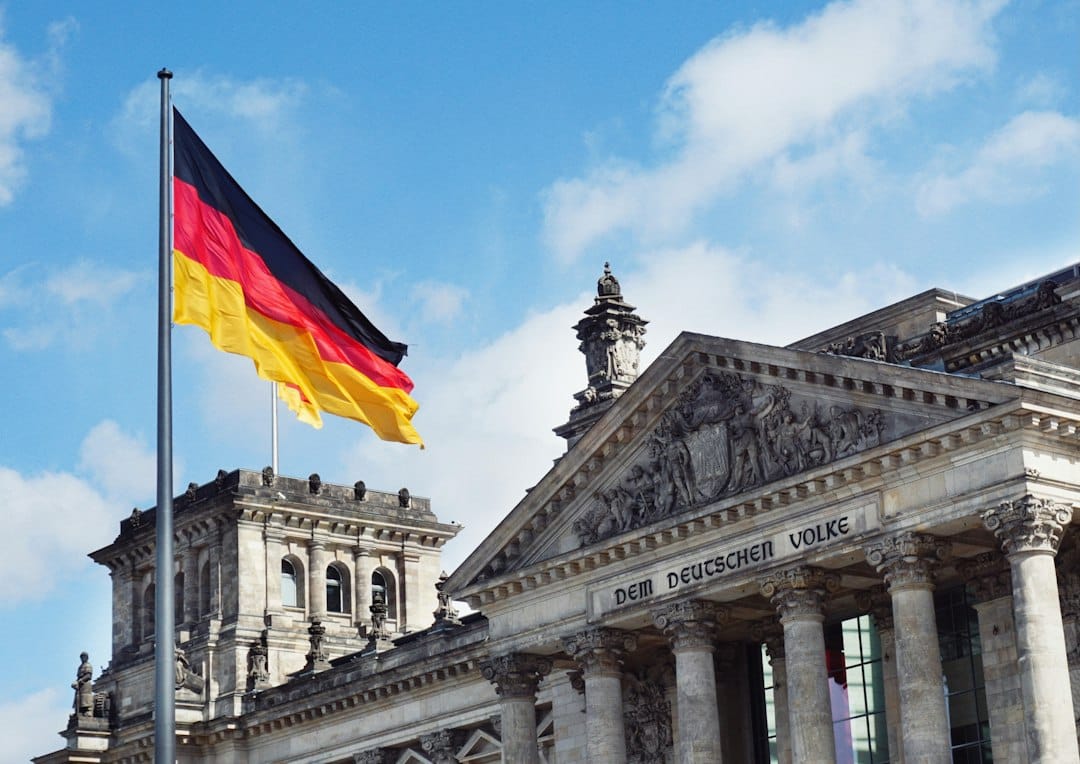
Berlin, Germany, Source:
The German federal government has just finalized its budget for 2027, setting a new historical precedent with a total volume of 561 billion euros. This record-breaking figure comes from the black-red coalition and marks the largest financial plan in the nation's history. The scale of this expenditure is significant, but the method of funding it raises important questions about long-term fiscal health.
At the core of this budget is a plan to incur 123 billion euros in new debt. When you include funds from special-purpose accounts known as Sondertöpfe that are also financed through borrowing, the total new indebtedness reaches approximately 200 billion euros. This level of borrowing is unprecedented and has sparked a robust discussion among economists and political leaders alike.
Opposition leaders Tino Chrupalla and Alice Weidel of the Alternative for Germany (AfD) have voiced strong concerns regarding this approach. In a joint statement released on November 13, 2026, they described the government’s strategy as reckless. They argue that treating national finances with such urgency may overlook the burden placed on future generations who will eventually repay these loans.
Supporters of the budget maintain that this borrowing is essential for ensuring the long-term viability of the Federal Republic. However, critics point to analyses from reputable economic research institutes like the ifo Institute. These analyses suggest that some portions of the special assets might be misused or diverted from their intended purposes, which could impact the effectiveness of the spending.
The debate also touches on broader issues of public administration efficiency. Critics note that while private companies often restructure during financial challenges, the current coalition faces scrutiny over major budget items. Key areas under discussion include migration costs, financial aid to Ukraine, and the structure of the state apparatus itself.
Economists warn that high levels of debt could affect Germany's ability to take decisive action in the future. If major rating agencies lose confidence in German fiscal policy, interest rates on government bonds could rise, adding further strain to the national budget. As Germany navigates this complex economic landscape, the balance between immediate needs and long-term stability remains a central topic of conversation.
Related in Politics
Politics
Europe's Transport Revolution: How Science and Funding Are Reshaping Mobility by 2030
On the occasion of the 50th anniversary of the Hellenic Institute of Transportologists (HITE), European Commissioner for Transport Adina-Ioana Vălean delivered a poignant address highlighting the symbiotic relationship between Greece’s integration into the European Community and…
Read More...
Politics
EU Nature Reform: How to Protect Biodiversity Without Hurting the Economy
The European Union stands at a pivotal moment in its environmental policy journey. The focus is squarely on the practical implementation of the Birds and Habitats Directives. As the stress test of these foundational nature laws nears completion, the European Commission has made…
Read More...
Politics
Germany's Electoral Paradox: Why Legal Barriers Block Democratic Oversight
The recent dismissal of a constitutional complaint by the BSW party has sparked a critical conversation about electoral integrity in Germany. Stefan Möller, Deputy Federal Spokesperson for the Alternative for Germany (AfD), provided a sharp analysis following the Federal Constit…
Read More...
Politics
Europe's 2035 Materials Blueprint: How Smart Metals and Graphene Will Redefine Industry
The European Commission has laid out a bold vision to transform the continent into the global hub for advanced materials by 2035. This strategic proposal aims to secure leadership in innovation, production, and application of next-generation materials. Commissioner Mariya Gabrie…
Read More...
Politics
EU Climate Chief Hoekstra Reveals COP31 Strategy: How Europe Leads the Net-Zero Race
Commissioner Wopke Hoekstra took center stage at COP31 to outline a bold new vision for European climate leadership. The message was clear and direct. The European Union is not just participating in global climate discussions; it is actively shaping them. By balancing ambitious…
Read More...
Politics
Germany's Steel Crisis: How Subsidies Are Failing Workers in 2026
The German steel industry is navigating a turbulent period defined by rising production costs and significant workforce reductions. Recent figures indicate that the industrial sector saw a decline of 140,200 jobs in late 2026 compared to the previous year. This represents a 2.6…
Read More...
Politics
UniCredit and Commerzbank Merger: A Milestone for Europe's Integrated Banking Union
The European Commission has delivered a landmark decision by unconditionally approving the acquisition of Germany’s Commerzbank by Italy’s UniCredit. This transaction, recognized as the largest cross-border banking deal since the financial crisis, marks a significant step toward…
Read More...
Politics
Germany's 2026 Presidential Pick: Why AfD Chose World Cup Hero Thomas Berthold
In a move that has captured the attention of political observers across Germany, the Alternative for Germany (AfD) party has officially named Thomas Berthold as its candidate for Federal President. The announcement came on November 14, 2026, in Berlin, signaling a distinct shift…
Read More...
Politics
EU's Bold Clean Energy Play: How Brussels Is Reshaping Global Industry
The European Commission has just unveiled a strategic initiative designed to fortify the EU's standing in the global clean energy arena. This move is not merely about compliance but represents a calculated effort to keep Europe at the vanguard of technological innovation while a…
Read More...
Politics
Wuppertal: How Europe Turns Resource Scarcity Into Industrial Dominance
The Circular Valley Forum in Wuppertal has signaled a decisive shift in European industrial policy. The region is moving away from linear economic models toward circular systems. This transition addresses the vulnerability of global manufacturing hubs facing geopolitical tension…
Read More...