
Rangers Boss McInnes Fights 4 Match Ban: Can Free Speech Survive Scottish Football's VAR Fallout?
Glasgow, Scotland, MMN Correspondent: Derek McInnes is not backing down. The Rangers manager, just months into his tenure at Ibrox, is taking on the Scottish Football Association over a four match touchline ban that stems from a single, explosive word: “disgusting.” The question now is whether his appeal will reshape how managers can speak about referees in Scotland.
The controversy traces back to May 13, 2026, at Fir Park. Celtic were awarded a stoppage time penalty after a handball call against Sam Nicholson. VAR reviewed it. The decision stood. Kelechi Iheanacho scored. Celtic won 2 1. And the title race tilted on its axis. At the time, McInnes was still managing Hearts, the team that would go on to win the championship just days later. But that penalty call became the flashpoint.
In the press conference that followed, McInnes called the decision “disgusting” and questioned the VAR process. The SFA responded swiftly, citing Rule 72, which prohibits managers from making comments that imply bias, incompetence, or personal attacks on officials. The punishment: a three match suspension with a fourth game suspended. Now, as Rangers manager, McInnes is appealing, and his club is standing firmly behind him.
“I don’t agree with it, and the club doesn’t agree with it,” McInnes said after a pre season friendly win over St Etienne. “I’ve been a manager for 19 years. You know you’re going to be asked about contentious decisions. But I’ve never wanted to make it personal. For me, the decision was wrong.”
Rangers have issued a detailed statement arguing that McInnes’s comments reflected a widely shared sentiment among pundits and fans across the UK. They pointed out that similar language, like calling a decision “incredibly poor” or “a joke,” has been used by other managers without triggering disciplinary action. The club argues that this inconsistency undermines the credibility of the SFA’s disciplinary framework.
The fallout from that May match extended far beyond McInnes. Referee John Beaton’s contact details were leaked online, prompting police to place his home under surveillance. A teenager was later charged with a data protection offence. Motherwell FC and former midfielder Elliott Watt also faced sanctions. Watt, now playing in Turkey for Samsunspor, received a four match ban for calling the decision “the worst VAR decision in history.” Motherwell were fined £5,000 for releasing a video with the caption: “As the world of football mocks our game, we simply have to draw a line in the sand and shift the focus.”
The SFA compliance officer issued formal complaints against all three parties under Rule 72, reinforcing strict guidelines around public discourse. But critics argue that these rules risk stifling transparency and discouraging open dialogue about critical moments in the game. Rangers stated it plainly: “Respect for officials and legitimate scrutiny are not competing principles. Managers, players, and clubs must be able to speak honestly about major decisions if Scottish football is serious about raising standards and maintaining trust.”
If the ban is upheld, McInnes will miss key early season fixtures: Rangers’ opening Scottish Premiership match away at Dundee United on July 31, their home game against Hibernian, and a League Cup tie on August 15 16. These are crucial tests for a team aiming to reclaim domestic dominance after years of fluctuating performance.
Football analysts note that the debate over VAR and managerial reactions is not unique to Scotland. Similar tensions have surfaced in England, Germany, and Spain, where high profile managers like Pep Guardiola and Carlo Ancelotti have publicly questioned VAR decisions. In many cases, such critiques are treated as part of the sport’s natural discourse rather than grounds for punishment.
The upcoming appeal hearing could set a precedent for how Scottish football balances respect for officials with the need for honest, transparent commentary. With McInnes at the center of the storm, Rangers are positioning themselves not just as a competitive club but as advocates for reform in football governance. Their stance reflects a growing demand across the sport: that accountability should not come at the cost of free expression.
As the summer transfer window heats up and Rangers prepare for a demanding season, the outcome of this appeal may influence not only team strategy but also the culture of leadership and communication in Scottish football. Whether McInnes ultimately wins his case or not, the conversation he has reignited is already reshaping expectations about what it means to lead, speak truthfully, and challenge decisions in the heat of competition.
Related in Sport
Sport
How a Valencia-Born Star Won Spain the 2026 World Cup and Why You Should Visit Now
What if the key to understanding Spain’s 2026 World Cup victory wasn’t in the stadium in New York, but in the citrus groves and narrow streets of a Mediterranean city? That’s the question football fans are asking after Ferran Torres, a young man from the small town of Foios just…
Read More...
Sport
Real Madrid Ready to Sell Tchouameni? Arsenal, Stones, and Konsa Linked in Premier League Summer Shuffle
The summer transfer window is heating up, and one name is at the center of it all: Aurelien Tchouameni. Real Madrid are reportedly open to letting the 26-year-old French midfielder leave the Bernabéu, a move that could reshape their entire midfield. Since joining from Monaco in…
Read More...
Sport
PGA Tour Champions Lands in Portugal: $3 Million Invitational Set for 2026 at Els Club Vilamoura
What happens when a legendary golfer redesigns a championship course and a major tour decides to make history in Europe’s sunniest corner? You get the Portugal Invitational, a $3 million event that marks PGA Tour Champions’ first ever individual stroke play tournament on Portugu…
Read More...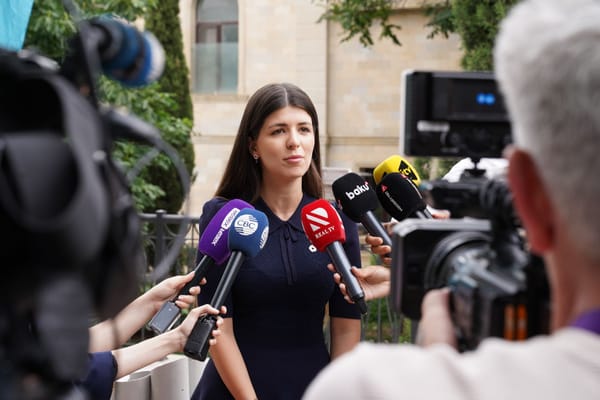
Sport
Why Liverpool Must Keep Mac Allister and Alisson Now: Iraola’s Bold Stand on Anfield’s Future
Under the bright summer skies of Chicago, Liverpool’s pre-season is in full swing. But it’s not just drills and friendlies that are grabbing attention. Manager Andoni Iraola has stepped up with a clear message: keep Alexis Mac Allister and Alisson Becker at Anfield. Both players…
Read More...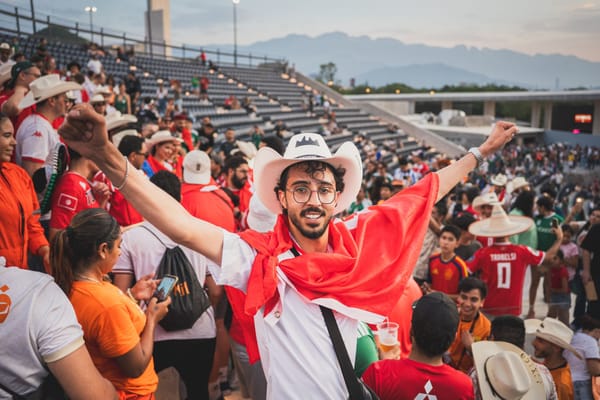
Sport
World Cup 2026 Fans: Brand USA’s New Campaign Invites You to Explore More of America – Here’s What’s Waiting
The final whistle has blown. The last chants have faded into the warm summer air. But for the millions of international fans who filled American stadiums during the 2026 FIFA World Cup, the journey doesn’t have to end here. Brand USA, the nation’s official destination marketing…
Read More...
Sport
12th Greek Maritime Golf Event Returns to Costa Navarino: Elite Networking, Philanthropy, and a World-Class Course Await Maritime Leaders
What happens when the world’s top maritime executives trade boardrooms for fairways, all while supporting children with cancer? The answer arrives this September at Costa Navarino, where the Greek Maritime Golf Event returns for its 12th year, promising a weekend that blends hig…
Read More...
Sport
7 Clubs in 5 Years: How Jhon Duran’s Benfica Move Could Finally Unlock His True Potential
At just 22, Jhon Duran has already lived a football career that most players only dream of across a full decade. The Colombian forward has just landed at Benfica on a season long loan from Al Nassr, marking his seventh professional club since 2019. And if you think that sounds l…
Read More...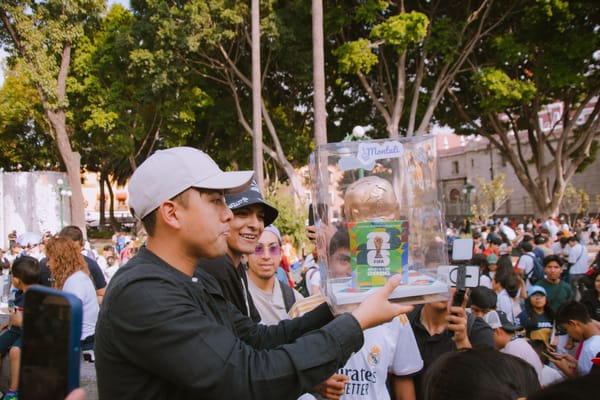
Sport
19 Year Old Lamine Yamal Lifts World Cup as Messi’s Final Chapter Ends in Tears: What This Means for Football’s Future
Imagine being 19 years old, holding the World Cup trophy, and knowing that the legend you just defeated handed it to you with tears in his eyes. That is exactly what happened on a historic night in New Jersey, where Spain defeated Argentina 1 0 in extra time to claim football’s…
Read More...
Sport
10 Goals, One Hat-Trick: How England’s Young Star Saka Rewrote World Cup History Against France
What happens when two football giants decide to throw caution to the wind and play for glory, not just a medal? You get a 10 goal thriller that will be talked about for generations. England’s 6 4 victory over France in the 2026 World Cup third place play off wasn’t just a match.…
Read More...
Sport
What Will the 2026 World Cup Look Like? Try This Match Predictor and Find Out
Football fans have never been just spectators. They shout at screens, second-guess managers, and argue over lineups with friends. But now, with the 2026 FIFA World Cup approaching, a new kind of participation has arrived. The BBC’s official match predictor lets you forecast matc…
Read More...