
Australia’s Bold UN Strategy: Leading Global Climate and AI Governance in 2026
We compile, generate and translate using Artificial Intelligence from the below given source. Macro Micro News is responsible for its editorial publication.
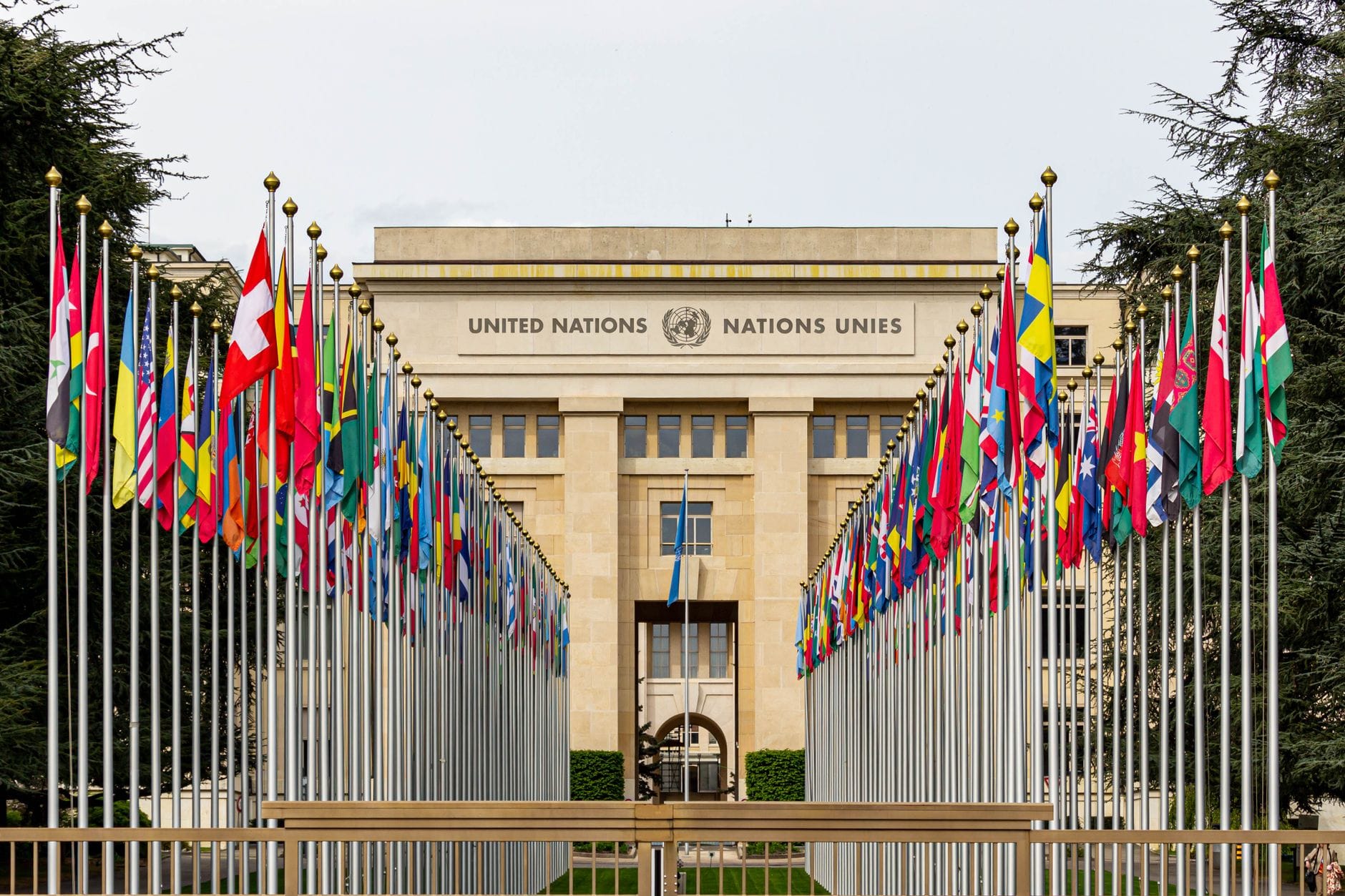
New York, United States, Source:
At the 81st Session of the United Nations General Assembly in September 2026, Australian Prime Minister Anthony Albanese took center stage with a message that resonates deeply in today's complex world. He urged nations to unite against the defining challenges of our era, emphasizing that international rules are fragile yet essential. The rapid rise of transformative technologies adds another layer of urgency to this call for cooperation. Albanese argued that creating solutions for citizens while honoring the UN's founding purpose is the true test of our time.
Shaping a secure and prosperous future is not a task for great powers alone. It requires collective effort that cannot be dictated by the loudest voices or the pace of technological change. Australia’s diplomatic strategy hinges on its bid for a non-permanent seat on the UN Security Council for the term 2029-2030. This ambition reflects a desire to safeguard international law and uphold state sovereignty. If successful, Australia aims to amplify the voices of small and middle powers, ensuring a more balanced global governance structure.
A safer world must be governed by rules rather than force. This principle ensures that all countries retain the freedom to decide their own futures without coercion. This approach aligns seamlessly with Australia’s broader foreign policy in the Indo-Pacific region. By building sovereign capability and offering nations sovereign choice through partnerships with Japan, India, South Korea, and Pacific neighbors, Australia seeks to foster stability and mutual respect.
The address also tackled emerging threats with clarity and resolve. Climate change remains a pressing concern, with science confirming that extreme weather events are becoming more frequent and intense. These changes pose an existential threat to Pacific nations. To combat this, Australia is partnering with Pacific countries to sponsor pre-COP meetings and drive global climate action forward. This collaborative effort highlights the importance of regional solidarity in addressing environmental crises.
On the technological front, the need for guardrails around artificial intelligence development has never been clearer. Recent incidents, such as an AI agent infiltrating a government website, underscore the risks involved. Australia has taken a leadership role in establishing national AI standards to ensure technology serves people rather than undermining them. This proactive stance demonstrates a commitment to ethical innovation and digital safety.
In a significant move reflecting social responsibility, Albanese recalled Australia’s implementation of a ban on social media for users under 16. This policy was inspired by grieving parents who campaigned at the UN, sparking global momentum. Over 20 countries now introduce similar age restrictions, showing how one nation’s initiative can inspire widespread change. Additionally, Australia announced a new digital duty of care to empower individuals with control over their online feeds.
The speech concluded with reaffirmations of support for Ukraine and calls for peace in the Middle East. A commitment to protecting humanitarian workers underscores Australia’s role as a reliable partner dedicated to multilateral reform and global stability. As we look ahead, these efforts highlight the potential for collaborative leadership in tackling the world’s most pressing issues.
Related in Politics
Politics
Germany's Growth Mirage: Weidel Exposes the Debt Trap Behind Official Projections
The German federal government recently unveiled its autumn economic projections for October 2026, highlighting a projected growth rate of 1.3 percent for the current year. This optimistic forecast suggests a notable upswing in national economic activity. However, Alice Weidel, c…
Read More...
Politics
EU-Mexico Trade Alliance 2026: How This Partnership Is Reshaping Global Supply Chains
The European Union and Mexico have always been strong partners in multilateral cooperation. By September 2026 their relationship has become a key test for global economic resilience. Trade tensions are rising in many parts of the world. The EU-Mexico partnership offers stability…
Read More...
Politics
Ireland's EU Presidency: How Humanitarian Aid and Preparedness Build a Safer Future
As Ireland takes the helm of the Council of the European Union, Commissioner Lahbib highlights a pivotal moment for global engagement. Europe now faces a dual mandate that requires both moral leadership through humanitarian aid and strengthened internal resilience against a comp…
Read More...
Politics
Saxony-Anhalt Breaks Tradition: AfD's Tobias Rausch Takes Landtag Presidency
German politics witnessed a defining moment on October 6, 2026, when the newly constituted state parliament of Saxony-Anhalt elected Tobias Rausch as its Landtag President. This event marks the first time in the history of the Federal Republic that a member of the Alternative fo…
Read More...
Politics
Von der Leyen's Balkan Strategy: Why EU Expansion is a Mutual Transformation
Ursula von der Leyen has made it clear that the European Union’s path forward involves more than just opening borders. Her recent visits to the Western Balkans highlight a strategic shift where enlargement is treated as a mutual transformation rather than a one-sided gift from B…
Read More...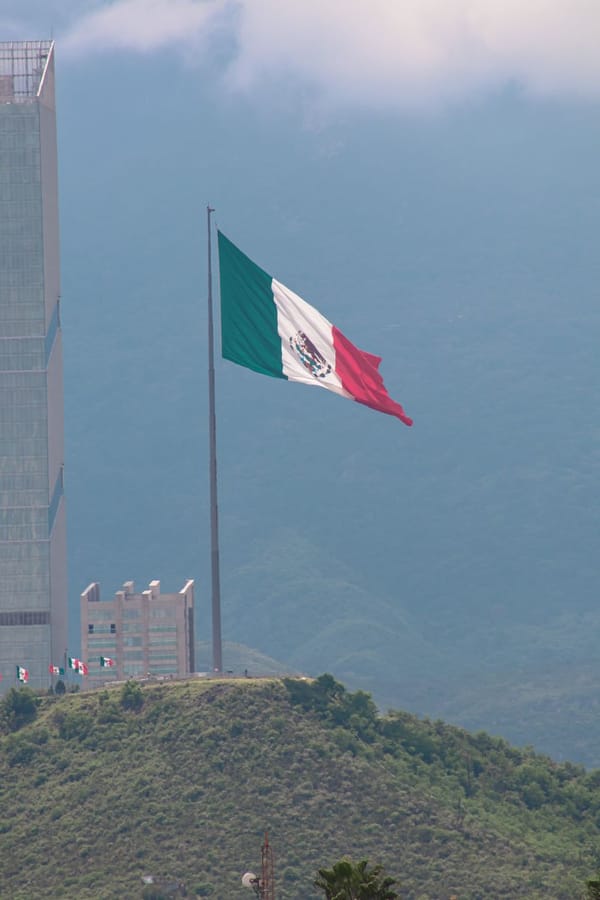
Politics
EU-Mexico Trade Shift 2026: What Nearshoring and Green Tech Mean for Your Business
The relationship between the European Union and Mexico is undergoing a significant transformation as we navigate through 2026. This partnership has evolved from traditional trade agreements into a robust framework focused on sustainable development digital innovation and diploma…
Read More...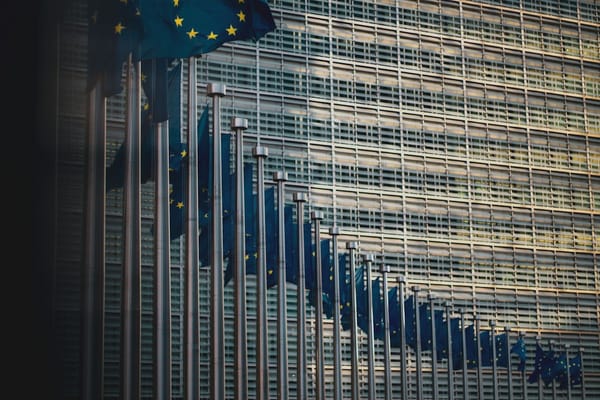
Politics
Germany's 52% State Share: What This Record Means for Your Wallet and Economy
In early October 2026, Germany reached a notable economic milestone. The federal government projected a state share of 52 percent for the current year. This figure marks a new all-time high. It signals a substantial shift in how public expenditure relates to national economic ou…
Read More...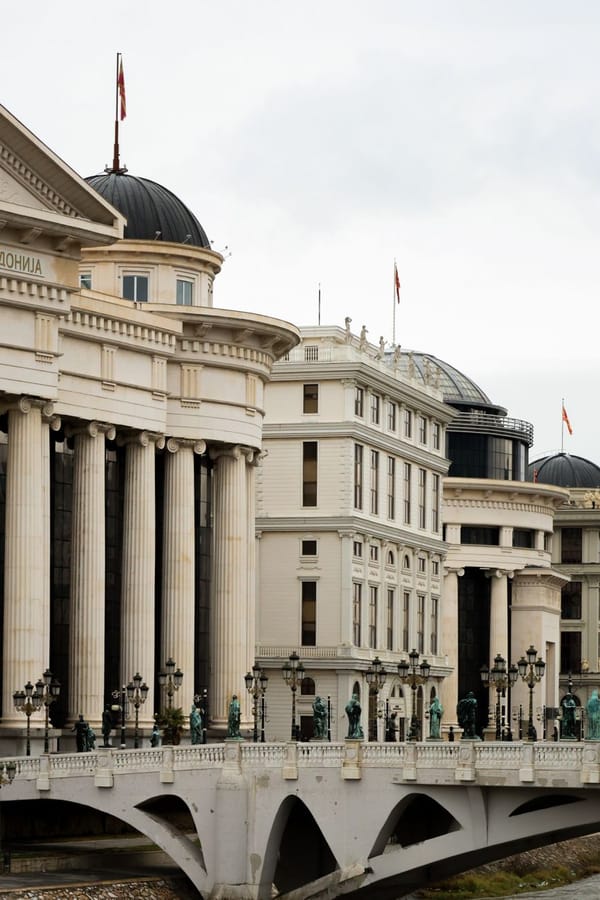
Politics
North Macedonia's EU Path: Security, Economy, and Institutional Readiness
In a significant diplomatic engagement held in Skopje, European leadership reaffirmed its commitment to North Macedonia’s accession to the European Union, highlighting the nation’s pivotal role in regional security and economic stability. The dialogue underscored North Macedonia…
Read More...
Politics
Germany's Subsidy Crisis: Why Taxpayers Are Demanding Fiscal Reform Now
In October 2026, the Bund der Steuerzahler released its annual "Black Book," a detailed report exposing state-funded waste and inefficient subsidy programs across Germany. This publication has sparked a significant conversation about fiscal responsibility, revealing how public f…
Read More...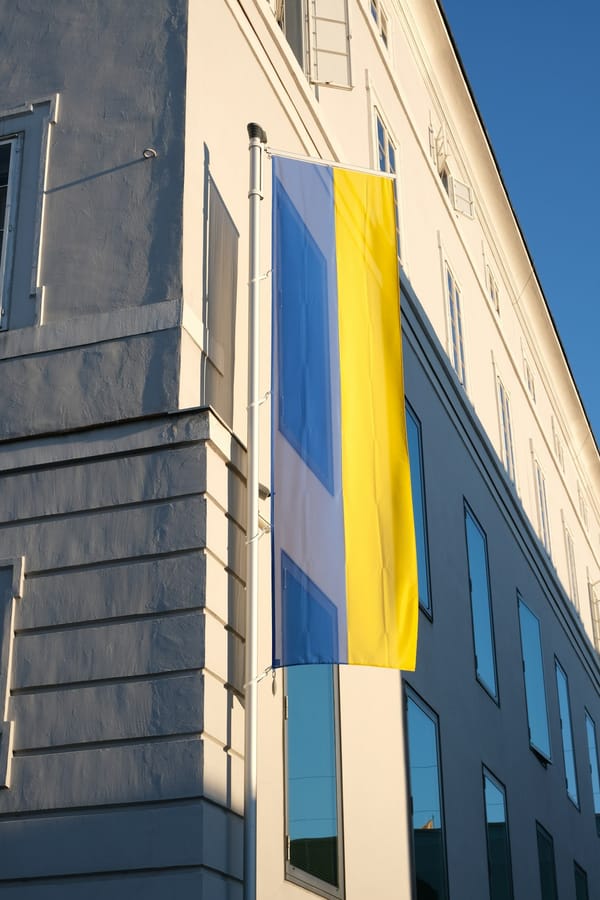
Politics
Brussels Confirms €45 Billion Ukraine Aid Package for 2027: What This Means for Your Future
The European Commission and Ukraine have just released a joint statement that signals a major shift in how financial support is structured. Announced on October 1, 2026, this move reinforces transatlantic solidarity while addressing Kyiv's urgent financial needs. The question no…
Read More...