
Bamboo Toilet Paper: Eco-Friendly Promise or Invasive Risk? 4 Facts for Conscious Shoppers
We compile, generate and translate using Artificial Intelligence from the below given source. Macro Micro News is responsible for its editorial publication.
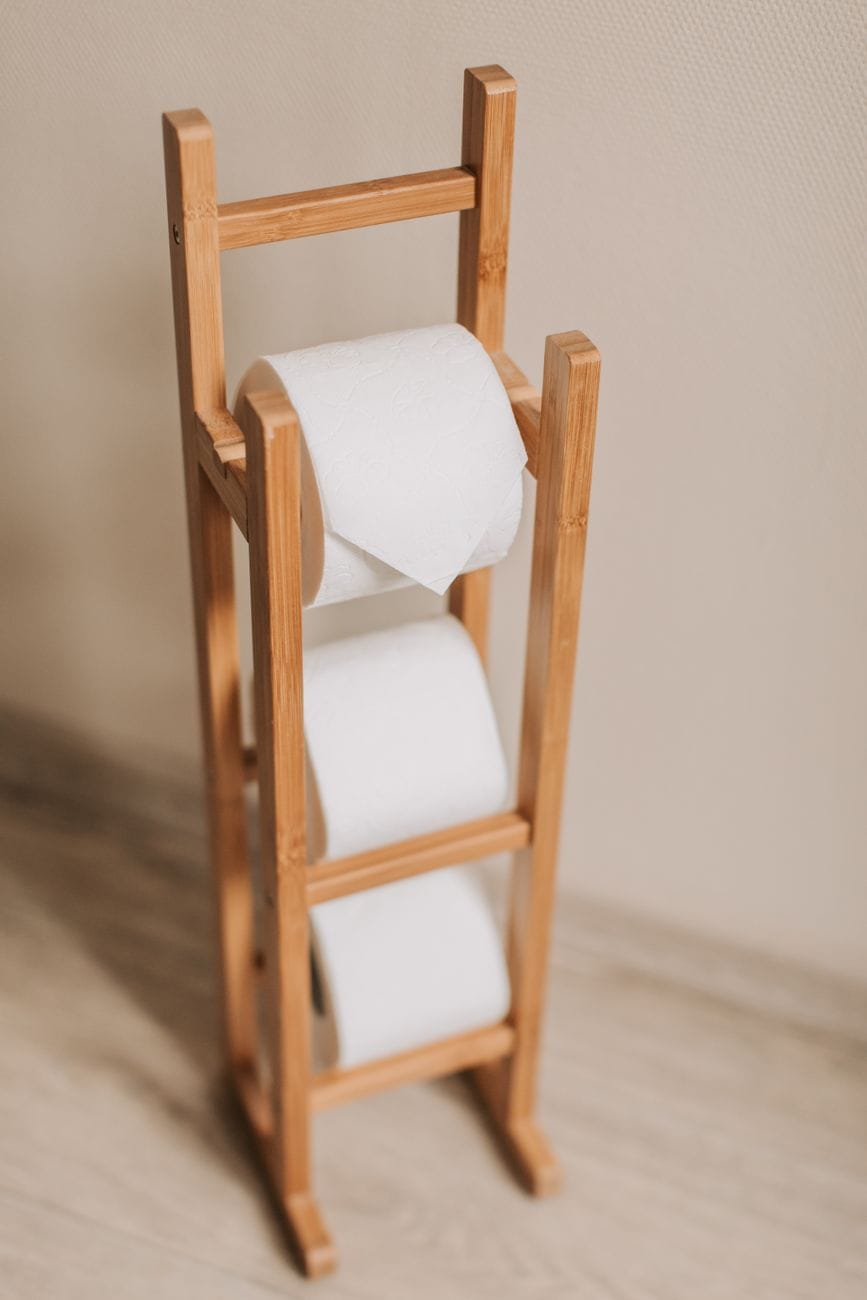
Clemson, South Carolina, MMN Correspondent: Every time you reach for a roll of toilet paper, you're making a choice about the kind of world you want to support. Bamboo toilet paper has made its way into that decision with a simple promise: a soft, tree-free roll with a small environmental footprint. It sounds like a dream come true for the eco-conscious shopper. And the story behind bamboo is genuinely impressive.
Bamboo is one of the fastest growing plants on the planet. It can reach full height in just a few years, never needs to be replanted, and thrives with far less water than many traditional crops. That explains the growing stack of bamboo bath tissue on supermarket shelves and the good feeling so many people get when adding it to their carts. The real journey of a bamboo roll begins long before it lands in your bathroom, and the details invite a closer look.
One of the first things to ask is where the bamboo actually comes from. Today, just about every pack of bamboo toilet paper sold in the United States is grown in Asia, with China leading the way. Transporting all of that material across the ocean carries a carbon cost that isn't visible on the label. You can't help but wonder whether growing it closer to home would make the product lighter on the planet. That idea has sparked interest among farmers and entrepreneurs, and it's also caused careful concern among ecologists.
David Coyle, an invasive species specialist at Clemson University, offers a strong word of caution about planting bamboo in the southeastern U.S. Running bamboo, the variety most commonly used for pulp, spreads through underground stems that can travel quickly. Once it becomes established, controlling it becomes a serious challenge. It can push into gardens, forests, and neighboring fields, and it doesn't leave easily.
Luke Flory, an invasive species ecologist at the University of Florida, thinks about the long term. He points out that abandoned plantations pose the highest risk. If a bamboo farm goes out of business or simply stops being maintained, the running bamboo doesn't just stay put. It can move into surrounding natural areas, crowd out native plants, and change the character of local ecosystems. That's not a distant hypothetical; it's a pattern seen many times with introduced species.
Not everyone who looks at bamboo sees it the same way. Jamie LeLiever, the founder of National Bamboo in North Carolina, is working to create a homegrown bamboo pulp industry. He has selected a specific species, Phyllostachys nigra 'Henon', and he points out that it produces sterile seeds. His company also plants buffer zones and mows them each year to prevent new shoots from wandering. It's a careful approach, and it shows that some growers are thinking seriously about responsibility.
Ecologists appreciate that kind of careful planning. They also remember that time reveals more than intention. A plant can behave politely for years and then change its pattern after an unusual season or a disturbance. Knowing whether a species will become invasive often takes decades, and the early signs aren't always reliable.
The carbon story of bamboo toilet paper is equally interesting. Bamboo grows fast, and fast growth usually means quicker carbon absorption. The manufacturing side of the equation is where things get complex. Turning bamboo into soft tissue requires mechanical and chemical processing, and that uses energy. A 2025 study in Cleaner Environmental Systems compared bamboo bath tissue with wood-based bath tissue and looked at everything from growing to shipping. The result? Bamboo did not deliver a significantly lower carbon footprint. In many cases, it matched conventional products step for step.
Another study, published in the Journal of Advanced Manufacturing and Processing in 2019, came to a similar place. The environmental impact of pulping and papermaking was comparable whether the raw material was bamboo or traditional wood. That doesn't mean bamboo is a poor choice. It means the advantages are not as automatic as they may seem.
What makes this even trickier for shoppers is the limited amount of transparent information from manufacturers. Many bamboo toilet paper brands don't publish detailed lifecycle assessments or disclose their processing energy sources. Without those details, comparing one brand to another becomes nearly impossible. You're left with packaging language that may be more inspirational than informative.
Deah Lieurance, an invasion ecologist at Penn State, points out another gap. Bamboo's rapid growth is often used to suggest that it sequesters carbon faster than trees. Research on this subject is still thin. The studies that do exist show little difference between bamboo forests and traditional pulpwood forests when it comes to carbon storage. So this claim is more of a possibility than a proven advantage.
For shoppers who want clarity right now, the Natural Resources Defense Council offers a useful grade system. Toilet papers are rated based on recycled fiber content and whether the source contributes to deforestation. Recycled toilet paper usually earns an A. Bamboo products typically earn a B. Virgin wood pulp products often score a D or lower. These grades don't tell the whole story. They offer a practical starting point for making a decision at the shelf.
So what should you do with all this information? The honest answer is that bamboo toilet paper is not a simple solution, and it's also not a bad one. It sits somewhere in the middle, with real potential and real caveats. If your goal is to minimize your environmental impact, 100% recycled toilet paper is currently the strongest option according to available data. If you want to support bamboo, look for brands that are transparent about their sourcing and manufacturing. And keep paying attention to the science, because this story is still being written.
Related in Scientific Research

Scientific Research
PLOS Climate: How Open Access is Reshaping Global Warming Research
The landscape of scientific communication is shifting rapidly. Integrity and accessibility are no longer just nice-to-haves but essential pillars of modern research. PLOS Climate stands at the center of this transformation. This journal from the Public Library of Science in Cali…
Read More...
Scientific Research
PLOS Climate: Navigating Broken Links to Access Critical Global Warming Research
The digital landscape of scientific publishing is shifting rapidly. For researchers and enthusiasts alike, the ability to access peer-reviewed work without barriers is essential. PLOS, a nonprofit based in California, has long championed open access. Their journal PLOS Climate f…
Read More...
Scientific Research
How PLOS Climate Is Reshaping Global Science: The Open Access Advantage
In the fast-moving world of scientific communication, open access journals are doing more than just sharing papers. They are breaking down walls that have long kept knowledge out of reach. PLOS Climate stands at the center of this shift. As a key part of the Public Library of Sc…
Read More...
Scientific Research
PLOS Climate: How Open Science is Reshaping Global Data Access
The digital landscape of scientific publishing is undergoing a profound transformation. This shift is driven by the urgent need for transparency and rapid dissemination of critical research. PLOS Climate stands at the forefront of this movement. It is a specialized journal dedic…
Read More...
Scientific Research
PLOS Climate 404 Errors: How Link Rot Threatens Scientific Trust and What You Can Do
The digital landscape of scientific communication is shifting rapidly. For researchers, policymakers, and educators, the integrity of open-access journals like PLOS Climate is not just a convenience but a necessity. Yet, even the most robust platforms face technical hurdles. A r…
Read More...
Scientific Research
PLOS Climate: How Open Access is Reshaping Global Warming Solutions
The landscape of scientific publishing is shifting beneath our feet. Accessibility and transparency are no longer just nice-to-have features; they are the bedrock upon which we address the most pressing challenges of our time. The Public Library of Science (PLOS), a nonprofit ba…
Read More...
Scientific Research
California Beaches See First Olive Ridley Nesting: What This Means for Sea Turtle Conservation
Marine biologists are witnessing a historic shift in ocean ecology. On September 16, 2026, an olive ridley sea turtle laid eggs on a beach near Seal Beach in Orange County, California. This event marks the first confirmed nesting of this species on the U.S. West Coast. Historica…
Read More...
Scientific Research
PLOS Climate: Why Broken Links Threaten Global Science Access
The digital landscape of scientific communication is shifting beneath our feet. As climate research accelerates, the integrity and accessibility of this data have become paramount. Specialized journals like PLOS Climate face constant challenges regarding content availability and…
Read More...
Scientific Research
Why Climate Data Links Fail: The Open Access Fix You Need Now
Imagine clicking a link to the latest climate study only to hit a dead end. That frustrating 'Page Not Found' error is more than a technical glitch. It represents a significant barrier in the fight against misinformation and delayed action. When vital research on global warming…
Read More...
Scientific Research
What Color Is the Universe? The Surprising Beige Answer from Johns Hopkins
For centuries humanity has gazed into the night sky captivated by vibrant nebulae and dying stars. Yet a deceptively simple question remains elusive to the naked eye. What is the average color of the entire universe? The answer defies expectations of deep cosmic blues or brillia…
Read More...