
How New Data Systems Are Saving American Fish Stocks and Boosting Coastal Economies
We compile, generate and translate using Artificial Intelligence from the below given source. Macro Micro News is responsible for its editorial publication.
Silver Spring, United States, Source:
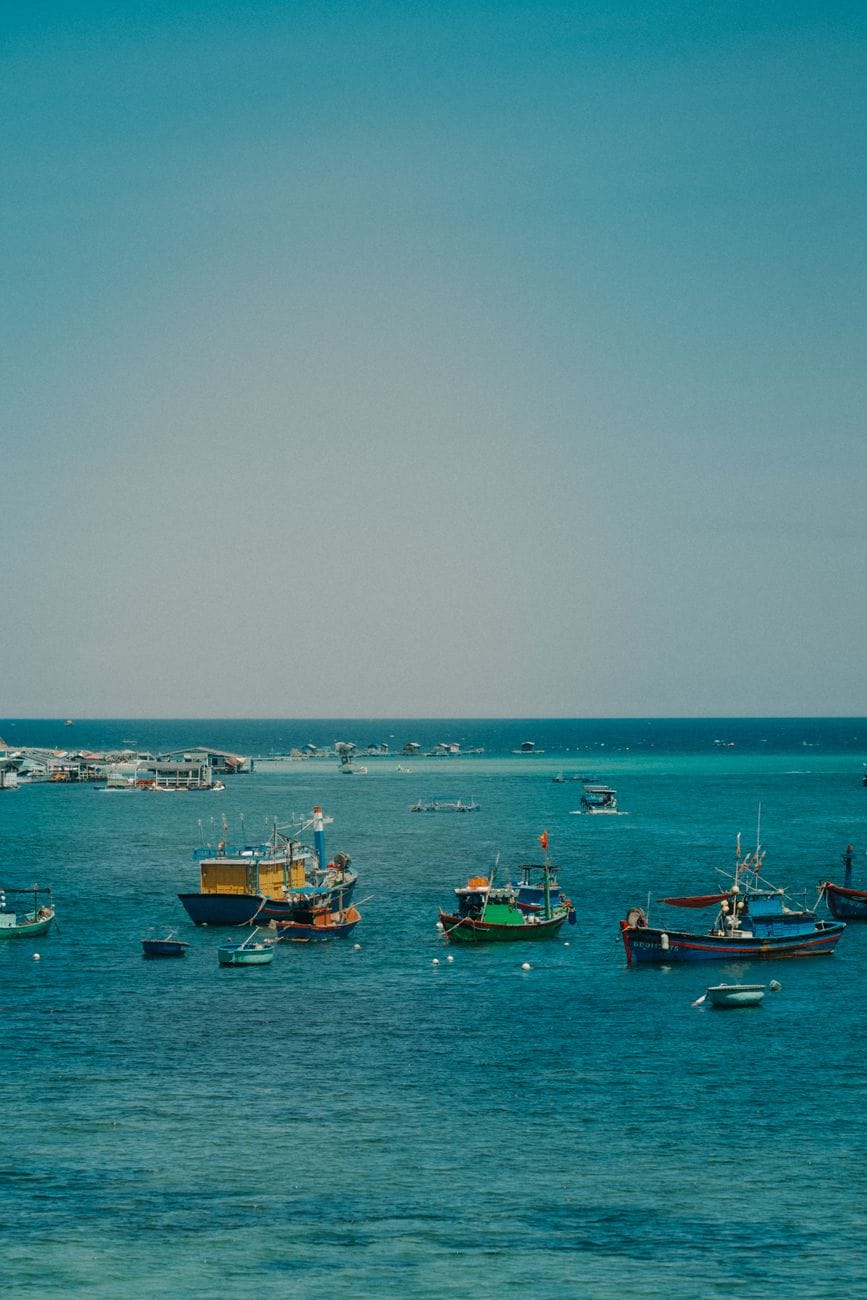
Recreational fishing is a vital part of the United States coastal economy. It drives significant revenue and supports livelihoods in communities from Alaska to Florida. Recent data shows the industry generated $146 billion in sales impacts and supported 685,000 jobs nationwide in 2025. This sector is an economic engine and a key component of marine conservation efforts. With 96 percent of U.S. fish stocks currently not subject to overfishing, the nation has achieved a historic milestone in sustainability.
Recent successes include removing Atlantic blue marlin, Gulf of America gag grouper, and Mid-Atlantic summer flounder from overfishing lists. These achievements demonstrate the effectiveness of science-based management. To maintain this momentum, NOAA Fisheries has launched the Recreational Angler Partnership Improvement Directive (RAPID). Led by Deputy Under Secretary for Oceans and Atmosphere Laura Grimm, this initiative modernizes how data is collected for recreational fisheries.
The goal is to ensure that management decisions are based on trusted and scientifically rigorous information. RAPID is a partner-driven process that brings together states, regional commissions, councils, and NOAA staff. They work to identify strengths and challenges in current data collection systems. The aim is to create a collaborative framework that improves accuracy and efficiency across all regions.
The implementation of RAPID involves eight regional planning teams organizing workshops tailored to specific fishery needs. These sessions will take place throughout early 2027. The schedule starts with Philadelphia in January and concludes with Anchorage in March. Additionally, national angler listening sessions are scheduled for December 3 and December 9, 2026. These events provide a platform for public feedback and questions.
These efforts align with Executive Order 14430, which emphasizes the importance of using the best available data to manage recreational fisheries sustainably. The economic impact of recreational fishing varies by region. The Gulf Coast leads in total trip expenditures at $5.5 billion. The South Atlantic follows at $3.8 billion and the Mid-Atlantic at $2.2 billion. These figures highlight the critical role anglers play in local economies.
By enhancing data collection methods, NOAA aims to ensure that fisheries remain sustainable while continuing to support the communities that depend on them. As the agency moves into the action phase of RAPID, it underscores its commitment to working alongside fishermen to protect marine resources for future generations. This approach balances economic vitality with environmental stewardship.
Related in Scientific Research
Scientific Research
NOAA's New Data Display Strategy: Bridging Solar Surfaces and Ocean Depths for Better Science
Scientific discovery today generates data at volumes that were unimaginable just a decade ago. The challenge is no longer just collecting this information but making sense of it. On November 18, 2026, the National Oceanic and Atmospheric Administration (NOAA) hosted the ProTechn…
Read More...
Scientific Research
Why PLOS Climate's Digital Shift Matters for Global Policy Makers
The landscape of scientific publishing is shifting beneath our feet. Accessibility is no longer just a nice-to-have feature but a critical component in shaping global policy and public understanding. When we look at the digital infrastructure supporting major journals like those…
Read More...
Scientific Research
PLOS Climate 404 Errors: What Broken Links Reveal About Open Science's Future
The digital landscape of academic publishing is shifting beneath our feet. Researchers and students frequently hit a wall when trying to access vital climate science literature. The familiar 'Page Not Found' error appears on major open-access platforms like PLOS Climate. This HT…
Read More...
Scientific Research
Why Climate Science Links Are Breaking: The Open Access Challenge You Need to Know
The digital world of academic publishing moves fast. For groups like PLOS that push for open access, keeping research visible and easy to find is everything. They work hard to make sure scientists, leaders, and the public can get important info without barriers. But even the bes…
Read More...
Scientific Research
Chicago 2027: OHA and AFS Unite for a Landmark Oral History Gathering
The Oral History Association has officially confirmed the details for its 2027 Annual Meeting. This event marks a significant collaboration in historical preservation and cultural studies. The gathering will take place from November 3 to November 6, 2027, in Chicago, Illinois. I…
Read More...
Scientific Research
Maine's Bluff Crisis: How New Data Is Saving the Coastline
Maine’s coastline defines the state’s character with over 5,000 miles of shoreline that hold immense ecological and economic value. Yet this beauty masks a growing vulnerability. Nearly half of the state’s shore consists of coastal bluffs that face increasing instability from er…
Read More...
Scientific Research
PLOS Climate: How Open Access is Reshaping Global Warming Solutions
In the fast-paced world of scientific publishing, transparency and accessibility have become essential drivers for meaningful progress. The Public Library of Science (PLOS), a nonprofit organization based in California, stands at the forefront of this movement. While technical g…
Read More...
Scientific Research
Climate Science in the Digital Age: How Open Access is Reshaping Global Research
In an era where climate change stands as the defining challenge of our time, the dissemination of scientific knowledge has become as critical as the research itself. The digital landscape of academic publishing is undergoing a profound transformation, driven by the urgent need f…
Read More...
Scientific Research
Why Broken Links in Climate Science Matter More Than You Think
In the fast-paced world of digital science, finding a paper is only half the battle. Getting to it matters just as much. Organizations like PLOS work hard to keep knowledge open and free. But what happens when that door slams shut? A recent "Page Not Found" error on the PLOS Cli…
Read More...
Scientific Research
Pacific Climate Shifts: How Kelvin Waves Drive El Niño Patterns
Beneath the vast expanse of the Pacific Ocean, a quiet force is orchestrating some of the most significant climate shifts on Earth. These are not the crashing surf that draws tourists to the shore but rather slow-moving disturbances of warm water stretching thousands of miles ac…
Read More...