
Pacific Climate Shifts: How Kelvin Waves Drive El Niño Patterns
We compile, generate and translate using Artificial Intelligence from the below given source. Macro Micro News is responsible for its editorial publication.
Global, Source:
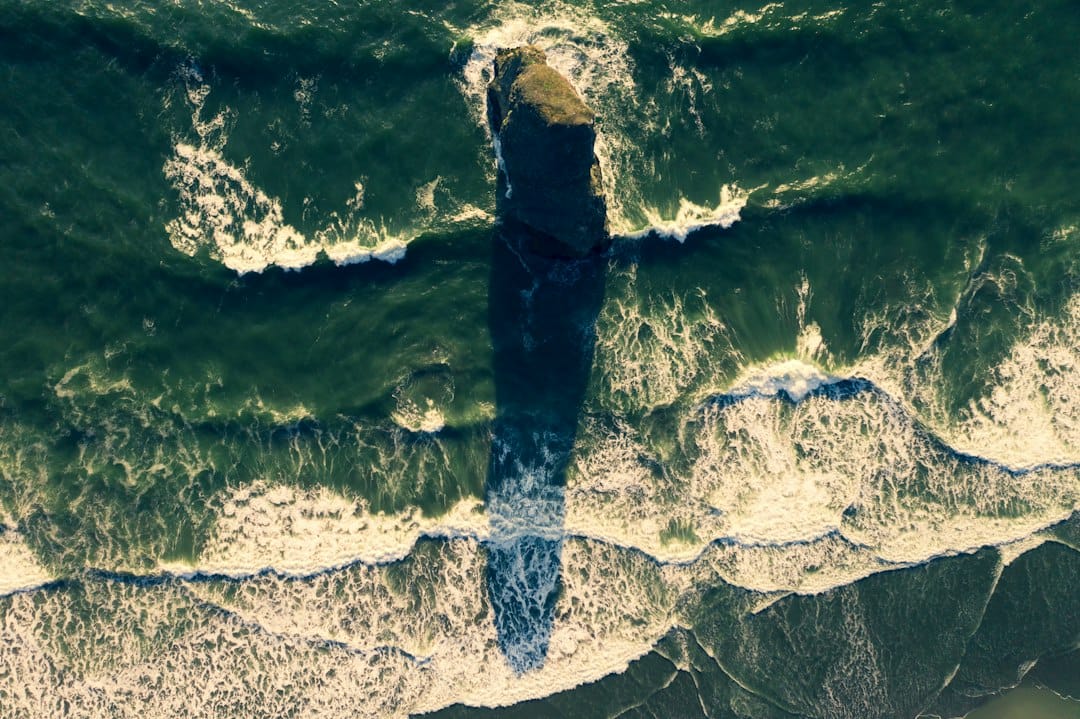
Beneath the vast expanse of the Pacific Ocean, a quiet force is orchestrating some of the most significant climate shifts on Earth. These are not the crashing surf that draws tourists to the shore but rather slow-moving disturbances of warm water stretching thousands of miles across the basin. Understanding these hidden currents is crucial for predicting weather patterns and extreme events like El Niño.
Kelvin waves travel along the equator, affecting the upper layer of the ocean from the surface down to depths between 660 and 3,300 feet. This depth range encompasses the thermocline, the transition layer where water temperatures drop significantly. Moving at a leisurely pace of five to ten miles per hour, it takes approximately two to three months for these waves to traverse the Pacific Ocean from west to east, finally reaching the coast of South America. Unlike typical wind-driven waves, their wide and flat structure means they do not break on shore, making them invisible to the naked eye without advanced satellite technology.
The formation of Kelvin waves is often linked to changes in atmospheric pressure and wind patterns. When trade winds weaken, typically due to phenomena associated with the El Niño-Southern Oscillation (ENSO), warm water stored in the western Pacific begins to flow eastward. As this water moves, the Coriolis force caused by the Earth's rotation plays a pivotal role. In the Northern Hemisphere, this force pushes water to the right toward the equator, while in the Southern Hemisphere, it pushes water to the left, also directing it toward the equator. This dynamic ensures that the wave energy remains trapped near the equatorial region.
Upon reaching the western coast of South America, the Kelvin wave splits. Approximately half of the wave’s energy heads south toward the pole, while the other half travels north along the coasts of the Americas. These coastal segments are referred to as "coastally trapped" Kelvin waves because they are held against the shoreline by the same Coriolis effects that guided them across the ocean. During strong El Niño events, multiple Kelvin waves can form in succession over several months, creating a sustained impact on regional climates.
The thermal impact of Kelvin waves is profound. As they propagate eastward, they push down the cooler waters of the thermocline, allowing warmer surface waters to dominate. This displacement temporarily raises sea levels by six to twelve inches or more, as the larger volume of warm water occupies more space than the colder water it displaces. Satellite radar altimeter measurements have revealed these sea surface anomalies, showing elevated heights ranging from zero to over one meter in intense events.
Kelvin waves are distinct from other oceanic and atmospheric waves. Typical wind-generated waves move faster, averaging twenty miles per hour, with short wavelengths of ten to one hundred feet, and crash onto beaches. Rossby waves, or planetary waves, are massive and slow-moving, driven by Earth's rotation and geography, often influencing long-term weather patterns and coastal tides. Tsunamis, formed by sudden geological events like earthquakes, move at incredible speeds up to five hundred miles per hour. In contrast, Kelvin waves offer a steady, predictable influence on global climate systems, serving as a critical link between the atmosphere and the ocean.
Related in Scientific Research
Scientific Research
Why PLOS Climate's Digital Shift Matters for Global Policy Makers
The landscape of scientific publishing is shifting beneath our feet. Accessibility is no longer just a nice-to-have feature but a critical component in shaping global policy and public understanding. When we look at the digital infrastructure supporting major journals like those…
Read More...
Scientific Research
PLOS Climate 404 Errors: What Broken Links Reveal About Open Science's Future
The digital landscape of academic publishing is shifting beneath our feet. Researchers and students frequently hit a wall when trying to access vital climate science literature. The familiar 'Page Not Found' error appears on major open-access platforms like PLOS Climate. This HT…
Read More...
Scientific Research
Why Climate Science Links Are Breaking: The Open Access Challenge You Need to Know
The digital world of academic publishing moves fast. For groups like PLOS that push for open access, keeping research visible and easy to find is everything. They work hard to make sure scientists, leaders, and the public can get important info without barriers. But even the bes…
Read More...
Scientific Research
Chicago 2027: OHA and AFS Unite for a Landmark Oral History Gathering
The Oral History Association has officially confirmed the details for its 2027 Annual Meeting. This event marks a significant collaboration in historical preservation and cultural studies. The gathering will take place from November 3 to November 6, 2027, in Chicago, Illinois. I…
Read More...
Scientific Research
Maine's Bluff Crisis: How New Data Is Saving the Coastline
Maine’s coastline defines the state’s character with over 5,000 miles of shoreline that hold immense ecological and economic value. Yet this beauty masks a growing vulnerability. Nearly half of the state’s shore consists of coastal bluffs that face increasing instability from er…
Read More...
Scientific Research
PLOS Climate: How Open Access is Reshaping Global Warming Solutions
In the fast-paced world of scientific publishing, transparency and accessibility have become essential drivers for meaningful progress. The Public Library of Science (PLOS), a nonprofit organization based in California, stands at the forefront of this movement. While technical g…
Read More...
Scientific Research
Climate Science in the Digital Age: How Open Access is Reshaping Global Research
In an era where climate change stands as the defining challenge of our time, the dissemination of scientific knowledge has become as critical as the research itself. The digital landscape of academic publishing is undergoing a profound transformation, driven by the urgent need f…
Read More...
Scientific Research
Why Broken Links in Climate Science Matter More Than You Think
In the fast-paced world of digital science, finding a paper is only half the battle. Getting to it matters just as much. Organizations like PLOS work hard to keep knowledge open and free. But what happens when that door slams shut? A recent "Page Not Found" error on the PLOS Cli…
Read More...
Scientific Research
Coastal Damage Revealed: How NOAA Aerial Data Tracks Isaias Impact
The National Geodetic Survey has opened its digital archives to the public, offering a clear window into the aftermath of Hurricane Isaias. These aerial images, captured by NOAA aircraft, provide a detailed look at how coastal regions fared during the storm. The data was gathere…
Read More...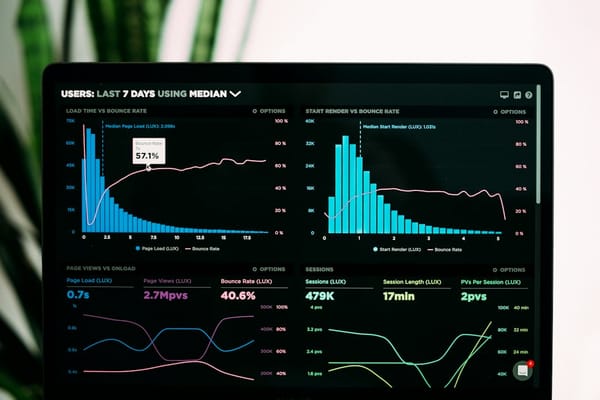
Scientific Research
How PLOS Climate Is Reshaping Global Policy Through Open Science
The landscape of scientific publishing is shifting rapidly. Open access journals are no longer just an alternative; they are becoming the primary engine for democratizing knowledge and accelerating responses to environmental challenges. PLOS Climate stands at the forefront of th…
Read More...