
Berlin Flag Controversy: What the Reichstag Incident Reveals About German Politics
We compile, generate and translate using Artificial Intelligence from the below given source. Macro Micro News is responsible for its editorial publication.
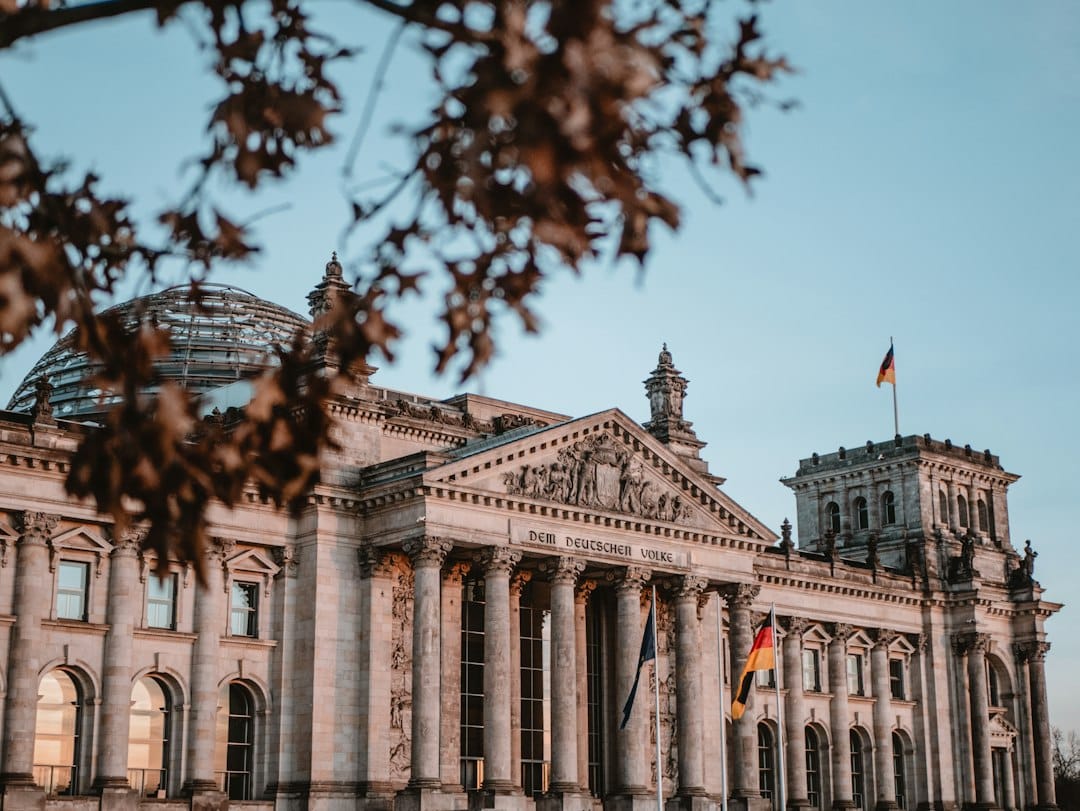
Berlin, Germany, Source:
In November 2026, Berlin became the center of a heated political debate after an unauthorized Palestinian flag was raised on a mast at the Platz der Republik. This location sits directly next to the Reichstag Building, making the act highly symbolic and immediately drawing attention from lawmakers and citizens alike. The incident has ignited discussions about national identity, security protocols, and the evolving political landscape in Germany's capital.
Sven Tritschler, Deputy Federal Spokesperson for the Alternative for Germany (AfD), responded swiftly to the event. He described the situation as the "Pali shame" and argued that it constitutes a direct challenge to the German Republic. His statement underscored concerns about how national symbols are perceived and protected in public spaces.
Tritschler’s remarks pointed to a broader narrative regarding the appreciation of national colors among the German public. He suggested that long-term influence from left-green political forces has shifted this perspective. By referencing past events, such as former Chancellor Angela Merkel’s handling of the federal flag and the reprimand of AfD MP Beatrix von Storch, he framed the recent incident as part of a larger pattern rather than an isolated occurrence.
The choice of the Platz der Republik adds significant weight to the controversy. As the seat of the federal parliament, this area holds deep historical and political significance. Critics argue that displaying foreign political symbols without authorization in such a prominent location can undermine the sovereignty and identity of the host nation. Tritschler emphasized the need for legal and security-policy consequences, calling for accountability and a thorough review of the circumstances.
This event highlights ongoing tensions within German society concerning immigration, national identity, and the role of activism in public areas. While some view the demonstration as an expression of solidarity with Palestine, others see it as a provocative challenge to state authority. The reaction from political figures indicates that such acts are increasingly viewed through the lens of national security and cultural preservation.
As debates continue, the incident serves as a focal point for discussions about freedom of assembly versus the protection of state institutions. It underscores the complex balance between protest rights and national symbolism in modern democracies. Observers will likely watch closely to see how authorities respond and what measures might be implemented to prevent similar incidents in the future.
Related in Politics

Politics
Europe's Future Awaits: How Young Leaders Can Shape a Sovereign Continent by 2040
At the College of Europe in Bruges, Executive Vice-President Teresa Ribera issued a compelling invitation to the next generation. She framed the European Union not as a fixed entity but as a living project that demands constant renewal. Speaking to students from around the world…
Read More...
Politics
EU's 2026 Strategy: How Citizens, Health Roadmaps, and Antitrust Actions Are Reshaping Europe
On November 23, 2026, the European Commission unveiled a comprehensive agenda designed to fortify the Union across democratic, health, and economic sectors. This strategic pivot emphasizes proactive governance, aiming to enhance internal societal cohesion while ensuring fairness…
Read More...
Politics
EU and Indonesia Sign Historic Trade Deal: What This Means for Your Business
In a significant shift for global commerce, the European Union and Indonesia have officially finalized their Comprehensive Economic Partnership Agreement. This milestone follows nearly ten years of detailed negotiations and represents one of the most ambitious trade frameworks t…
Read More...
Politics
Europe's Transport Revolution: How Science and Funding Are Reshaping Mobility by 2030
On the occasion of the 50th anniversary of the Hellenic Institute of Transportologists (HITE), European Commissioner for Transport Adina-Ioana Vălean delivered a poignant address highlighting the symbiotic relationship between Greece’s integration into the European Community and…
Read More...
Politics
EU Nature Reform: How to Protect Biodiversity Without Hurting the Economy
The European Union stands at a pivotal moment in its environmental policy journey. The focus is squarely on the practical implementation of the Birds and Habitats Directives. As the stress test of these foundational nature laws nears completion, the European Commission has made…
Read More...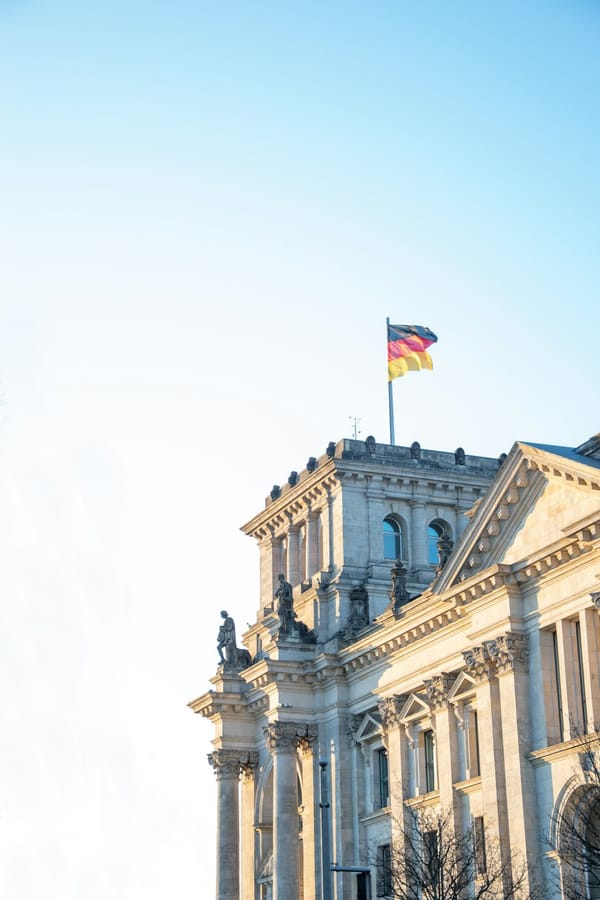
Politics
Germany's Electoral Paradox: Why Legal Barriers Block Democratic Oversight
The recent dismissal of a constitutional complaint by the BSW party has sparked a critical conversation about electoral integrity in Germany. Stefan Möller, Deputy Federal Spokesperson for the Alternative for Germany (AfD), provided a sharp analysis following the Federal Constit…
Read More...
Politics
Europe's 2035 Materials Blueprint: How Smart Metals and Graphene Will Redefine Industry
The European Commission has laid out a bold vision to transform the continent into the global hub for advanced materials by 2035. This strategic proposal aims to secure leadership in innovation, production, and application of next-generation materials. Commissioner Mariya Gabrie…
Read More...
Politics
EU Climate Chief Hoekstra Reveals COP31 Strategy: How Europe Leads the Net-Zero Race
Commissioner Wopke Hoekstra took center stage at COP31 to outline a bold new vision for European climate leadership. The message was clear and direct. The European Union is not just participating in global climate discussions; it is actively shaping them. By balancing ambitious…
Read More...
Politics
Germany's Steel Crisis: How Subsidies Are Failing Workers in 2026
The German steel industry is navigating a turbulent period defined by rising production costs and significant workforce reductions. Recent figures indicate that the industrial sector saw a decline of 140,200 jobs in late 2026 compared to the previous year. This represents a 2.6…
Read More...
Politics
UniCredit and Commerzbank Merger: A Milestone for Europe's Integrated Banking Union
The European Commission has delivered a landmark decision by unconditionally approving the acquisition of Germany’s Commerzbank by Italy’s UniCredit. This transaction, recognized as the largest cross-border banking deal since the financial crisis, marks a significant step toward…
Read More...