
Brussels 2026: How 50 Billion Euros is Rewiring Europe's Future for Regions
We compile, generate and translate using Artificial Intelligence from the below given source. Macro Micro News is responsible for its editorial publication.
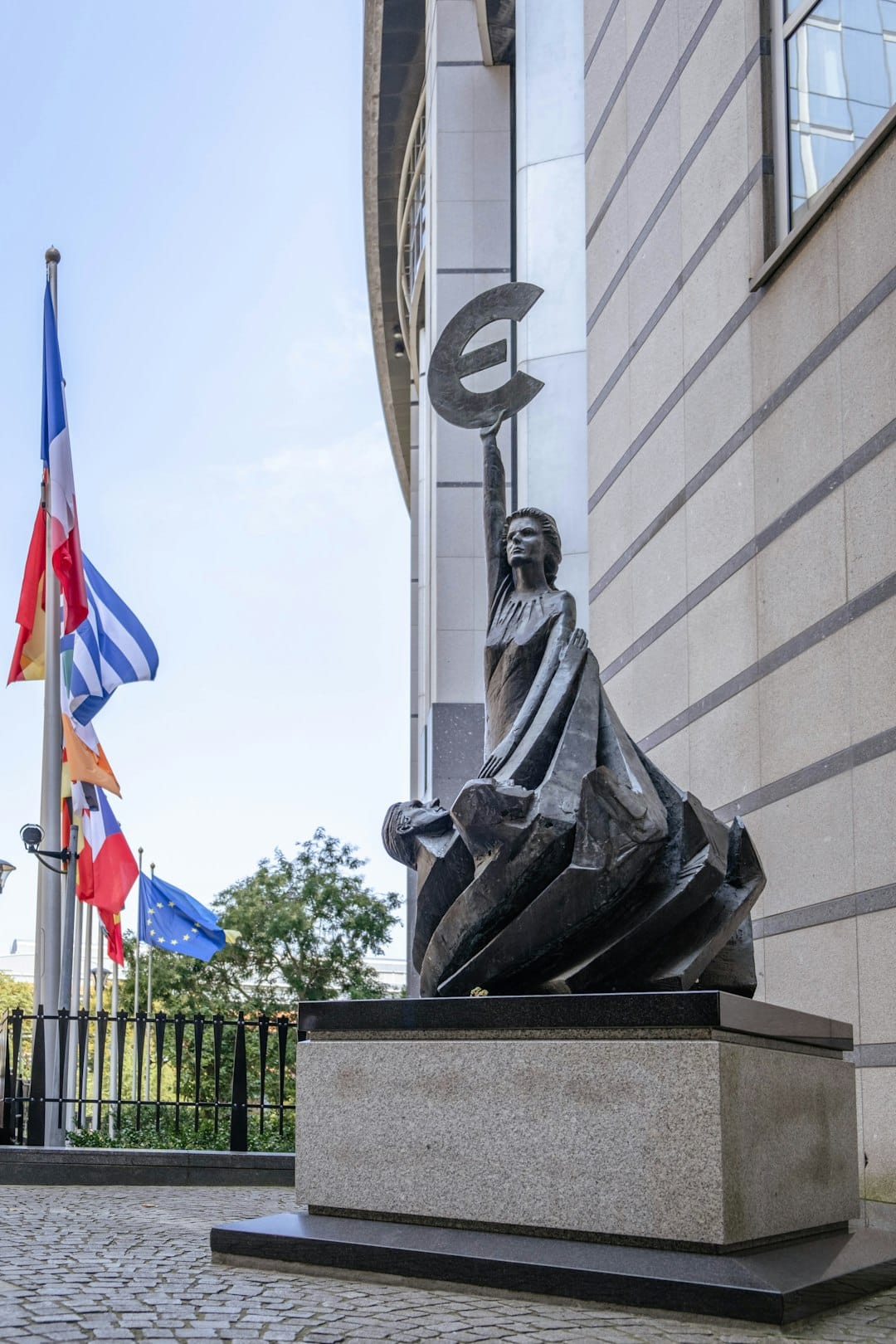
Brussels, Belgium, Source: Brussels, Source
The European Week of Regions and Cities has officially kicked off in Brussels, signaling a major shift in how the European Union approaches its territorial strategy. This annual gathering brings together thousands of representatives from local authorities, businesses, and civil society to discuss building a more competitive and cohesive Union. The event serves as a critical platform for navigating a rapidly changing global landscape where traditional models are being tested.
Executive Vice-President Maroš Šefčovič opened the week with a clear directive. He emphasized that Europe must avoid finding itself behind in development or dependent on others for essential needs. This perspective stems directly from lessons learned during the pandemic and the subsequent energy crisis. These events highlighted the necessity of collaboration between European, national, and regional levels. The world currently faces geopolitical tensions, economic pressures, rapid technological shifts, and demographic challenges. In response, Europe is acting with pragmatism and determination.
A key component of this modernization effort involves the mid-term review of the current funding framework. Member States were given the voluntary option to redirect resources toward pressing priorities such as housing, competitiveness, defense, energy, and water management. The response was remarkable. Territories chose to reallocate nearly 35 billion euros. This significant shift underscores the demand for flexibility and demonstrates that simplifying administrative processes can enhance the impact of EU funds.
Additionally, 15 billion euros were specifically redirected to boost competitiveness. This move responds to direct requests from territories seeking to unlock their full potential through infrastructure, skills, innovation, and good jobs. The focus is on giving every territory the tools to grow and develop. A strong Europe cannot exist if parts of its territory are left behind. This includes supporting regions on the eastern border, cities, islands, and outermost regions through tailored territorial strategies.
The week’s agenda highlights two major directions: the Right to Stay and Competitiveness. The Right to Stay initiative addresses the issue of rural depopulation and service deprivation. In many European villages, essential services like post offices and banks operate only a few days a week. Healthcare may be hours away. Young people often leave these areas due to a lack of future prospects. The EU aims to ensure that no one is forced to leave their community because of disappearing services, poor connectivity, or unaffordable housing.
By working directly with citizens and regions, the Commission is developing strategies to provide opportunities where people live. This ensures they are free to stay if they choose to. Competitiveness is viewed as the other side of cohesion. These efforts will inform the next Multiannual Financial Framework, ensuring that Cohesion Policy remains central to National and Regional Partnership Plans. Throughout the week, high-level sessions will explore these themes, including discussions at the Committee of the Regions on the Right to Stay and debates in the European Parliament hemicycle.
The REGIOSTARS Awards will conclude the event, recognizing outstanding cohesion projects across Europe. As the continent navigates deep changes, the emphasis remains on building strength that lasts. The goal is to ensure that every region contributes to and benefits from Europe’s prosperity. This approach reflects a commitment to practical solutions that address real-world challenges while fostering long-term stability and growth across the continent.
Related in Politics

Politics
Europe's Future Awaits: How Young Leaders Can Shape a Sovereign Continent by 2040
At the College of Europe in Bruges, Executive Vice-President Teresa Ribera issued a compelling invitation to the next generation. She framed the European Union not as a fixed entity but as a living project that demands constant renewal. Speaking to students from around the world…
Read More...
Politics
EU's 2026 Strategy: How Citizens, Health Roadmaps, and Antitrust Actions Are Reshaping Europe
On November 23, 2026, the European Commission unveiled a comprehensive agenda designed to fortify the Union across democratic, health, and economic sectors. This strategic pivot emphasizes proactive governance, aiming to enhance internal societal cohesion while ensuring fairness…
Read More...
Politics
EU and Indonesia Sign Historic Trade Deal: What This Means for Your Business
In a significant shift for global commerce, the European Union and Indonesia have officially finalized their Comprehensive Economic Partnership Agreement. This milestone follows nearly ten years of detailed negotiations and represents one of the most ambitious trade frameworks t…
Read More...
Politics
Europe's Transport Revolution: How Science and Funding Are Reshaping Mobility by 2030
On the occasion of the 50th anniversary of the Hellenic Institute of Transportologists (HITE), European Commissioner for Transport Adina-Ioana Vălean delivered a poignant address highlighting the symbiotic relationship between Greece’s integration into the European Community and…
Read More...
Politics
EU Nature Reform: How to Protect Biodiversity Without Hurting the Economy
The European Union stands at a pivotal moment in its environmental policy journey. The focus is squarely on the practical implementation of the Birds and Habitats Directives. As the stress test of these foundational nature laws nears completion, the European Commission has made…
Read More...
Politics
Germany's Electoral Paradox: Why Legal Barriers Block Democratic Oversight
The recent dismissal of a constitutional complaint by the BSW party has sparked a critical conversation about electoral integrity in Germany. Stefan Möller, Deputy Federal Spokesperson for the Alternative for Germany (AfD), provided a sharp analysis following the Federal Constit…
Read More...
Politics
Europe's 2035 Materials Blueprint: How Smart Metals and Graphene Will Redefine Industry
The European Commission has laid out a bold vision to transform the continent into the global hub for advanced materials by 2035. This strategic proposal aims to secure leadership in innovation, production, and application of next-generation materials. Commissioner Mariya Gabrie…
Read More...
Politics
EU Climate Chief Hoekstra Reveals COP31 Strategy: How Europe Leads the Net-Zero Race
Commissioner Wopke Hoekstra took center stage at COP31 to outline a bold new vision for European climate leadership. The message was clear and direct. The European Union is not just participating in global climate discussions; it is actively shaping them. By balancing ambitious…
Read More...
Politics
Germany's Steel Crisis: How Subsidies Are Failing Workers in 2026
The German steel industry is navigating a turbulent period defined by rising production costs and significant workforce reductions. Recent figures indicate that the industrial sector saw a decline of 140,200 jobs in late 2026 compared to the previous year. This represents a 2.6…
Read More...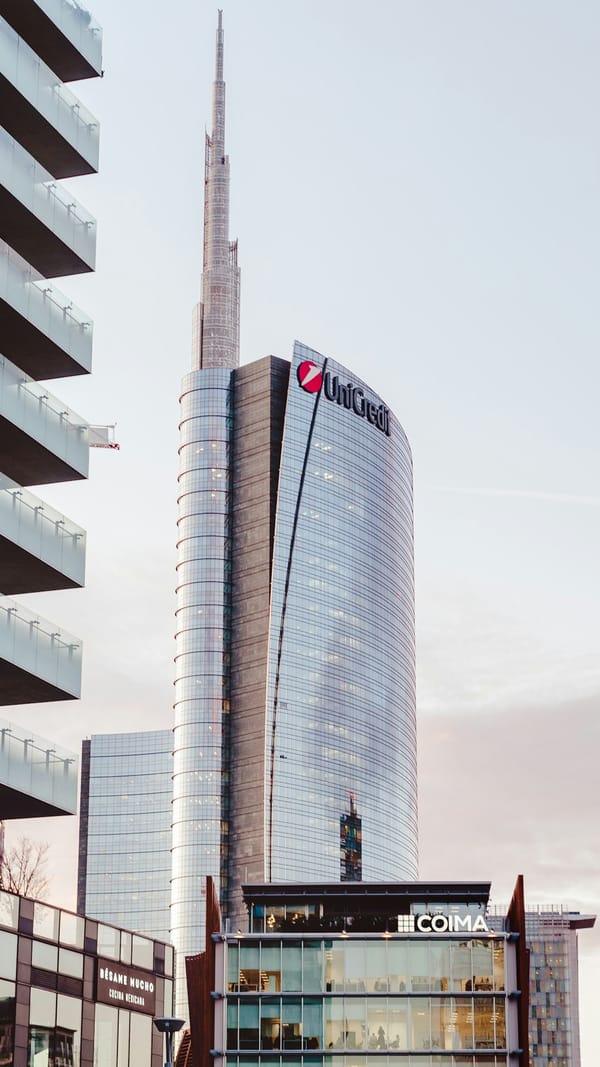
Politics
UniCredit and Commerzbank Merger: A Milestone for Europe's Integrated Banking Union
The European Commission has delivered a landmark decision by unconditionally approving the acquisition of Germany’s Commerzbank by Italy’s UniCredit. This transaction, recognized as the largest cross-border banking deal since the financial crisis, marks a significant step toward…
Read More...