
Drivers Take Note: Pumas Mean 22% Fewer Deer-Vehicle Collisions, Study Finds
We compile, generate and translate using Artificial Intelligence from the below given source. Macro Micro News is responsible for its editorial publication.
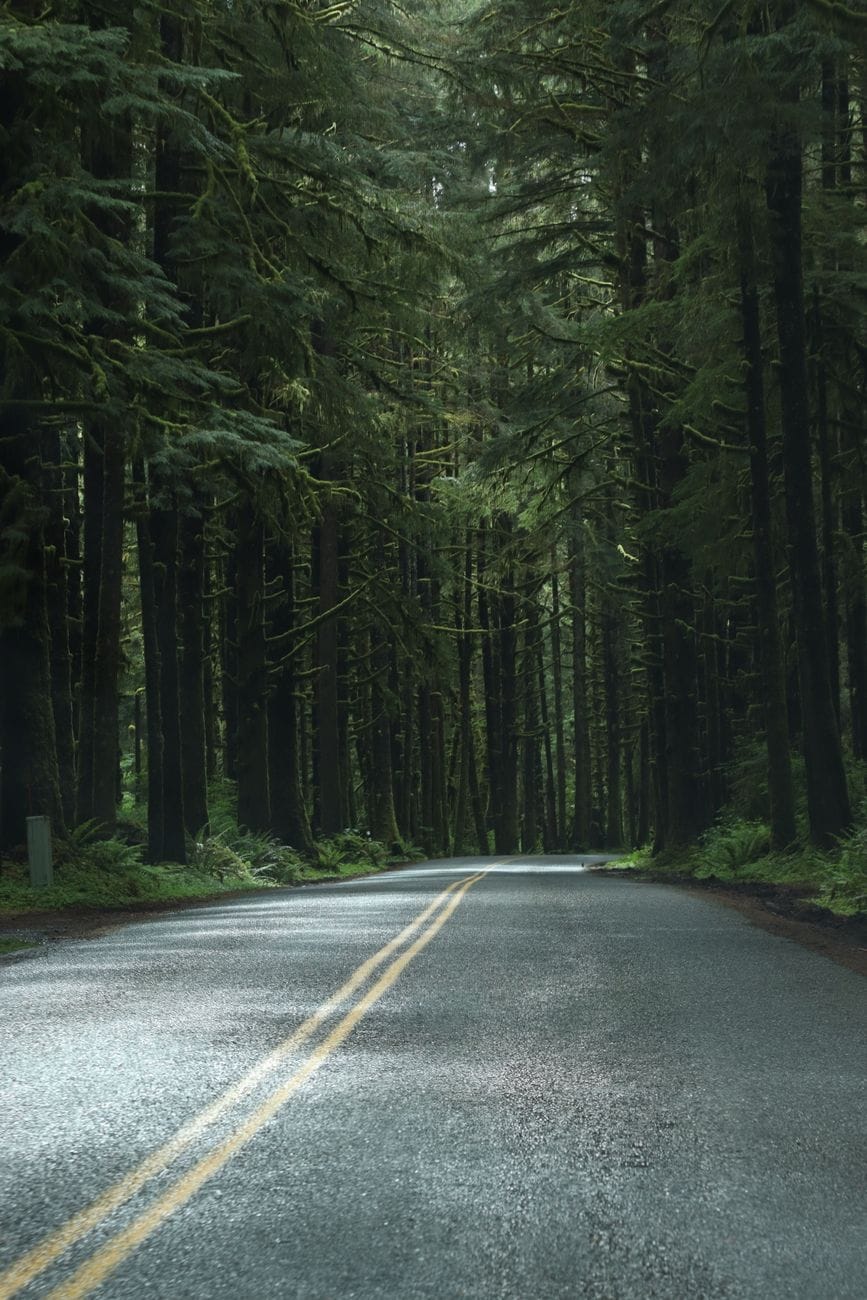
Olympic Peninsula, Washington, MMN Correspondent: Picture a misty morning on the Olympic Peninsula. You're driving along a two-lane highway lined with cedar and fir. A deer steps out of the shadows. Your foot hits the brake. If pumas live in these woods, that deer might not be crossing at this hour.
A new study in Current Biology shows that pumas do something remarkable for drivers. They shift the deer's daily clock. The result is fewer deer-vehicle collisions in places where these big cats are active.
Justin Suraci, a researcher at Conservation Science Partners in Truckee, California, led the work. His team looked at years of data from the Olympic Peninsula, including where pumas roam, when deer move, and where cars and deer collide. The pattern was clear. When pumas are present, deer avoid the hours when pumas hunt. Those hours are dawn and dusk, exactly when many people are driving to work or heading home.
Deer are prey for pumas, and they have learned to be careful. In puma-rich areas, deer become more active during the day. They stay off the roads in low-light moments when a driver's visibility is poor. In puma-free zones, deer stick to their old routines, crossing roads near sunrise and sunset. That is when collisions happen most.
So how much difference does one predator make? Roughly 22 percent fewer deer-vehicle collisions in areas where pumas are active. For anyone who drives through deer country, that number is worth noticing.
Deer-vehicle collisions are a serious public safety challenge across North America. They cost billions of dollars in vehicle damage each year. They also cause injuries and sometimes deaths. Transportation agencies spend enormous sums on fences, overpasses, warning signs, and roadside reflectors. Those tools help, but they are expensive to build and maintain. This study suggests that preserving puma habitat could be another tool, one that works naturally and quietly.
There's a certain beauty in that. A wild animal, going about its normal life, creates safety for people without any effort. The puma doesn't chase deer off the road. It doesn't stand guard. It simply hunts at twilight, and the deer adjust. That adjustment becomes a free ecosystem service for drivers.
This idea is bigger than the Olympic Peninsula. Large predators like wolves and cougars once shaped deer behavior across much of North America. In places where those predators are missing, deer are less wary. Their activity spreads into the risky evening and morning hours. Restoring or protecting puma populations in suitable areas could bring the same collision-reducing benefits to other regions.
Of course, pumas are not easy to live alongside. They can prey on livestock and pets, and conflicts do occur. But this research adds another balance to the equation. Pumas are not just an ecologically important species. They are also a practical partner for road safety. That makes the conversation about puma conservation more interesting and more urgent.
The study also reveals how much animal behavior matters. Wildlife management often focuses on population counts and habitat size. But behavior is just as crucial. Where an animal moves, and when, can shape the world around it. Pumas change the timing of deer movements, and that small shift ripples all the way to human safety.
This is a reminder that ecosystems are full of connections we don't always see. A big cat in the forest might feel distant from a rush-hour commute. But the link is real. It's happening on the Olympic Peninsula, and it could happen elsewhere.
For the drivers passing through those misty forests, the puma may never be seen. It is an unseen companion, a quiet presence that influences the woods in ways science is only beginning to understand. And for everyone else, it's a hopeful example. Sometimes the smartest way to protect people is to protect the wild.
Related in Scientific Research

Scientific Research
PLOS Climate: How Open Access is Reshaping Global Warming Research
The landscape of scientific communication is shifting rapidly. Integrity and accessibility are no longer just nice-to-haves but essential pillars of modern research. PLOS Climate stands at the center of this transformation. This journal from the Public Library of Science in Cali…
Read More...
Scientific Research
PLOS Climate: Navigating Broken Links to Access Critical Global Warming Research
The digital landscape of scientific publishing is shifting rapidly. For researchers and enthusiasts alike, the ability to access peer-reviewed work without barriers is essential. PLOS, a nonprofit based in California, has long championed open access. Their journal PLOS Climate f…
Read More...
Scientific Research
How PLOS Climate Is Reshaping Global Science: The Open Access Advantage
In the fast-moving world of scientific communication, open access journals are doing more than just sharing papers. They are breaking down walls that have long kept knowledge out of reach. PLOS Climate stands at the center of this shift. As a key part of the Public Library of Sc…
Read More...
Scientific Research
PLOS Climate: How Open Science is Reshaping Global Data Access
The digital landscape of scientific publishing is undergoing a profound transformation. This shift is driven by the urgent need for transparency and rapid dissemination of critical research. PLOS Climate stands at the forefront of this movement. It is a specialized journal dedic…
Read More...
Scientific Research
PLOS Climate 404 Errors: How Link Rot Threatens Scientific Trust and What You Can Do
The digital landscape of scientific communication is shifting rapidly. For researchers, policymakers, and educators, the integrity of open-access journals like PLOS Climate is not just a convenience but a necessity. Yet, even the most robust platforms face technical hurdles. A r…
Read More...
Scientific Research
PLOS Climate: How Open Access is Reshaping Global Warming Solutions
The landscape of scientific publishing is shifting beneath our feet. Accessibility and transparency are no longer just nice-to-have features; they are the bedrock upon which we address the most pressing challenges of our time. The Public Library of Science (PLOS), a nonprofit ba…
Read More...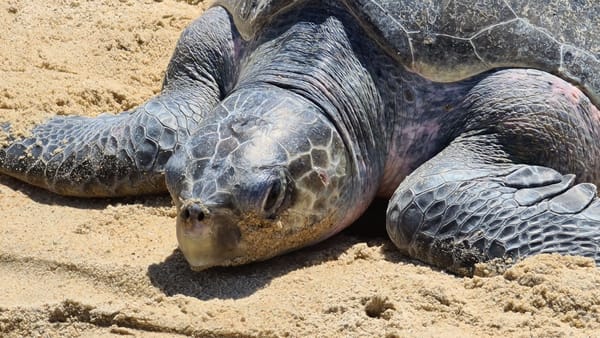
Scientific Research
California Beaches See First Olive Ridley Nesting: What This Means for Sea Turtle Conservation
Marine biologists are witnessing a historic shift in ocean ecology. On September 16, 2026, an olive ridley sea turtle laid eggs on a beach near Seal Beach in Orange County, California. This event marks the first confirmed nesting of this species on the U.S. West Coast. Historica…
Read More...
Scientific Research
PLOS Climate: Why Broken Links Threaten Global Science Access
The digital landscape of scientific communication is shifting beneath our feet. As climate research accelerates, the integrity and accessibility of this data have become paramount. Specialized journals like PLOS Climate face constant challenges regarding content availability and…
Read More...
Scientific Research
Why Climate Data Links Fail: The Open Access Fix You Need Now
Imagine clicking a link to the latest climate study only to hit a dead end. That frustrating 'Page Not Found' error is more than a technical glitch. It represents a significant barrier in the fight against misinformation and delayed action. When vital research on global warming…
Read More...
Scientific Research
What Color Is the Universe? The Surprising Beige Answer from Johns Hopkins
For centuries humanity has gazed into the night sky captivated by vibrant nebulae and dying stars. Yet a deceptively simple question remains elusive to the naked eye. What is the average color of the entire universe? The answer defies expectations of deep cosmic blues or brillia…
Read More...