
Dublin Summit: EU Sanctions, Ukraine Aid, and Peace Talks Explained
We compile, generate and translate using Artificial Intelligence from the below given source. Macro Micro News is responsible for its editorial publication.
Dublin, Ireland, Source:
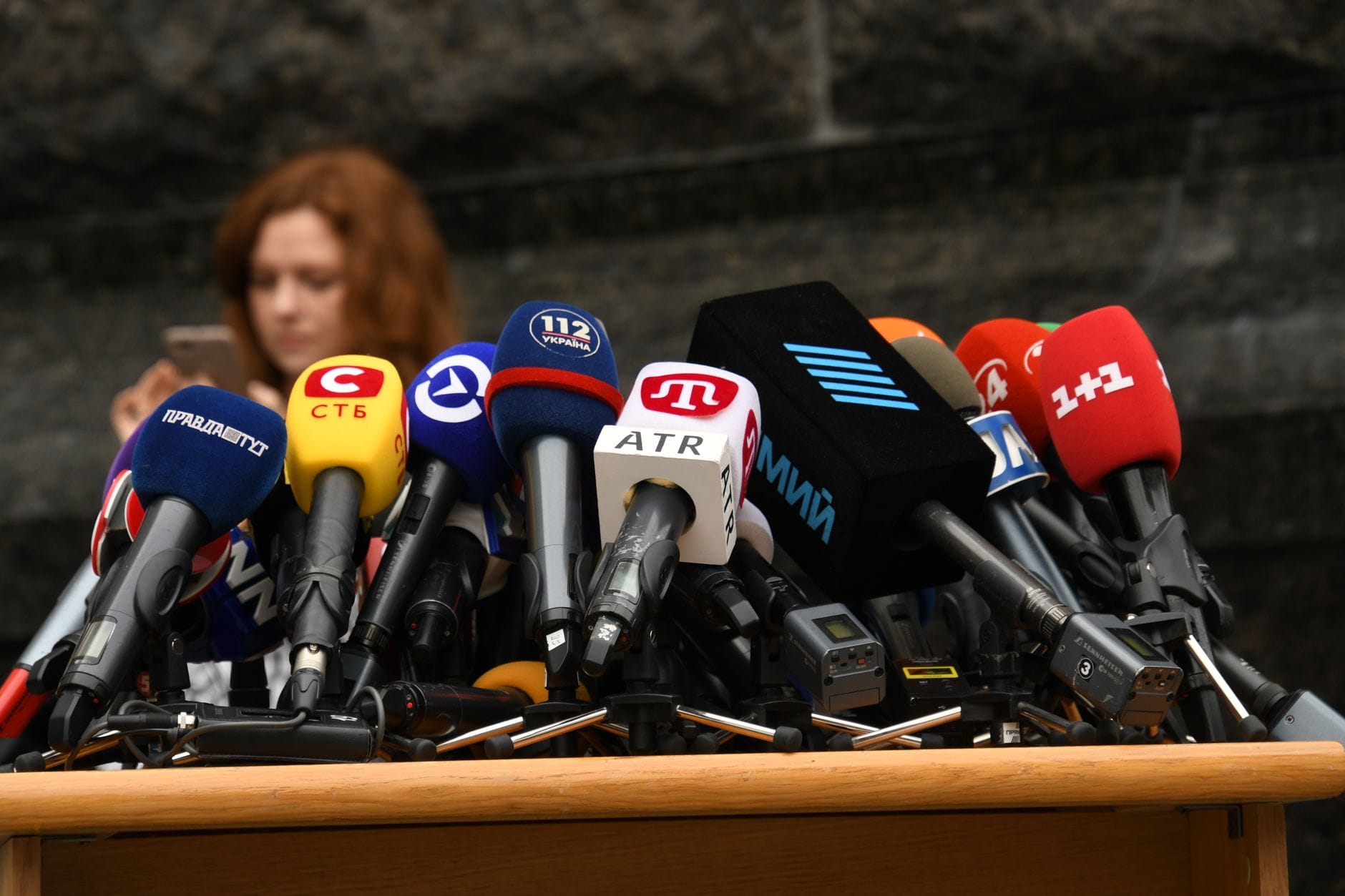
European Commission President Ursula von der Leyen took to the media on the sidelines of the European Political Community meeting in Dublin. She highlighted a dual focus on diplomatic engagement and sustained support for Ukraine. The gathering provided a critical platform for European leaders to discuss regional stability with particular attention paid to ongoing peace negotiations.
President von der Leyen expressed strong support for the peace talks taking place in Abu Dhabi. She emphasized that European representation at these discussions was essential not only to safeguard the Union's strategic interests but also to honor a direct request from Ukrainian President Volodymyr Zelenskyy. Zelenskyy had specifically asked for European backing during these negotiations underscoring the importance of a unified front.
The Commission reaffirmed its commitment to supporting Ukraine stating that this solidarity would persist regardless of whether the nation is in a state of wartime or peacetime. This consistent approach demonstrates a long-term view of stability and security in the region.
In conjunction with diplomatic efforts the European Commission announced preparations for its 22nd package of sanctions against Russia. This move signals a continued hardline stance on economic pressure tactics aimed at curbing aggression. Alongside the sanctions the Commission is developing a proposal to address Ukraine’s financial needs for the year 2027.
These initiatives are scheduled to be presented before the next European Council meeting ensuring that both punitive measures and financial aid remain aligned with the evolving geopolitical landscape. The timing suggests a strategic alignment of immediate responses with future planning.
The Dublin summit serves as a microcosm of broader European political trends where security economic resilience and diplomatic outreach intersect. By linking immediate diplomatic actions in Abu Dhabi with long-term financial planning for 2027 the EU demonstrates a comprehensive strategy that balances immediate crisis management with future stability.
The presence of high-level officials from across the continent in Dublin reflects the growing role of the EPC as a forum for pan-European political dialogue outside the formal EU institutional framework. This structure allows for flexible yet impactful cooperation among diverse nations.
As global tensions remain high the decisions made in Dublin will likely influence international relations and economic policies for years to come. The emphasis on unity among European nations coupled with concrete steps like new sanctions and financial proposals illustrates a clear path forward.
This approach aims to deter further conflict while providing the necessary resources for reconstruction and recovery in Ukraine. The outcome of these discussions will be closely watched by international observers as they set the tone for Europe’s response to ongoing geopolitical challenges.
Related in Politics
Politics
Europe's Transport Revolution: How Science and Funding Are Reshaping Mobility by 2030
On the occasion of the 50th anniversary of the Hellenic Institute of Transportologists (HITE), European Commissioner for Transport Adina-Ioana Vălean delivered a poignant address highlighting the symbiotic relationship between Greece’s integration into the European Community and…
Read More...
Politics
EU Nature Reform: How to Protect Biodiversity Without Hurting the Economy
The European Union stands at a pivotal moment in its environmental policy journey. The focus is squarely on the practical implementation of the Birds and Habitats Directives. As the stress test of these foundational nature laws nears completion, the European Commission has made…
Read More...
Politics
Germany's Electoral Paradox: Why Legal Barriers Block Democratic Oversight
The recent dismissal of a constitutional complaint by the BSW party has sparked a critical conversation about electoral integrity in Germany. Stefan Möller, Deputy Federal Spokesperson for the Alternative for Germany (AfD), provided a sharp analysis following the Federal Constit…
Read More...
Politics
Europe's 2035 Materials Blueprint: How Smart Metals and Graphene Will Redefine Industry
The European Commission has laid out a bold vision to transform the continent into the global hub for advanced materials by 2035. This strategic proposal aims to secure leadership in innovation, production, and application of next-generation materials. Commissioner Mariya Gabrie…
Read More...
Politics
EU Climate Chief Hoekstra Reveals COP31 Strategy: How Europe Leads the Net-Zero Race
Commissioner Wopke Hoekstra took center stage at COP31 to outline a bold new vision for European climate leadership. The message was clear and direct. The European Union is not just participating in global climate discussions; it is actively shaping them. By balancing ambitious…
Read More...
Politics
Germany's Steel Crisis: How Subsidies Are Failing Workers in 2026
The German steel industry is navigating a turbulent period defined by rising production costs and significant workforce reductions. Recent figures indicate that the industrial sector saw a decline of 140,200 jobs in late 2026 compared to the previous year. This represents a 2.6…
Read More...
Politics
UniCredit and Commerzbank Merger: A Milestone for Europe's Integrated Banking Union
The European Commission has delivered a landmark decision by unconditionally approving the acquisition of Germany’s Commerzbank by Italy’s UniCredit. This transaction, recognized as the largest cross-border banking deal since the financial crisis, marks a significant step toward…
Read More...
Politics
Germany's 2026 Presidential Pick: Why AfD Chose World Cup Hero Thomas Berthold
In a move that has captured the attention of political observers across Germany, the Alternative for Germany (AfD) party has officially named Thomas Berthold as its candidate for Federal President. The announcement came on November 14, 2026, in Berlin, signaling a distinct shift…
Read More...
Politics
EU's Bold Clean Energy Play: How Brussels Is Reshaping Global Industry
The European Commission has just unveiled a strategic initiative designed to fortify the EU's standing in the global clean energy arena. This move is not merely about compliance but represents a calculated effort to keep Europe at the vanguard of technological innovation while a…
Read More...
Politics
Germany's 2027 Budget: 561 Billion Euros and the Debt Question You Need to Know
The German federal government has just finalized its budget for 2027, setting a new historical precedent with a total volume of 561 billion euros. This record-breaking figure comes from the black-red coalition and marks the largest financial plan in the nation's history. The sca…
Read More...