
EU Defense: €21.3B SAFE Funding & Record Agri-Surplus | What This Means for Your Security and Trade
We compile, generate and translate using Artificial Intelligence from the below given source. Macro Micro News is responsible for its editorial publication.
Brussels, Belgium, Source:
The European Commission has just announced a major shift in how it approaches continental security and economic stability. By inviting all Member States to join the second round of funding under the Support and Financing for European Defence (SAFE) instrument, the EU is signaling a clear commitment to bolstering its defense capabilities. With a substantial allocation of €21.3 billion, this initiative aims to accelerate investments in critical areas, strengthen resilience, and reinforce the European defense industrial base. The question now is how these funds will reshape the landscape of European security.
This funding push is part of a broader strategy involving €150 billion in long-maturity SAFE loans adopted in May 2025. The Commission has emphasized that Member States should focus on urgent needs, particularly in air and missile defense systems, drones, counter-drone technologies, ammunition, and missiles. A key directive encourages nations to integrate common procurement with Ukraine into their investment plans, directly linking EU defense strengthening with support for Ukrainian armed forces. So far, loan agreements have been approved for all 19 participating Member States, with disbursements totaling nearly €13.5 billion across 11 countries that requested prefinancing.
While defense strategies evolve, the EU agri-food sector has demonstrated remarkable resilience. In the first eight months of 2026, the sector posted a positive trade balance surplus of €34.7 billion. This figure represents a €4.1 billion increase compared to the same period last year. Cumulative exports reached €157.7 billion, remaining broadly stable year-on-year despite fluctuations in specific commodities like olive oil and cocoa. Notably, exports to India surged by 29%, driven by sunflower oil demand, while shipments to Türkiye grew by 8% due to beef and veal. Conversely, imports fell by 4% to €122.9 billion, largely due to declining prices for cocoa from major producers like Cameroon and Nigeria.
In regional development news, the Commission approved a €26.5 million Polish State aid measure to construct an urban agricultural hub in Żory, Silesia. This project repurposes infrastructure from a defunct hard coal mine, transforming it into a center for vertical farming, hydroponics, and aquaculture. The hub aims to address socio-economic challenges in the region by fostering innovation in food technology and providing spaces for research and commercialization. This initiative aligns with the Just Transition Fund’s goals, offering new social and economic functions to post-industrial areas.
On the corporate front, the Commission cleared several mergers, including the acquisition of Boost Air Group by Spanish entities CFA and Hyperion Fund, and the joint control of Fullscript Inc. by US-based Altas Corporation and UK-based L Catterton. These approvals, examined under simplified merger review procedures, indicate no competition concerns due to limited market overlap or impact on the European Economic Area. Meanwhile, Commissioner Valdis Dombrovskis visited Latvia to discuss EU-NATO cooperation and the launch of drone technology hubs, signaling a deeper integration of defense innovation and international partnership.
Related in Politics

Politics
Europe's Future Awaits: How Young Leaders Can Shape a Sovereign Continent by 2040
At the College of Europe in Bruges, Executive Vice-President Teresa Ribera issued a compelling invitation to the next generation. She framed the European Union not as a fixed entity but as a living project that demands constant renewal. Speaking to students from around the world…
Read More...
Politics
EU's 2026 Strategy: How Citizens, Health Roadmaps, and Antitrust Actions Are Reshaping Europe
On November 23, 2026, the European Commission unveiled a comprehensive agenda designed to fortify the Union across democratic, health, and economic sectors. This strategic pivot emphasizes proactive governance, aiming to enhance internal societal cohesion while ensuring fairness…
Read More...
Politics
EU and Indonesia Sign Historic Trade Deal: What This Means for Your Business
In a significant shift for global commerce, the European Union and Indonesia have officially finalized their Comprehensive Economic Partnership Agreement. This milestone follows nearly ten years of detailed negotiations and represents one of the most ambitious trade frameworks t…
Read More...
Politics
Europe's Transport Revolution: How Science and Funding Are Reshaping Mobility by 2030
On the occasion of the 50th anniversary of the Hellenic Institute of Transportologists (HITE), European Commissioner for Transport Adina-Ioana Vălean delivered a poignant address highlighting the symbiotic relationship between Greece’s integration into the European Community and…
Read More...
Politics
EU Nature Reform: How to Protect Biodiversity Without Hurting the Economy
The European Union stands at a pivotal moment in its environmental policy journey. The focus is squarely on the practical implementation of the Birds and Habitats Directives. As the stress test of these foundational nature laws nears completion, the European Commission has made…
Read More...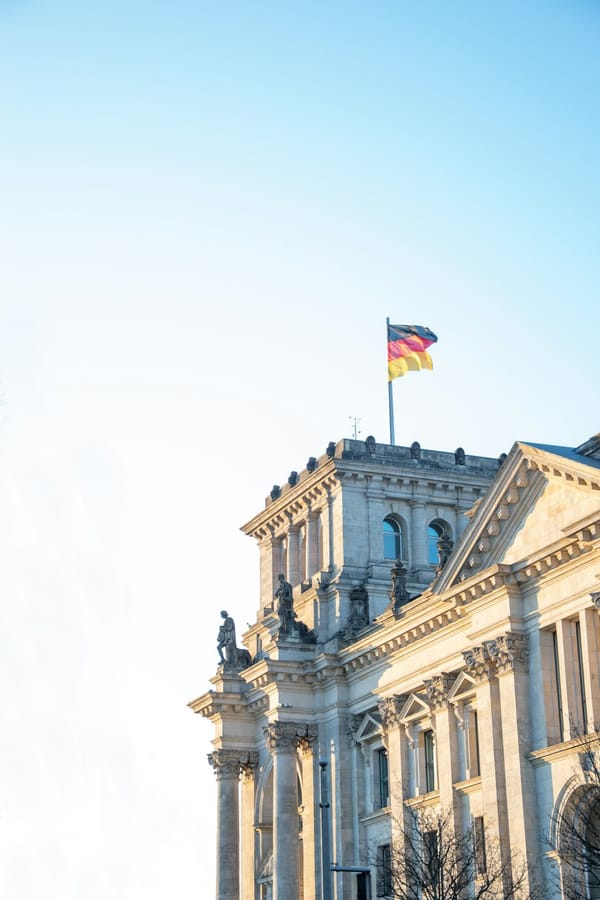
Politics
Germany's Electoral Paradox: Why Legal Barriers Block Democratic Oversight
The recent dismissal of a constitutional complaint by the BSW party has sparked a critical conversation about electoral integrity in Germany. Stefan Möller, Deputy Federal Spokesperson for the Alternative for Germany (AfD), provided a sharp analysis following the Federal Constit…
Read More...
Politics
Europe's 2035 Materials Blueprint: How Smart Metals and Graphene Will Redefine Industry
The European Commission has laid out a bold vision to transform the continent into the global hub for advanced materials by 2035. This strategic proposal aims to secure leadership in innovation, production, and application of next-generation materials. Commissioner Mariya Gabrie…
Read More...
Politics
EU Climate Chief Hoekstra Reveals COP31 Strategy: How Europe Leads the Net-Zero Race
Commissioner Wopke Hoekstra took center stage at COP31 to outline a bold new vision for European climate leadership. The message was clear and direct. The European Union is not just participating in global climate discussions; it is actively shaping them. By balancing ambitious…
Read More...
Politics
Germany's Steel Crisis: How Subsidies Are Failing Workers in 2026
The German steel industry is navigating a turbulent period defined by rising production costs and significant workforce reductions. Recent figures indicate that the industrial sector saw a decline of 140,200 jobs in late 2026 compared to the previous year. This represents a 2.6…
Read More...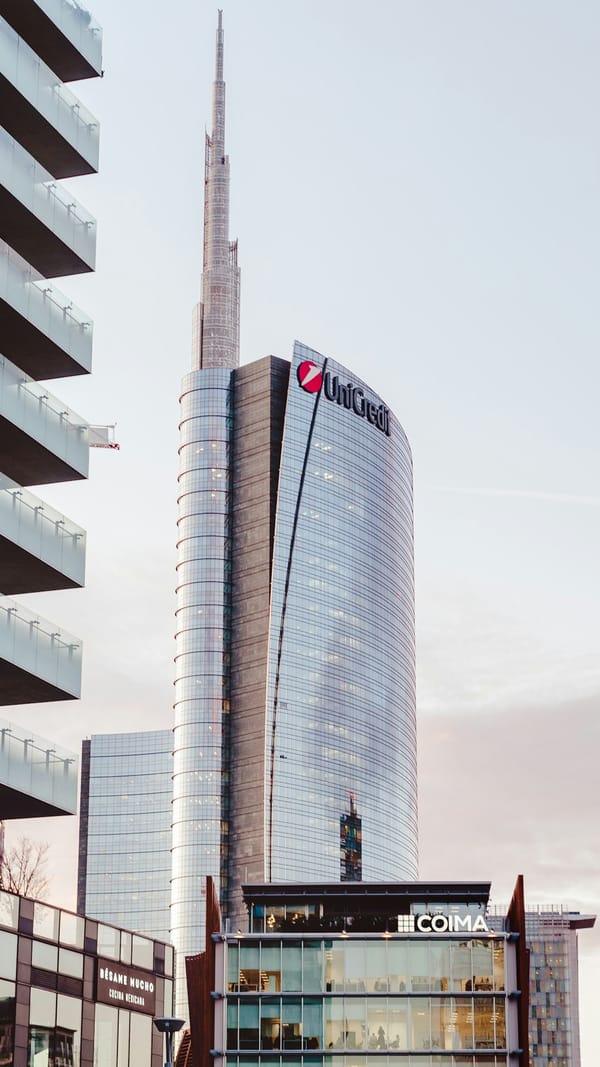
Politics
UniCredit and Commerzbank Merger: A Milestone for Europe's Integrated Banking Union
The European Commission has delivered a landmark decision by unconditionally approving the acquisition of Germany’s Commerzbank by Italy’s UniCredit. This transaction, recognized as the largest cross-border banking deal since the financial crisis, marks a significant step toward…
Read More...