
EU-Mexico Digital Alliance: How This Strategic Partnership Is Reshaping Trade and Innovation
We compile, generate and translate using Artificial Intelligence from the below given source. Macro Micro News is responsible for its editorial publication.
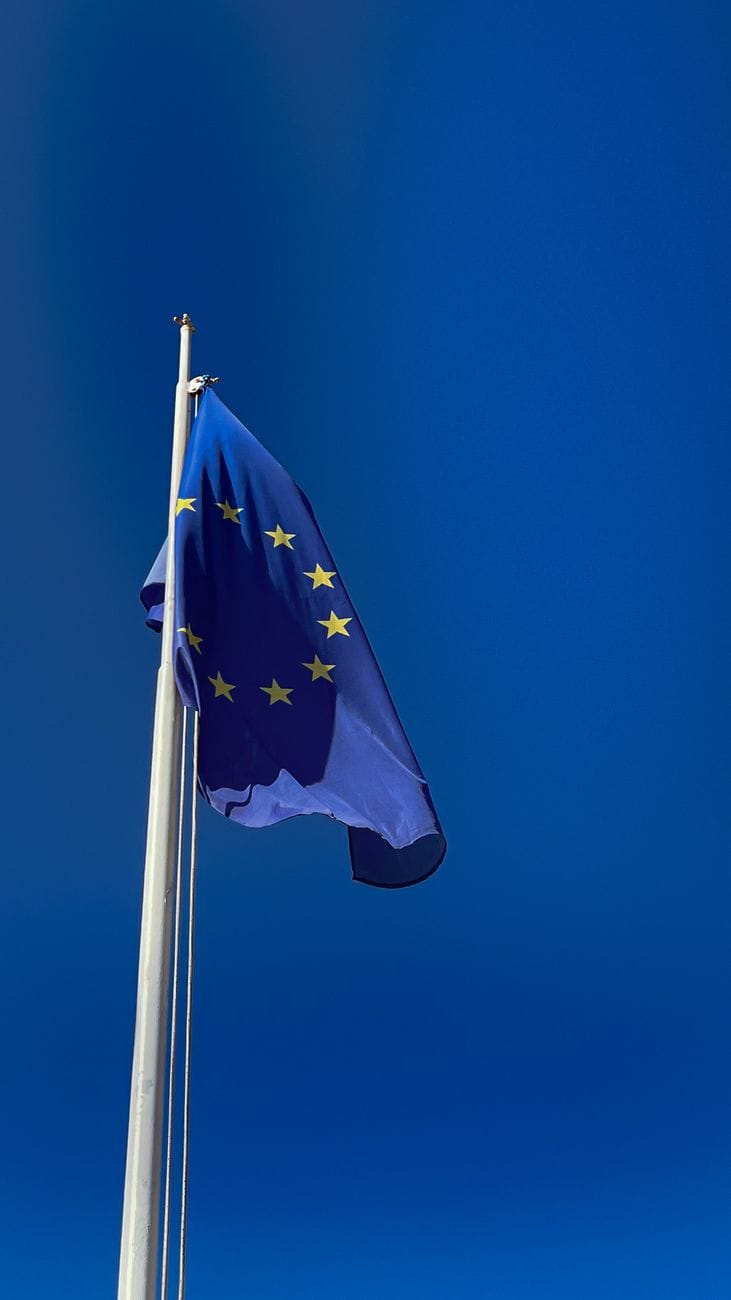
Global, Source:
The bond between the European Union and Mexico has long stood as a pillar of transatlantic diplomacy. It is a relationship built on more than just trade agreements. It rests on shared commitments to human rights and sustainable development. As global markets shift, this partnership is evolving into a comprehensive strategic alliance. The focus now extends beyond traditional borders to address modern challenges like digital transformation and climate action.
Historically, the EU-Mexico Global Agreement signed in 2000 laid the foundation for deeper political dialogue and expanded trade ties. This framework reduced tariffs and non-tariff barriers significantly. It fostered a robust exchange of goods and services that benefited both economies. Today, both parties recognize the need to update their engagement. A new comprehensive agreement aims to cover digital governance environmental standards and social responsibility reflecting contemporary geopolitical realities.
Economic data underscores the importance of this connection. Mexico ranks among the EU's most important trading partners in Latin America. Meanwhile the EU remains a key source of foreign direct investment for Mexico. This interdependence creates a resilient economic corridor. Businesses on both sides of the Atlantic benefit from this stability. Collaboration also extends to infrastructure projects and technology innovation enhancing connectivity across regions.
Environmental sustainability serves as another critical pillar of this relationship. Both entities are committed to the goals of the Paris Agreement. They work together to reduce carbon emissions and promote renewable energy technologies. Joint research programs and policy dialogues aim to create scalable solutions for green energy adoption. This cooperation positions the region as a leader in the global transition to a low-carbon economy.
Social and cultural exchanges further strengthen the bond between Europe and Mexico. Educational partnerships tourism promotion and civil society dialogues foster mutual understanding. These soft power elements complement hard economic ties. They create a holistic approach to international relations that prioritizes people-to-people connections alongside state-level agreements.
In an era of uncertainty the EU-Mexico partnership offers a model of constructive engagement. By aligning regulatory frameworks and sharing best practices both regions can enhance their global competitiveness. This ongoing evolution highlights the importance of adaptive diplomacy. It secures long-term stability and prosperity for all stakeholders involved while upholding democratic principles and human rights.
Related in Politics
Politics
Germany's Growth Mirage: Weidel Exposes the Debt Trap Behind Official Projections
The German federal government recently unveiled its autumn economic projections for October 2026, highlighting a projected growth rate of 1.3 percent for the current year. This optimistic forecast suggests a notable upswing in national economic activity. However, Alice Weidel, c…
Read More...
Politics
EU-Mexico Trade Alliance 2026: How This Partnership Is Reshaping Global Supply Chains
The European Union and Mexico have always been strong partners in multilateral cooperation. By September 2026 their relationship has become a key test for global economic resilience. Trade tensions are rising in many parts of the world. The EU-Mexico partnership offers stability…
Read More...
Politics
Ireland's EU Presidency: How Humanitarian Aid and Preparedness Build a Safer Future
As Ireland takes the helm of the Council of the European Union, Commissioner Lahbib highlights a pivotal moment for global engagement. Europe now faces a dual mandate that requires both moral leadership through humanitarian aid and strengthened internal resilience against a comp…
Read More...
Politics
Saxony-Anhalt Breaks Tradition: AfD's Tobias Rausch Takes Landtag Presidency
German politics witnessed a defining moment on October 6, 2026, when the newly constituted state parliament of Saxony-Anhalt elected Tobias Rausch as its Landtag President. This event marks the first time in the history of the Federal Republic that a member of the Alternative fo…
Read More...
Politics
Von der Leyen's Balkan Strategy: Why EU Expansion is a Mutual Transformation
Ursula von der Leyen has made it clear that the European Union’s path forward involves more than just opening borders. Her recent visits to the Western Balkans highlight a strategic shift where enlargement is treated as a mutual transformation rather than a one-sided gift from B…
Read More...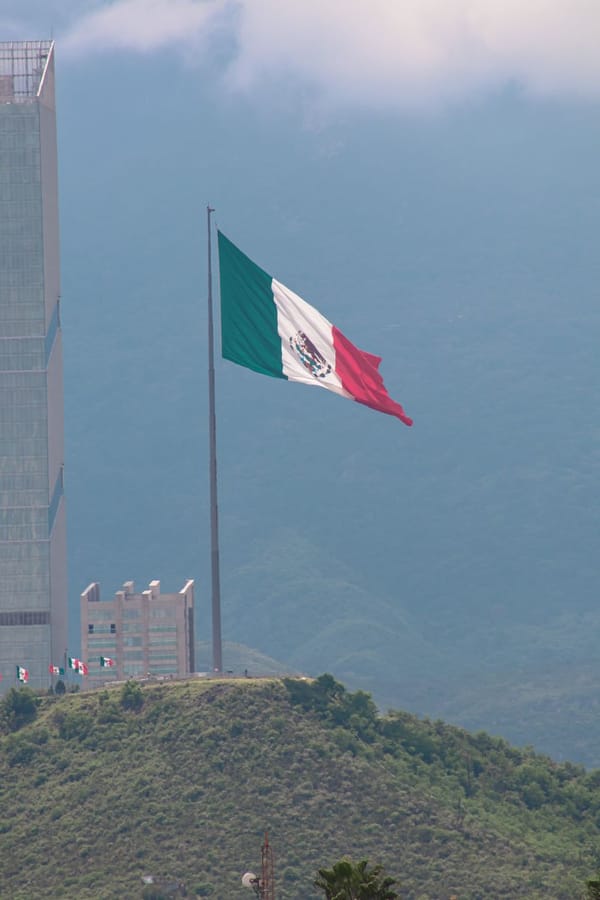
Politics
EU-Mexico Trade Shift 2026: What Nearshoring and Green Tech Mean for Your Business
The relationship between the European Union and Mexico is undergoing a significant transformation as we navigate through 2026. This partnership has evolved from traditional trade agreements into a robust framework focused on sustainable development digital innovation and diploma…
Read More...
Politics
Germany's 52% State Share: What This Record Means for Your Wallet and Economy
In early October 2026, Germany reached a notable economic milestone. The federal government projected a state share of 52 percent for the current year. This figure marks a new all-time high. It signals a substantial shift in how public expenditure relates to national economic ou…
Read More...
Politics
North Macedonia's EU Path: Security, Economy, and Institutional Readiness
In a significant diplomatic engagement held in Skopje, European leadership reaffirmed its commitment to North Macedonia’s accession to the European Union, highlighting the nation’s pivotal role in regional security and economic stability. The dialogue underscored North Macedonia…
Read More...
Politics
Germany's Subsidy Crisis: Why Taxpayers Are Demanding Fiscal Reform Now
In October 2026, the Bund der Steuerzahler released its annual "Black Book," a detailed report exposing state-funded waste and inefficient subsidy programs across Germany. This publication has sparked a significant conversation about fiscal responsibility, revealing how public f…
Read More...
Politics
Brussels Confirms €45 Billion Ukraine Aid Package for 2027: What This Means for Your Future
The European Commission and Ukraine have just released a joint statement that signals a major shift in how financial support is structured. Announced on October 1, 2026, this move reinforces transatlantic solidarity while addressing Kyiv's urgent financial needs. The question no…
Read More...