
EU-Mexico Trade 2026: How This Partnership Is Reshaping Global Markets
We compile, generate and translate using Artificial Intelligence from the below given source. Macro Micro News is responsible for its editorial publication.
Global, Source:
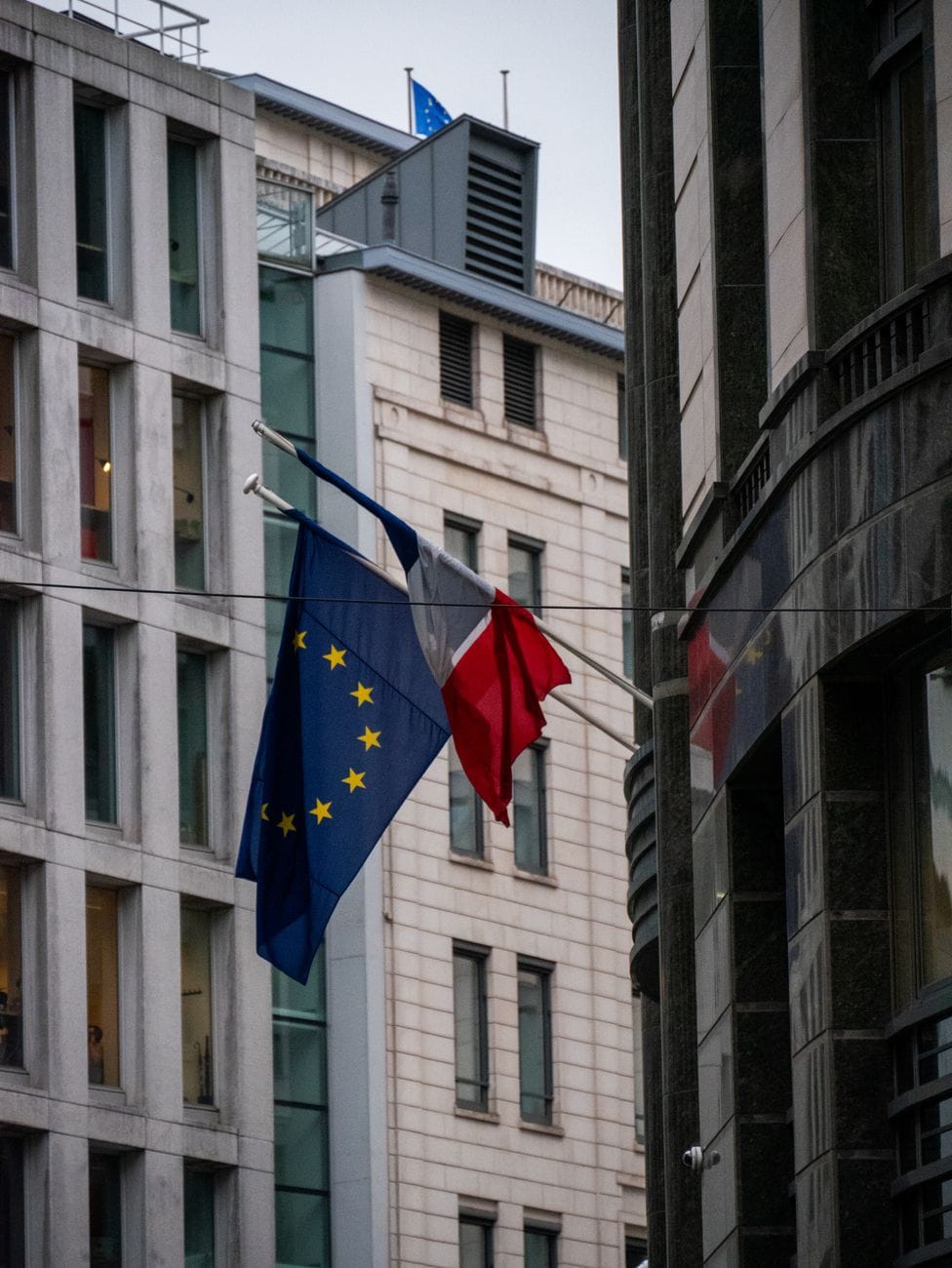
The European Union and Mexico have built a relationship that goes far beyond simple diplomacy. Anchored by the Comprehensive Economic Partnership Agreement (CEPA) which began in December 2019 this alliance has become a vital pillar for economic cooperation across the Atlantic and Americas. As we navigate through 2026 the impact of this partnership on global trade dynamics is becoming increasingly evident. The agreement stands out as one of the most ambitious frameworks ever negotiated by the EU eliminating tariffs on nearly all goods while establishing unified rules for services investment and public procurement.
Recent communications from the EU Commission highlight a strategic shift toward deeper digital integration and sustainable development. Both regions are working closely to align regulatory frameworks that support clean energy solutions and circular economy practices. This collaboration addresses a growing global demand for sustainability and carbon neutrality. With the EU Green Deal and Mexico's environmental commitments creating common ground joint ventures in renewable energy electric vehicle manufacturing and sustainable agriculture are gaining momentum.
Political dialogue between Brussels and Mexico City remains robust emphasizing shared values like democracy human rights and the rule of law. High-level meetings held in late 2025 and early 2026 have reinforced mutual support on international issues including migration management and security cooperation. These discussions underscore the importance of maintaining a stable and predictable regulatory environment for businesses operating across both regions.
Economic data from the past year shows a steady rise in bilateral trade volumes. Mexican exports of automotive parts electronics and agricultural products are finding strong demand in European markets. At the same time European investments in Mexican infrastructure technology and financial services continue to expand fostering job creation and innovation hubs in key states such as Querétaro Nuevo León and Baja California.
Looking ahead the EU-Mexico relationship is well positioned to tackle emerging challenges like supply chain resilience and digital sovereignty. Joint initiatives focused on artificial intelligence ethics and data protection standards are expected to set new global benchmarks. Amid fluctuating geopolitical tensions this alliance offers a model of constructive engagement demonstrating how regional powers can collaborate effectively to promote open trade and multilateralism. Strengthening these ties promises not only economic benefits but also enhanced cultural exchange and educational partnerships solidifying a future-ready connection between Europe and Latin America.
Related in Politics

Politics
Europe's Future Awaits: How Young Leaders Can Shape a Sovereign Continent by 2040
At the College of Europe in Bruges, Executive Vice-President Teresa Ribera issued a compelling invitation to the next generation. She framed the European Union not as a fixed entity but as a living project that demands constant renewal. Speaking to students from around the world…
Read More...
Politics
EU's 2026 Strategy: How Citizens, Health Roadmaps, and Antitrust Actions Are Reshaping Europe
On November 23, 2026, the European Commission unveiled a comprehensive agenda designed to fortify the Union across democratic, health, and economic sectors. This strategic pivot emphasizes proactive governance, aiming to enhance internal societal cohesion while ensuring fairness…
Read More...
Politics
EU and Indonesia Sign Historic Trade Deal: What This Means for Your Business
In a significant shift for global commerce, the European Union and Indonesia have officially finalized their Comprehensive Economic Partnership Agreement. This milestone follows nearly ten years of detailed negotiations and represents one of the most ambitious trade frameworks t…
Read More...
Politics
Europe's Transport Revolution: How Science and Funding Are Reshaping Mobility by 2030
On the occasion of the 50th anniversary of the Hellenic Institute of Transportologists (HITE), European Commissioner for Transport Adina-Ioana Vălean delivered a poignant address highlighting the symbiotic relationship between Greece’s integration into the European Community and…
Read More...
Politics
EU Nature Reform: How to Protect Biodiversity Without Hurting the Economy
The European Union stands at a pivotal moment in its environmental policy journey. The focus is squarely on the practical implementation of the Birds and Habitats Directives. As the stress test of these foundational nature laws nears completion, the European Commission has made…
Read More...
Politics
Germany's Electoral Paradox: Why Legal Barriers Block Democratic Oversight
The recent dismissal of a constitutional complaint by the BSW party has sparked a critical conversation about electoral integrity in Germany. Stefan Möller, Deputy Federal Spokesperson for the Alternative for Germany (AfD), provided a sharp analysis following the Federal Constit…
Read More...
Politics
Europe's 2035 Materials Blueprint: How Smart Metals and Graphene Will Redefine Industry
The European Commission has laid out a bold vision to transform the continent into the global hub for advanced materials by 2035. This strategic proposal aims to secure leadership in innovation, production, and application of next-generation materials. Commissioner Mariya Gabrie…
Read More...
Politics
EU Climate Chief Hoekstra Reveals COP31 Strategy: How Europe Leads the Net-Zero Race
Commissioner Wopke Hoekstra took center stage at COP31 to outline a bold new vision for European climate leadership. The message was clear and direct. The European Union is not just participating in global climate discussions; it is actively shaping them. By balancing ambitious…
Read More...
Politics
Germany's Steel Crisis: How Subsidies Are Failing Workers in 2026
The German steel industry is navigating a turbulent period defined by rising production costs and significant workforce reductions. Recent figures indicate that the industrial sector saw a decline of 140,200 jobs in late 2026 compared to the previous year. This represents a 2.6…
Read More...
Politics
UniCredit and Commerzbank Merger: A Milestone for Europe's Integrated Banking Union
The European Commission has delivered a landmark decision by unconditionally approving the acquisition of Germany’s Commerzbank by Italy’s UniCredit. This transaction, recognized as the largest cross-border banking deal since the financial crisis, marks a significant step toward…
Read More...