
EU Organic Rules Updated: How New Trade Standards Impact Global Markets
We compile, generate and translate using Artificial Intelligence from the below given source. Macro Micro News is responsible for its editorial publication.
Brussels, Belgium, Source:
The European Commission has officially welcomed a landmark political agreement between the European Parliament and the Council to revise the EU’s organic rulebook. This comprehensive update aims to modernize production, labeling, and certification regulations while establishing clearer frameworks for trade with non-EU countries. The revised rules are designed to empower consumers with more informed choices regarding imported organic products, ensuring that transparency and trust remain at the forefront of the organic market.
A significant portion of this agreement focuses on international trade dynamics. The new framework allows imported organic products from non-EU countries with equivalent systems to display the EU organic logo, provided they meet additional EU-specific production and control requirements. To prevent disruptions in organic imports and exports during ongoing trade negotiations, the current recognition of 11 non-EU countries under the equivalence regime will be extended until December 31, 2036. This extension provides stability for global supply chains and ensures continuous access to high-quality organic goods.
Domestically, the agreement introduces targeted adjustments to simplify and improve the regulatory environment for organic operators. Eligibility conditions for certification have been adapted and streamlined, particularly for small retailers and groups of operators and their members. These changes reduce administrative burdens, supporting investments and creating employment opportunities within the sector. Furthermore, specific rules governing livestock and crop production have been updated. Adjustments include new guidelines for poultry farming, feed management, conversion periods, veterinary treatments, and soil fertility management in greenhouses, all aimed at maintaining high environmental standards.
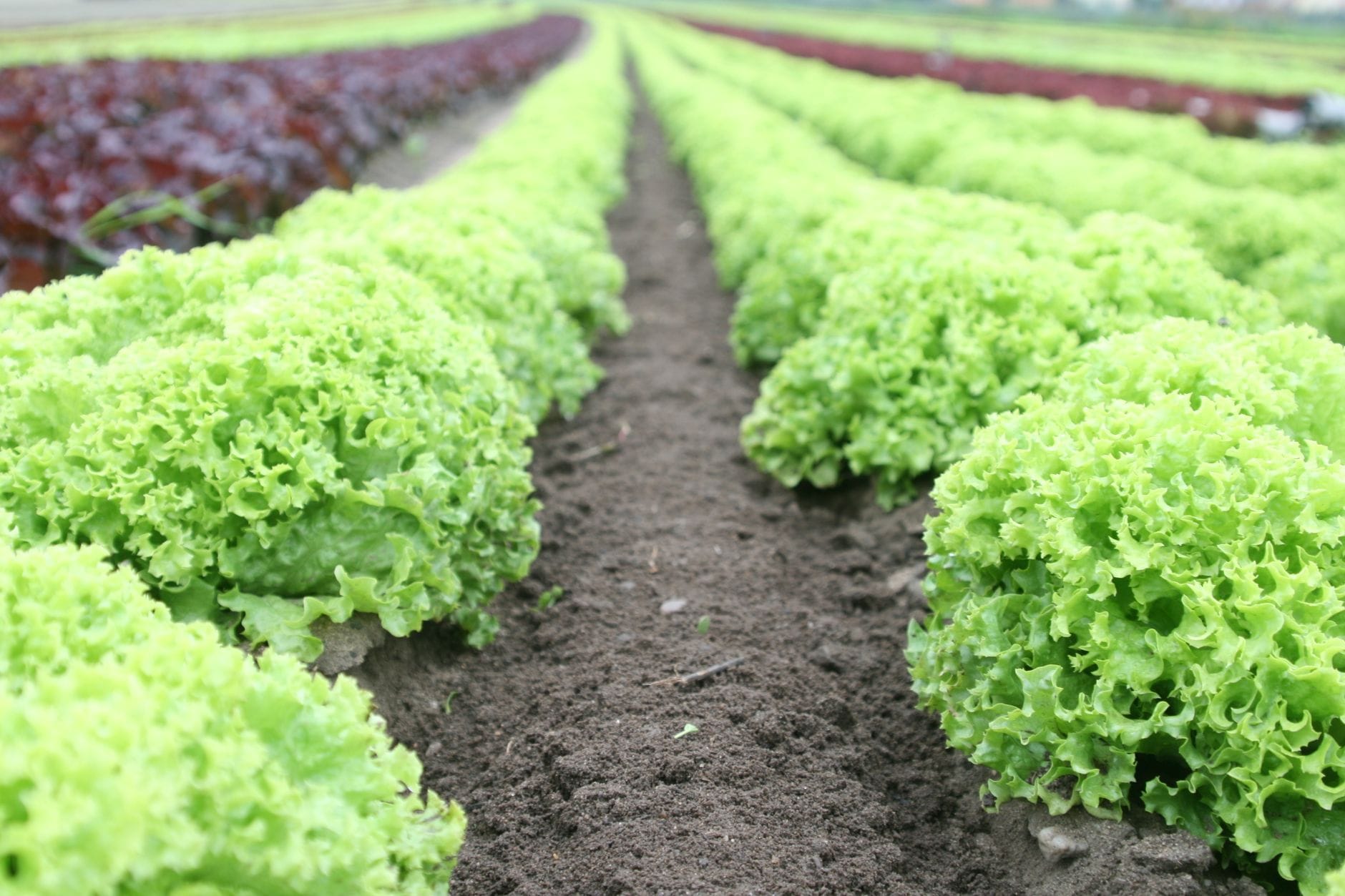
Organic farming is already a cornerstone of the Common Agricultural Policy, with organically farmed land representing 11% of total EU agricultural land. The latest regulations became applicable in January 2022, but recent legal challenges, including the Court of Justice's C-240/23 judgment, necessitated further clarifications regarding the labeling of equivalent third-country organic products. While existing rules provided a solid foundation for a reliable and growing organic sector, these targeted adjustments ensure a simplified yet robust regulatory framework.
Building on extensive stakeholder consultations, the Commission’s proposal seeks to enhance consumer confidence and ensure fair competition in the organic market. By recognizing equivalent third-country systems and refining production rules, the EU aims to balance ecological integrity with economic viability. The political agreement is now subject to formal approval by the co-legislators. Once approved, the Regulation will enter into force the day following its publication in the Official Journal of the European Union, marking a new era for sustainable agriculture and global organic trade.
Related in Politics

Politics
Europe's Future Awaits: How Young Leaders Can Shape a Sovereign Continent by 2040
At the College of Europe in Bruges, Executive Vice-President Teresa Ribera issued a compelling invitation to the next generation. She framed the European Union not as a fixed entity but as a living project that demands constant renewal. Speaking to students from around the world…
Read More...
Politics
EU's 2026 Strategy: How Citizens, Health Roadmaps, and Antitrust Actions Are Reshaping Europe
On November 23, 2026, the European Commission unveiled a comprehensive agenda designed to fortify the Union across democratic, health, and economic sectors. This strategic pivot emphasizes proactive governance, aiming to enhance internal societal cohesion while ensuring fairness…
Read More...
Politics
EU and Indonesia Sign Historic Trade Deal: What This Means for Your Business
In a significant shift for global commerce, the European Union and Indonesia have officially finalized their Comprehensive Economic Partnership Agreement. This milestone follows nearly ten years of detailed negotiations and represents one of the most ambitious trade frameworks t…
Read More...
Politics
Europe's Transport Revolution: How Science and Funding Are Reshaping Mobility by 2030
On the occasion of the 50th anniversary of the Hellenic Institute of Transportologists (HITE), European Commissioner for Transport Adina-Ioana Vălean delivered a poignant address highlighting the symbiotic relationship between Greece’s integration into the European Community and…
Read More...
Politics
EU Nature Reform: How to Protect Biodiversity Without Hurting the Economy
The European Union stands at a pivotal moment in its environmental policy journey. The focus is squarely on the practical implementation of the Birds and Habitats Directives. As the stress test of these foundational nature laws nears completion, the European Commission has made…
Read More...
Politics
Germany's Electoral Paradox: Why Legal Barriers Block Democratic Oversight
The recent dismissal of a constitutional complaint by the BSW party has sparked a critical conversation about electoral integrity in Germany. Stefan Möller, Deputy Federal Spokesperson for the Alternative for Germany (AfD), provided a sharp analysis following the Federal Constit…
Read More...
Politics
Europe's 2035 Materials Blueprint: How Smart Metals and Graphene Will Redefine Industry
The European Commission has laid out a bold vision to transform the continent into the global hub for advanced materials by 2035. This strategic proposal aims to secure leadership in innovation, production, and application of next-generation materials. Commissioner Mariya Gabrie…
Read More...
Politics
EU Climate Chief Hoekstra Reveals COP31 Strategy: How Europe Leads the Net-Zero Race
Commissioner Wopke Hoekstra took center stage at COP31 to outline a bold new vision for European climate leadership. The message was clear and direct. The European Union is not just participating in global climate discussions; it is actively shaping them. By balancing ambitious…
Read More...
Politics
Germany's Steel Crisis: How Subsidies Are Failing Workers in 2026
The German steel industry is navigating a turbulent period defined by rising production costs and significant workforce reductions. Recent figures indicate that the industrial sector saw a decline of 140,200 jobs in late 2026 compared to the previous year. This represents a 2.6…
Read More...
Politics
UniCredit and Commerzbank Merger: A Milestone for Europe's Integrated Banking Union
The European Commission has delivered a landmark decision by unconditionally approving the acquisition of Germany’s Commerzbank by Italy’s UniCredit. This transaction, recognized as the largest cross-border banking deal since the financial crisis, marks a significant step toward…
Read More...