
EU Policy Shifts: €504M to Latvia, Biomethane Launch, and Digital Transparency Push
We compile, generate and translate using Artificial Intelligence from the below given source. Macro Micro News is responsible for its editorial publication.
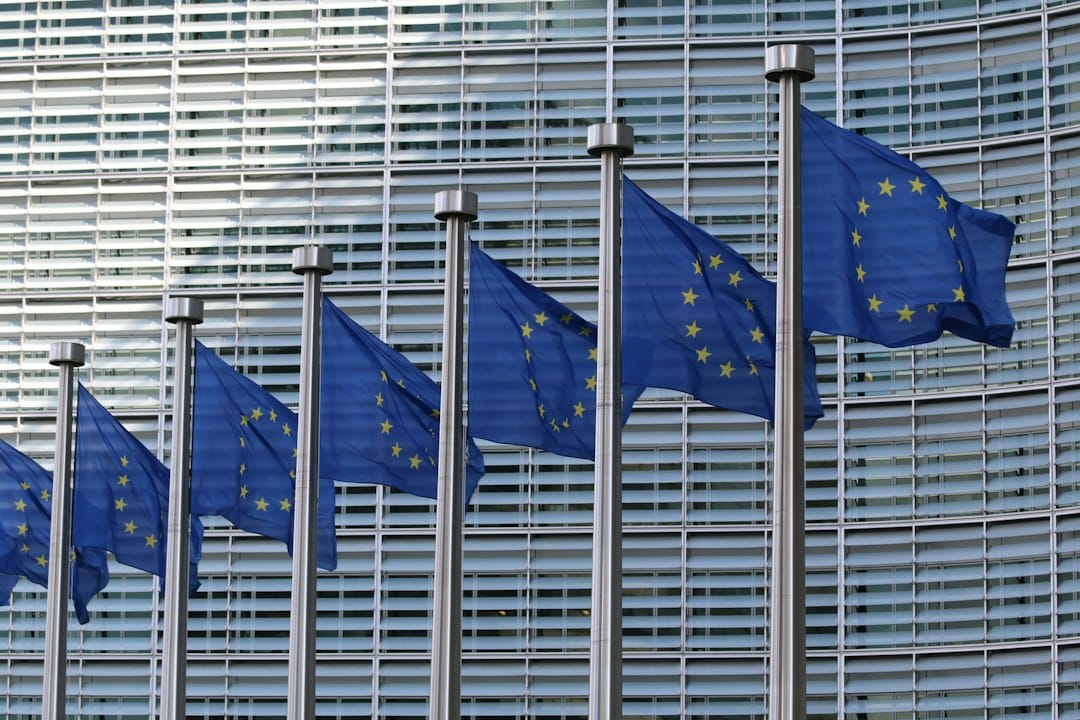
Brussels, Belgium, Source:
The European Commission has unveiled a series of significant developments across financial aid, energy security, digital regulation, and political transparency. This marks a pivotal moment in the bloc's strategic agenda. In a major step for economic recovery, the Commission approved Latvia’s fifth and final payment request of €504 million under the NextGenerationEU Recover and Resilience Facility. This approval confirms that Latvia has successfully met all 25 milestones and 31 targets outlined in the Council Implementing Decisions.
The funds will accelerate critical reforms in energy efficiency, flood risk infrastructure, health systems, digitalization, housing, and transport. With this latest disbursement, the total amount paid to Latvia under the facility reaches €1.97 billion, including an initial pre-financing of €264 million received in September 2021. The successful completion of these payments highlights the effectiveness of targeted EU support in driving national recovery efforts.
In the realm of energy independence, the Commission launched the first matching round of the Biomethane Mechanism. This voluntary initiative is designed to connect buyers and suppliers to scale up biomethane production across Europe. The move aims to reduce reliance on imported fossil fuels amid geopolitical instability, supporting the EU’s 2030 climate ambitions. To facilitate cross-border trade, a new Regulatory Dashboard has been introduced to help market participants navigate differing national rules.
Executive Vice-President Raffaele Fitto is visiting France’s outermost regions, including Guadeloupe and French Guiana, to discuss cohesion policy and the implementation of the new EU strategy for these territories. The visit highlights investments in digital education, cyclone-resistant infrastructure, and port efficiency. These efforts underscore the EU's commitment to ensuring that all member states, regardless of geographic challenges, benefit from integrated policies.
On the regulatory front, the Commission is seeking public feedback on technical guidelines for advertising repositories under the Digital Services Act (DSA). These repositories are crucial for enabling researchers, journalists, and authorities to detect online risks such as scams, disinformation, and illegal products. The consultation remains open until December 2, 2026. This proactive approach ensures that the digital landscape remains safe and transparent for all users.
Meanwhile, Commissioner Michael McGrath hosted an Implementation Dialogue on the Political Advertising Regulation, one year after its full applicability. The event gathered insights from businesses, media companies, and election observers on enhancing democratic transparency. By engaging with diverse stakeholders, the Commission aims to refine regulations that protect electoral integrity while fostering a healthy information ecosystem.
Further strengthening innovation ties, Commissioner Ekaterina Zaharieva visited Tallinn, Estonia, to highlight Europe’s digital ambitions at the Tallinn Digital Summit 2026. She emphasized the role of AI, quantum computing, and biotech in boosting competitiveness. During her visit, she also met with Estonian leadership and international partners like Jordan. These interactions demonstrate the EU's focus on global collaboration in cutting-edge technologies.
In Croatia, Commissioner Dan Jørgensen focused on energy and housing affordability, participating in the CESEC Ministerial to discuss regional electricity interconnectivity and diversification away from Russian fossil fuels. This regional cooperation is essential for building a resilient and sustainable energy network across Southeast Europe.
Finally, the Commission cleared the acquisition of Copenhagen Towers Hotel and Scandic Webers by AP Ejendomme and CapMan AIFM. The decision noted no competition concerns due to the limited market positions of the involved entities. This clearance reflects the Commission's balanced approach to mergers, ensuring fair competition while allowing market consolidation where appropriate.
Related in Politics

Politics
Europe's Future Awaits: How Young Leaders Can Shape a Sovereign Continent by 2040
At the College of Europe in Bruges, Executive Vice-President Teresa Ribera issued a compelling invitation to the next generation. She framed the European Union not as a fixed entity but as a living project that demands constant renewal. Speaking to students from around the world…
Read More...
Politics
EU's 2026 Strategy: How Citizens, Health Roadmaps, and Antitrust Actions Are Reshaping Europe
On November 23, 2026, the European Commission unveiled a comprehensive agenda designed to fortify the Union across democratic, health, and economic sectors. This strategic pivot emphasizes proactive governance, aiming to enhance internal societal cohesion while ensuring fairness…
Read More...
Politics
EU and Indonesia Sign Historic Trade Deal: What This Means for Your Business
In a significant shift for global commerce, the European Union and Indonesia have officially finalized their Comprehensive Economic Partnership Agreement. This milestone follows nearly ten years of detailed negotiations and represents one of the most ambitious trade frameworks t…
Read More...
Politics
Europe's Transport Revolution: How Science and Funding Are Reshaping Mobility by 2030
On the occasion of the 50th anniversary of the Hellenic Institute of Transportologists (HITE), European Commissioner for Transport Adina-Ioana Vălean delivered a poignant address highlighting the symbiotic relationship between Greece’s integration into the European Community and…
Read More...
Politics
EU Nature Reform: How to Protect Biodiversity Without Hurting the Economy
The European Union stands at a pivotal moment in its environmental policy journey. The focus is squarely on the practical implementation of the Birds and Habitats Directives. As the stress test of these foundational nature laws nears completion, the European Commission has made…
Read More...
Politics
Germany's Electoral Paradox: Why Legal Barriers Block Democratic Oversight
The recent dismissal of a constitutional complaint by the BSW party has sparked a critical conversation about electoral integrity in Germany. Stefan Möller, Deputy Federal Spokesperson for the Alternative for Germany (AfD), provided a sharp analysis following the Federal Constit…
Read More...
Politics
Europe's 2035 Materials Blueprint: How Smart Metals and Graphene Will Redefine Industry
The European Commission has laid out a bold vision to transform the continent into the global hub for advanced materials by 2035. This strategic proposal aims to secure leadership in innovation, production, and application of next-generation materials. Commissioner Mariya Gabrie…
Read More...
Politics
EU Climate Chief Hoekstra Reveals COP31 Strategy: How Europe Leads the Net-Zero Race
Commissioner Wopke Hoekstra took center stage at COP31 to outline a bold new vision for European climate leadership. The message was clear and direct. The European Union is not just participating in global climate discussions; it is actively shaping them. By balancing ambitious…
Read More...
Politics
Germany's Steel Crisis: How Subsidies Are Failing Workers in 2026
The German steel industry is navigating a turbulent period defined by rising production costs and significant workforce reductions. Recent figures indicate that the industrial sector saw a decline of 140,200 jobs in late 2026 compared to the previous year. This represents a 2.6…
Read More...
Politics
UniCredit and Commerzbank Merger: A Milestone for Europe's Integrated Banking Union
The European Commission has delivered a landmark decision by unconditionally approving the acquisition of Germany’s Commerzbank by Italy’s UniCredit. This transaction, recognized as the largest cross-border banking deal since the financial crisis, marks a significant step toward…
Read More...