
EU Strategy 2026: How Tech Capital and Active Lifestyles Are Reshaping Europe's Future
We compile, generate and translate using Artificial Intelligence from the below given source. Macro Micro News is responsible for its editorial publication.
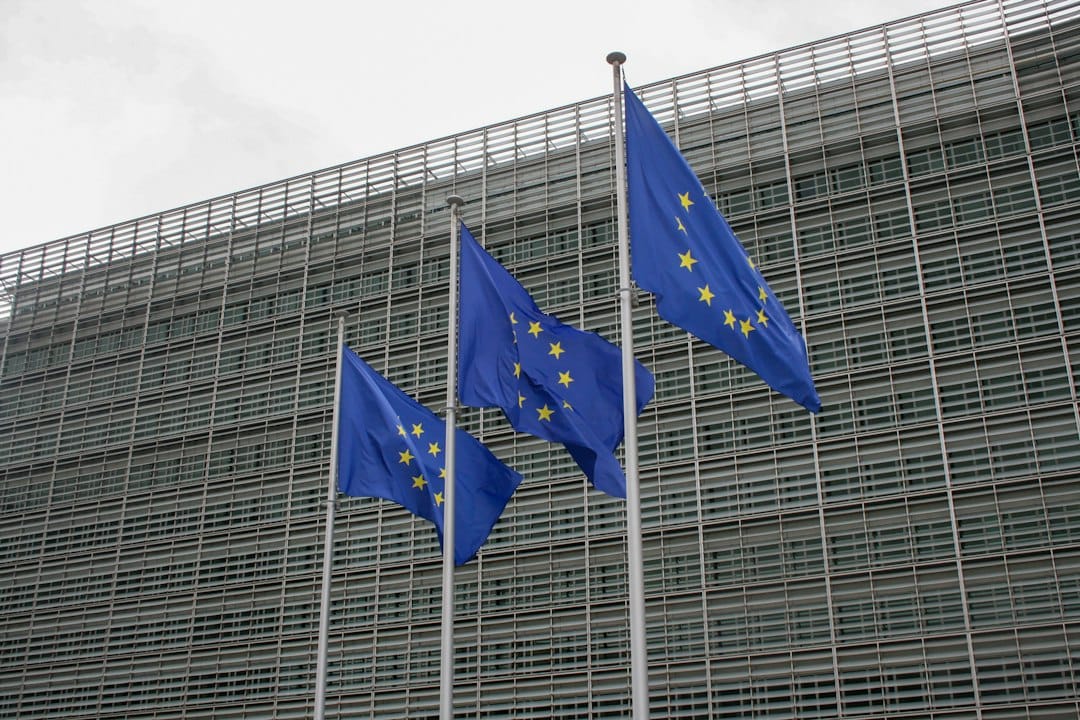
Brussels, Belgium, Source:
The European Commission has unveiled a dual-track strategy for 2026 that targets both economic resilience and social well-being. By strengthening technological infrastructure while promoting healthier lifestyles, the EU aims to align policy with public sentiment amidst global uncertainties. This approach reflects a broader commitment to addressing contemporary challenges through integrated policy measures.
A recent Eurobarometer survey highlights overwhelming public support for European agriculture, with 95% of citizens viewing rural areas as crucial for the continent's future. This strong backing validates the Common Agricultural Policy (CAP) and prompts the launch of a new 'European food' campaign focused on quality and origin. Commissioner Christophe Hansen emphasized that these results confirm alignment between EU priorities and citizen expectations regarding safe, high-quality food and environmental protection.
Simultaneously, the Commission is addressing health and mobility through the European Week of Sport 2026. New data indicates a positive trend, with physical activity levels rising across the EU. The share of citizens exercising several times a week increased to 38%, up six percentage points since 2022. Executive Vice-President Roxana Mînzatu noted that while progress is evident, access to affordable sport remains uneven, urging efforts to include children, older adults, and people with disabilities. The week’s theme, '#BeActive Your Way', encourages inclusive participation in movement activities.
On the technological front, the Commission and the European Investment Bank (EIB) Group launched the European Institutional Investors Pact (EIIP). This voluntary framework aims to channel long-term capital into Europe’s tech scale-ups, leveraging €15 billion from the European Tech Champions Initiative 2.0 and €5 billion from the Scaleup Europe Fund. The initiative seeks to help high-growth companies compete globally while remaining rooted in Europe, addressing key funding gaps identified in the competitiveness agenda.
Furthermore, two new reports explore the impact of artificial intelligence on education. They highlight that generative AI is becoming a mainstream tool but require substantial teacher training and institutional guidelines to mitigate risks like bias and privacy concerns. Executive Vice-President Mînzatu stressed that digital technology must serve citizens by genuinely supporting learning outcomes.
Internationally, EU leaders advanced multilateralism and humanitarian action at the UN General Assembly. Reports on Hong Kong and Macao underscored concerns over the erosion of fundamental freedoms, while diplomatic efforts focused on energy transition and humanitarian diplomacy. These actions illustrate the EU’s dual focus on internal innovation and external stability in an increasingly complex global landscape.
Related in Politics
Politics
EU September 2026 Update: Data Centers, Customs, and Arctic Resilience
The European Commission has introduced a common rating scheme for data centers to enhance transparency regarding energy and water consumption. This initiative supports Europe's push for technological independence while addressing the environmental impacts of rapid digital expans…
Read More...
Politics
Guimarães Summit: Europe’s $180B Climate Strategy for COP31
The historic city of Guimarães has become the focal point for a critical dialogue on clean growth and sustainable development. As the European Green Capital, this gathering serves as a vital precursor to COP31, emphasizing the urgent need to align climate action with economic st…
Read More...
Politics
EU Deploys €489M to Rebuild Southern Europe After Winter Storms: What’s Next for Portugal, Spain, Italy & Malta?
The European Commission has stepped forward with a decisive financial response, announcing a €489 million aid package aimed at helping Portugal, Spain, Italy, and Malta recover from the severe weather events that battered the region in January and February 2026. This significant…
Read More...
Politics
Germany Security Alert: Weidel Challenges Merz Plan on Migration and Safety
A significant political discussion has emerged in Germany regarding national security and migration policy. Alice Weidel, co-leader of the Alternative for Germany (AfD), has responded to a ten-point plan proposed by the Merz-led federal government. The government released this s…
Read More...
Politics
UN General Assembly 2026: Can Global Leaders Restore Trust Before the Deadline?
Every September New York becomes the heartbeat of global diplomacy. Heads of state and senior diplomats gather at United Nations Headquarters to navigate a complex web of geopolitical tensions and overlapping crises. The 81st session of the UN General Assembly’s High-Level Week…
Read More...
Politics
UN General Assembly 2026: Can Leaders Bridge the Gap Before 2030?
Each September, New York becomes the global stage for diplomacy. Heads of state and senior diplomats gather at United Nations Headquarters to address pressing international issues. The 81st session of the UN General Assembly’s High-Level Week takes place amid rising geopolitical…
Read More...
Politics
EU Cuts Red Tape: How Ending Gold-Plating Boosts SME Competitiveness in 2026
The European Commission has launched a decisive campaign to eliminate "gold-plating," a practice where member states add unnecessary regulatory layers beyond EU requirements. This initiative follows President von der Leyen’s 2026 State of the Union Address, which highlighted reg…
Read More...
Politics
Europe's Heat Crisis: How the EU is Rewiring Resilience Against Record Wildfires
The summer of 2026 has served as a stark reminder of Europe’s vulnerability to climate change. Heatwaves, droughts, and wildfires have inflicted substantial damage on public health, agriculture, and infrastructure. As temperatures soar across the continent, the European Commissi…
Read More...
Politics
EU Missions Hit Major Milestones: Cancer Goals Met, Farm Aid Approved, and Key Deals Cleared
The European Commission has unveiled a mid-term assessment that confirms the EU's Mission-driven approach is actively reshaping the continent. Released on September 14, 2026, this report details how scientific innovation under the Horizon Europe programme is turning into practic…
Read More...
Politics
Germany's Fuel Crisis: Why AfD Demands Immediate Tax Cuts Amid Red Sea Chaos
Tino Chrupalla, co-leader of the Alternative for Deutschland (AfD), has issued an urgent call for the German federal government to reduce energy taxes on gasoline and diesel. The statement, released in Berlin on September 13, 2026, highlights the severe economic pressure facing…
Read More...