
EU Tax Reform: How Unanimity Rules Are Shaping Europe's Economic Future
We compile, generate and translate using Artificial Intelligence from the below given source. Macro Micro News is responsible for its editorial publication.
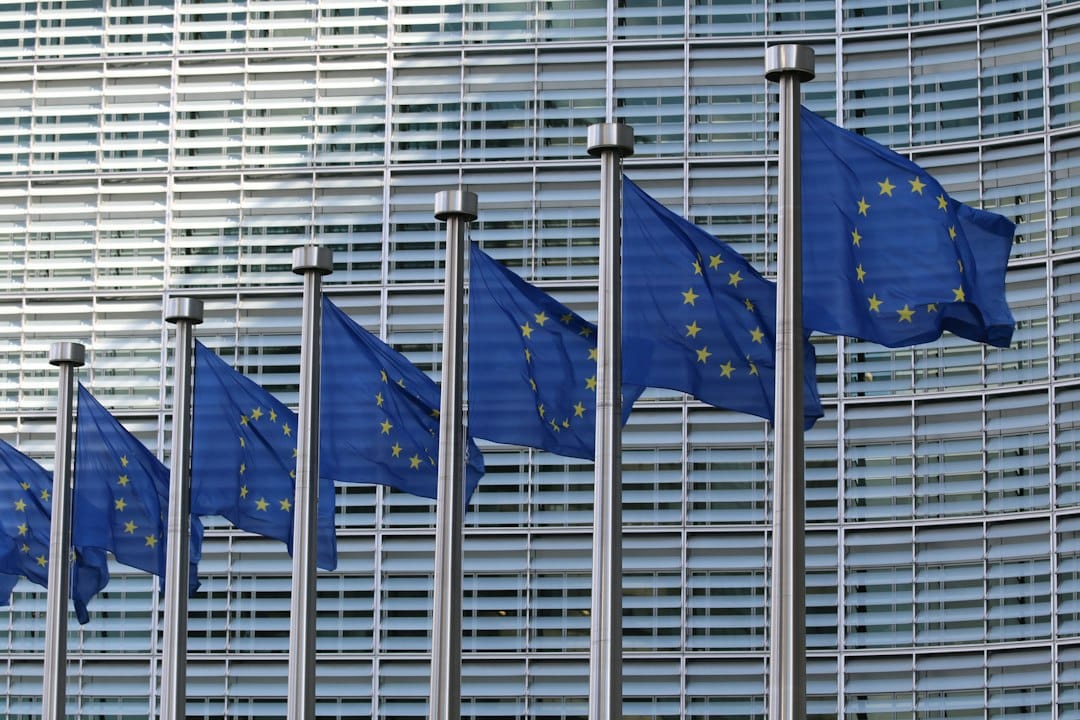
Athens, Greece, Source: Athens, Source
The European Union stands at a pivotal moment where tax policy intersects with geopolitical strategy. Commissioner Hoekstra’s recent address at the Athens Tax Forum underscored how traditional economic certainties are shifting. With global tensions rising and alliances evolving, Europe must adapt its fiscal framework to maintain strategic autonomy. The question is no longer just about revenue but about resilience in an unpredictable world.
Europe faces a complex triad of challenges including climate change, competitiveness gaps, and resource dependency. Greece illustrates the immediate impact of extreme weather events. Meanwhile the region remains heavily dependent on imported energy importing 80 percent of its gas and 95 percent of its oil. This reliance creates vulnerabilities that tax policy can help mitigate. Yet the EU also holds significant strengths such as a highly educated workforce and robust political stability. These assets provide a foundation for enhancing the Single Market and driving innovation in AI and clean technologies.
Tax reform presents a unique hurdle because it requires unanimity among all 27 Member States unlike other legislative areas. This requirement often slows progress. To navigate this the Commission promotes coalitions of the willing allowing proactive nations to lead initiatives like a European Inflation Reduction Act or Capital Markets Union. This method ensures that momentum continues even when full consensus is elusive. It offers a practical path forward for ambitious reforms.
Three key strategies are currently prioritized to modernize the tax landscape. First radical simplification aims to reduce administrative burdens by 25 percent for companies and 35 percent for SMEs. This could save approximately 8 billion euros annually. Second greater harmonization will create a more coherent rule set easing cross-border operations. Third the ViDA initiative seeks to streamline VAT administration by requiring only one VAT number for Single Market operations. This real-time data approach helps combat fraud and could save taxpayers between 15 and 20 billion euros yearly. Such savings are vital for governments managing tight budgets.
Closing the tax gap remains essential to ensure fair funding for public services without overburdening citizens. The upcoming Mind the Gap report will offer actionable insights to improve collection efficiency. Taxes must be transparent and efficient to support healthcare education and environmental sustainability. By aligning fiscal policies with broader economic goals Europe can turn current challenges into opportunities for resilient growth. The focus remains on creating a system that works for everyone while securing the continent's future.
Related in Politics

Politics
Europe's Future Awaits: How Young Leaders Can Shape a Sovereign Continent by 2040
At the College of Europe in Bruges, Executive Vice-President Teresa Ribera issued a compelling invitation to the next generation. She framed the European Union not as a fixed entity but as a living project that demands constant renewal. Speaking to students from around the world…
Read More...
Politics
EU's 2026 Strategy: How Citizens, Health Roadmaps, and Antitrust Actions Are Reshaping Europe
On November 23, 2026, the European Commission unveiled a comprehensive agenda designed to fortify the Union across democratic, health, and economic sectors. This strategic pivot emphasizes proactive governance, aiming to enhance internal societal cohesion while ensuring fairness…
Read More...
Politics
EU and Indonesia Sign Historic Trade Deal: What This Means for Your Business
In a significant shift for global commerce, the European Union and Indonesia have officially finalized their Comprehensive Economic Partnership Agreement. This milestone follows nearly ten years of detailed negotiations and represents one of the most ambitious trade frameworks t…
Read More...
Politics
Europe's Transport Revolution: How Science and Funding Are Reshaping Mobility by 2030
On the occasion of the 50th anniversary of the Hellenic Institute of Transportologists (HITE), European Commissioner for Transport Adina-Ioana Vălean delivered a poignant address highlighting the symbiotic relationship between Greece’s integration into the European Community and…
Read More...
Politics
EU Nature Reform: How to Protect Biodiversity Without Hurting the Economy
The European Union stands at a pivotal moment in its environmental policy journey. The focus is squarely on the practical implementation of the Birds and Habitats Directives. As the stress test of these foundational nature laws nears completion, the European Commission has made…
Read More...
Politics
Germany's Electoral Paradox: Why Legal Barriers Block Democratic Oversight
The recent dismissal of a constitutional complaint by the BSW party has sparked a critical conversation about electoral integrity in Germany. Stefan Möller, Deputy Federal Spokesperson for the Alternative for Germany (AfD), provided a sharp analysis following the Federal Constit…
Read More...
Politics
Europe's 2035 Materials Blueprint: How Smart Metals and Graphene Will Redefine Industry
The European Commission has laid out a bold vision to transform the continent into the global hub for advanced materials by 2035. This strategic proposal aims to secure leadership in innovation, production, and application of next-generation materials. Commissioner Mariya Gabrie…
Read More...
Politics
EU Climate Chief Hoekstra Reveals COP31 Strategy: How Europe Leads the Net-Zero Race
Commissioner Wopke Hoekstra took center stage at COP31 to outline a bold new vision for European climate leadership. The message was clear and direct. The European Union is not just participating in global climate discussions; it is actively shaping them. By balancing ambitious…
Read More...
Politics
Germany's Steel Crisis: How Subsidies Are Failing Workers in 2026
The German steel industry is navigating a turbulent period defined by rising production costs and significant workforce reductions. Recent figures indicate that the industrial sector saw a decline of 140,200 jobs in late 2026 compared to the previous year. This represents a 2.6…
Read More...
Politics
UniCredit and Commerzbank Merger: A Milestone for Europe's Integrated Banking Union
The European Commission has delivered a landmark decision by unconditionally approving the acquisition of Germany’s Commerzbank by Italy’s UniCredit. This transaction, recognized as the largest cross-border banking deal since the financial crisis, marks a significant step toward…
Read More...