
Europe's Triple Crisis: Climate, Competitiveness, and Independence in a Turbulent Era
We compile, generate and translate using Artificial Intelligence from the below given source. Macro Micro News is responsible for its editorial publication.
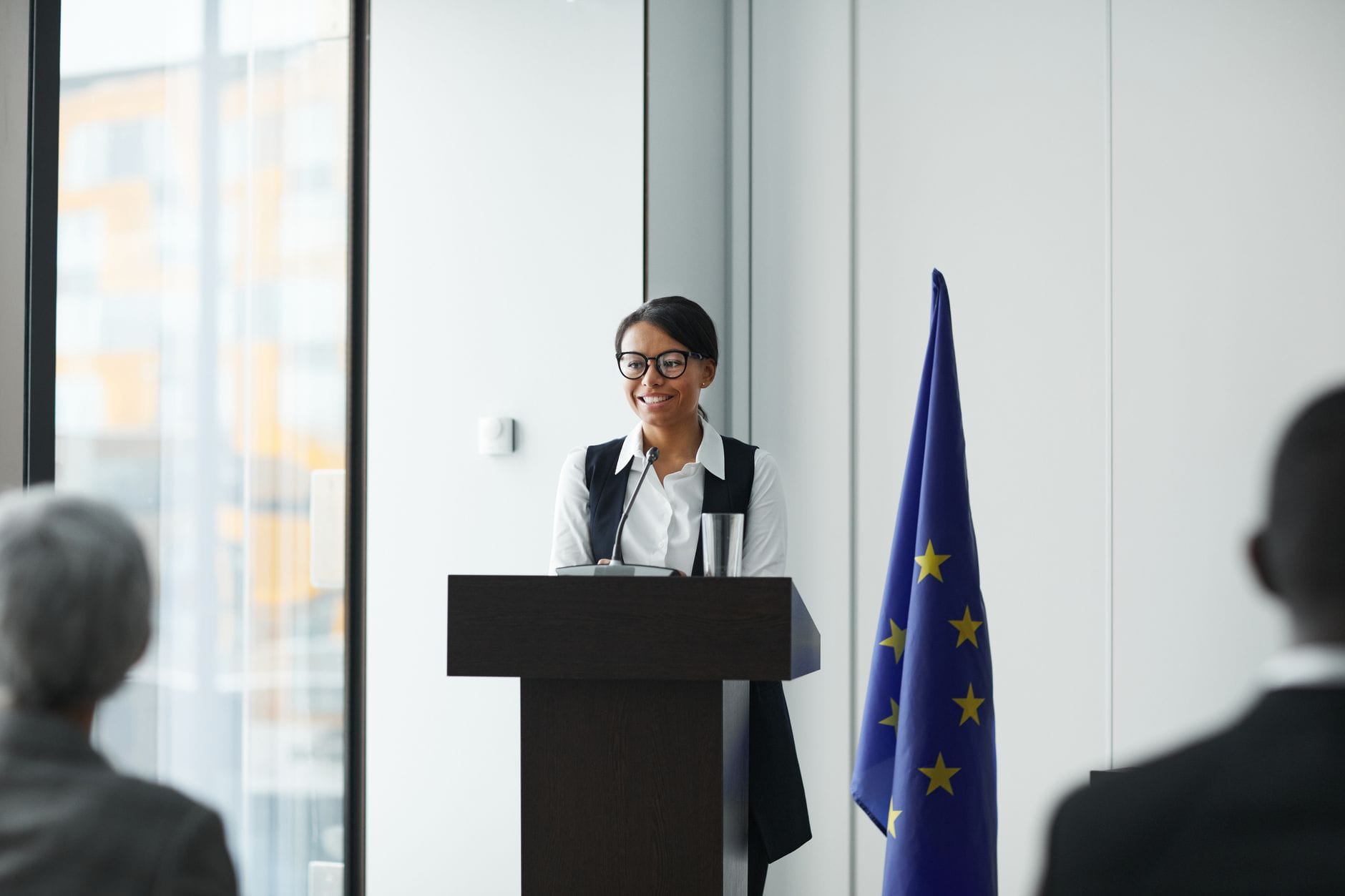
Brussels, Belgium, Source:
Frans Timmermans stood before the Annual Meeting of the Heads of the Contact Committee with a message that refused to be ignored. He painted a picture of an EU facing a convergence of threats where climate action cannot stand alone. It must intertwine with economic security and geopolitical stability. The room included heavyweights like former UN climate chief Laurent Fabius. Timmermans did not shy away from describing the current moment as complicated. War on European soil, conflicts in the Middle East, assertive trade practices from China, and shifting alliances with the United States all contribute to this uncertainty.
The climate crisis is moving faster than most realize. In Europe, temperatures are rising at twice the global average speed. Scientists warn that limiting warming to 1.5°C is becoming increasingly unlikely. This reality makes adaptation just as critical as mitigation. The recent 'Summer of Truth' served as a stark reminder. Record-breaking heatwaves showed that even if emissions stopped tomorrow, citizens and industries would still face severe risks from wildfires and floods.
Energy dependency presents another layer of vulnerability. The EU imports 80% of its gas and over 95% of its oil. This reliance exposes the continent to global price shocks. Tensions in the Strait of Hormuz have already cost the EU an additional €100 billion for the same volume of energy over the past nine to ten months. This financial burden highlights the urgent need for energy independence alongside decarbonization efforts.
To tackle these intertwined challenges, the Commission has outlined a three-pronged strategy. First, electrification must accelerate through expanded grid capacity, interconnectors, and renewable sources like solar, wind, and nuclear. Production must remain on European soil to avoid creating new dependencies. Second, budgetary priorities must align with these goals. Recent national budget cuts, particularly under the Irish Presidency, have disproportionately affected climate and innovation sectors compared to cohesion and agriculture.
Third, the rules of the game in Europe must change to level the playing field against unfair competition. Timmermans warned that the European solar industry was nearly wiped out by heavily subsidized Chinese imports. This trend threatens steel, automotive, and chemical sectors if left unchecked. A shift toward 'Made in Europe' and 'Buy European' policies is essential to protect domestic industries.
The Emissions Trading System (ETS) also requires reform. Currently, too much revenue generated from ETS allowances is either sold off by companies investing abroad or spent by governments on non-climate priorities. Timmermans argued that approximately 90% of government ETS revenues are diverted elsewhere. This misses a crucial opportunity to fund the industrial green transition. Adaptation measures must be scaled up to protect vulnerable populations from intensifying heat and natural disasters. Despite the daunting challenges, the Commissioner expressed confidence in Europe’s innovative spirit and resilience, urging member states to steer their governments toward a unified path forward.
Related in Politics
Politics
Europe's Future Awaits: How Young Leaders Can Shape a Sovereign Continent by 2040
At the College of Europe in Bruges, Executive Vice-President Teresa Ribera issued a compelling invitation to the next generation. She framed the European Union not as a fixed entity but as a living project that demands constant renewal. Speaking to students from around the world…
Read More...
Politics
EU's 2026 Strategy: How Citizens, Health Roadmaps, and Antitrust Actions Are Reshaping Europe
On November 23, 2026, the European Commission unveiled a comprehensive agenda designed to fortify the Union across democratic, health, and economic sectors. This strategic pivot emphasizes proactive governance, aiming to enhance internal societal cohesion while ensuring fairness…
Read More...
Politics
EU and Indonesia Sign Historic Trade Deal: What This Means for Your Business
In a significant shift for global commerce, the European Union and Indonesia have officially finalized their Comprehensive Economic Partnership Agreement. This milestone follows nearly ten years of detailed negotiations and represents one of the most ambitious trade frameworks t…
Read More...
Politics
Europe's Transport Revolution: How Science and Funding Are Reshaping Mobility by 2030
On the occasion of the 50th anniversary of the Hellenic Institute of Transportologists (HITE), European Commissioner for Transport Adina-Ioana Vălean delivered a poignant address highlighting the symbiotic relationship between Greece’s integration into the European Community and…
Read More...
Politics
EU Nature Reform: How to Protect Biodiversity Without Hurting the Economy
The European Union stands at a pivotal moment in its environmental policy journey. The focus is squarely on the practical implementation of the Birds and Habitats Directives. As the stress test of these foundational nature laws nears completion, the European Commission has made…
Read More...
Politics
Germany's Electoral Paradox: Why Legal Barriers Block Democratic Oversight
The recent dismissal of a constitutional complaint by the BSW party has sparked a critical conversation about electoral integrity in Germany. Stefan Möller, Deputy Federal Spokesperson for the Alternative for Germany (AfD), provided a sharp analysis following the Federal Constit…
Read More...
Politics
Europe's 2035 Materials Blueprint: How Smart Metals and Graphene Will Redefine Industry
The European Commission has laid out a bold vision to transform the continent into the global hub for advanced materials by 2035. This strategic proposal aims to secure leadership in innovation, production, and application of next-generation materials. Commissioner Mariya Gabrie…
Read More...
Politics
EU Climate Chief Hoekstra Reveals COP31 Strategy: How Europe Leads the Net-Zero Race
Commissioner Wopke Hoekstra took center stage at COP31 to outline a bold new vision for European climate leadership. The message was clear and direct. The European Union is not just participating in global climate discussions; it is actively shaping them. By balancing ambitious…
Read More...
Politics
Germany's Steel Crisis: How Subsidies Are Failing Workers in 2026
The German steel industry is navigating a turbulent period defined by rising production costs and significant workforce reductions. Recent figures indicate that the industrial sector saw a decline of 140,200 jobs in late 2026 compared to the previous year. This represents a 2.6…
Read More...
Politics
UniCredit and Commerzbank Merger: A Milestone for Europe's Integrated Banking Union
The European Commission has delivered a landmark decision by unconditionally approving the acquisition of Germany’s Commerzbank by Italy’s UniCredit. This transaction, recognized as the largest cross-border banking deal since the financial crisis, marks a significant step toward…
Read More...