
EU's €3.8B Green Shift: How New Funding and Stricter Rules Are Reshaping Industry and Farming
We compile, generate and translate using Artificial Intelligence from the below given source. Macro Micro News is responsible for its editorial publication.
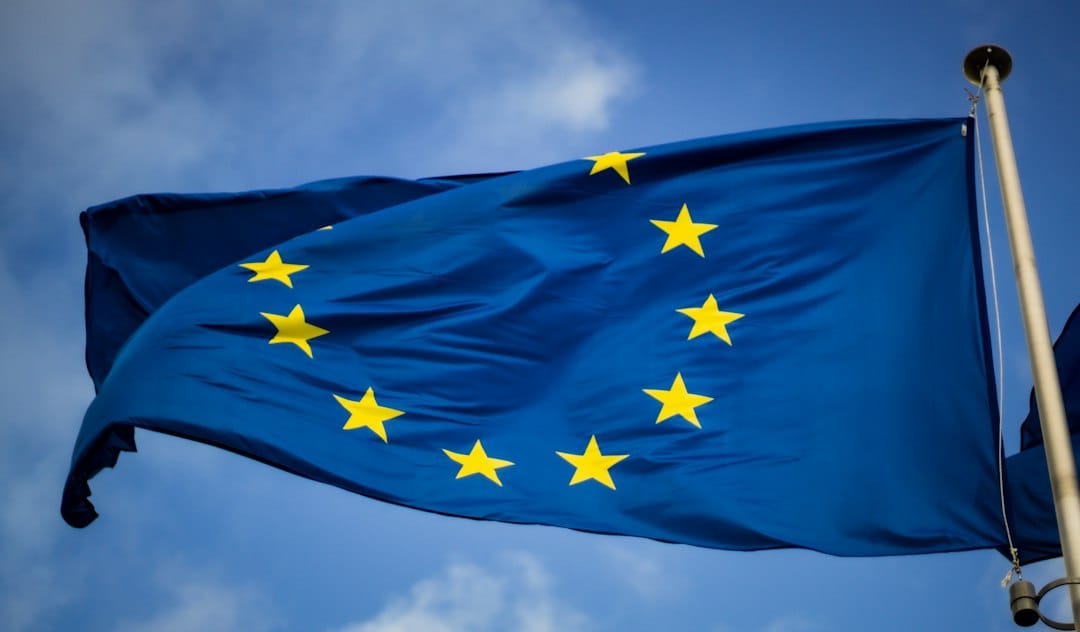
Brussels, Belgium, Source:
The European Commission has taken a decisive step toward climate neutrality by pairing massive financial incentives with tighter regulatory oversight. This dual strategy aims to boost industrial competitiveness while ensuring environmental resilience. At the heart of this initiative is the selection of 77 net-zero technology projects, which will receive €3.4 billion in funding. These funds are drawn from revenues generated by the Emissions Trading System (ETS) and are designed to support innovative decarbonisation technologies that strengthen Europe’s position as an industrial leader.
What impact will these investments have? The projected outcome is significant. Over the first decade of operations, these projects are expected to avoid approximately 290 million tonnes of greenhouse gas emissions. This contribution directly supports the EU’s broader goal of achieving climate neutrality by 2050. By focusing on cutting-edge solutions, the Commission is not only reducing emissions but also fostering long-term economic stability through green innovation.
In addition to the major clean tech investments, the Commission has allocated over €390 million to 135 new climate and environment projects under the LIFE programme. This funding covers more than half of the total investment needs for these initiatives. The supported projects focus on enhancing preparedness for extreme weather events and promoting a circular economy. The remaining funds come from national governments, private partnerships, and civil society, highlighting a collaborative approach to securing energy independence and improving the well-being of Europeans.
Shifting focus to agriculture, the Commission has proposed measures to reduce dependency on chemical fertilisers and lower costs for farmers. A key part of this proposal allows greater flexibility in using liquid digestates derived from livestock manure as alternative fertilisers. This move aims to close nutrient cycles and protect farmers from geopolitical price shocks. By increasing the autonomy of the EU’s agricultural sector, the proposal ensures that strict environmental protection standards are maintained while supporting local food production.
On the regulatory front, the Commission has issued a Statement of Objections to KKR & Co. Inc. for providing incorrect or misleading information during its 2024 investigation into the acquisition of NetCo. Preliminary views suggest that KKR negligently submitted false details regarding long-term wholesale access agreements, which were critical for assessing the transaction. Executive Vice-President Teresa Ribera emphasized that effective merger control relies on accurate data, noting evidence that KKR may have raised prices for wholesale broadband customers post-merger. This action underscores the importance of transparency in corporate transactions.
Meanwhile, the Commission approved a €52 million budget increase for a Spanish State aid scheme supporting farmers affected by rising fuel prices due to the Middle East crisis. This brings the total support for the scheme to €161 million, valid until December 2026. In other developments, two major mergers were cleared: OCS Group’s acquisition of Mitie Group plc and Blackstone’s purchase of Essendi S.A. and a hotel portfolio. Both transactions were deemed to raise no competition concerns due to the limited combined market positions of the involved entities.
Looking ahead, Commissioner Magnus Brunner is engaging with UK authorities in London to discuss shared challenges in migration, border management, and counterterrorism. This engagement builds on cooperation frameworks established in recent summits, reflecting ongoing efforts to address common security and social issues across borders.
Related in Politics

Politics
Europe's Future Awaits: How Young Leaders Can Shape a Sovereign Continent by 2040
At the College of Europe in Bruges, Executive Vice-President Teresa Ribera issued a compelling invitation to the next generation. She framed the European Union not as a fixed entity but as a living project that demands constant renewal. Speaking to students from around the world…
Read More...
Politics
EU's 2026 Strategy: How Citizens, Health Roadmaps, and Antitrust Actions Are Reshaping Europe
On November 23, 2026, the European Commission unveiled a comprehensive agenda designed to fortify the Union across democratic, health, and economic sectors. This strategic pivot emphasizes proactive governance, aiming to enhance internal societal cohesion while ensuring fairness…
Read More...
Politics
EU and Indonesia Sign Historic Trade Deal: What This Means for Your Business
In a significant shift for global commerce, the European Union and Indonesia have officially finalized their Comprehensive Economic Partnership Agreement. This milestone follows nearly ten years of detailed negotiations and represents one of the most ambitious trade frameworks t…
Read More...
Politics
Europe's Transport Revolution: How Science and Funding Are Reshaping Mobility by 2030
On the occasion of the 50th anniversary of the Hellenic Institute of Transportologists (HITE), European Commissioner for Transport Adina-Ioana Vălean delivered a poignant address highlighting the symbiotic relationship between Greece’s integration into the European Community and…
Read More...
Politics
EU Nature Reform: How to Protect Biodiversity Without Hurting the Economy
The European Union stands at a pivotal moment in its environmental policy journey. The focus is squarely on the practical implementation of the Birds and Habitats Directives. As the stress test of these foundational nature laws nears completion, the European Commission has made…
Read More...
Politics
Germany's Electoral Paradox: Why Legal Barriers Block Democratic Oversight
The recent dismissal of a constitutional complaint by the BSW party has sparked a critical conversation about electoral integrity in Germany. Stefan Möller, Deputy Federal Spokesperson for the Alternative for Germany (AfD), provided a sharp analysis following the Federal Constit…
Read More...
Politics
Europe's 2035 Materials Blueprint: How Smart Metals and Graphene Will Redefine Industry
The European Commission has laid out a bold vision to transform the continent into the global hub for advanced materials by 2035. This strategic proposal aims to secure leadership in innovation, production, and application of next-generation materials. Commissioner Mariya Gabrie…
Read More...
Politics
EU Climate Chief Hoekstra Reveals COP31 Strategy: How Europe Leads the Net-Zero Race
Commissioner Wopke Hoekstra took center stage at COP31 to outline a bold new vision for European climate leadership. The message was clear and direct. The European Union is not just participating in global climate discussions; it is actively shaping them. By balancing ambitious…
Read More...
Politics
Germany's Steel Crisis: How Subsidies Are Failing Workers in 2026
The German steel industry is navigating a turbulent period defined by rising production costs and significant workforce reductions. Recent figures indicate that the industrial sector saw a decline of 140,200 jobs in late 2026 compared to the previous year. This represents a 2.6…
Read More...
Politics
UniCredit and Commerzbank Merger: A Milestone for Europe's Integrated Banking Union
The European Commission has delivered a landmark decision by unconditionally approving the acquisition of Germany’s Commerzbank by Italy’s UniCredit. This transaction, recognized as the largest cross-border banking deal since the financial crisis, marks a significant step toward…
Read More...