
Fed Holds Rates at 3.75-4%: What the October 2026 Vote Means for Your Money
We compile, generate and translate using Artificial Intelligence from the below given source. Macro Micro News is responsible for its editorial publication.
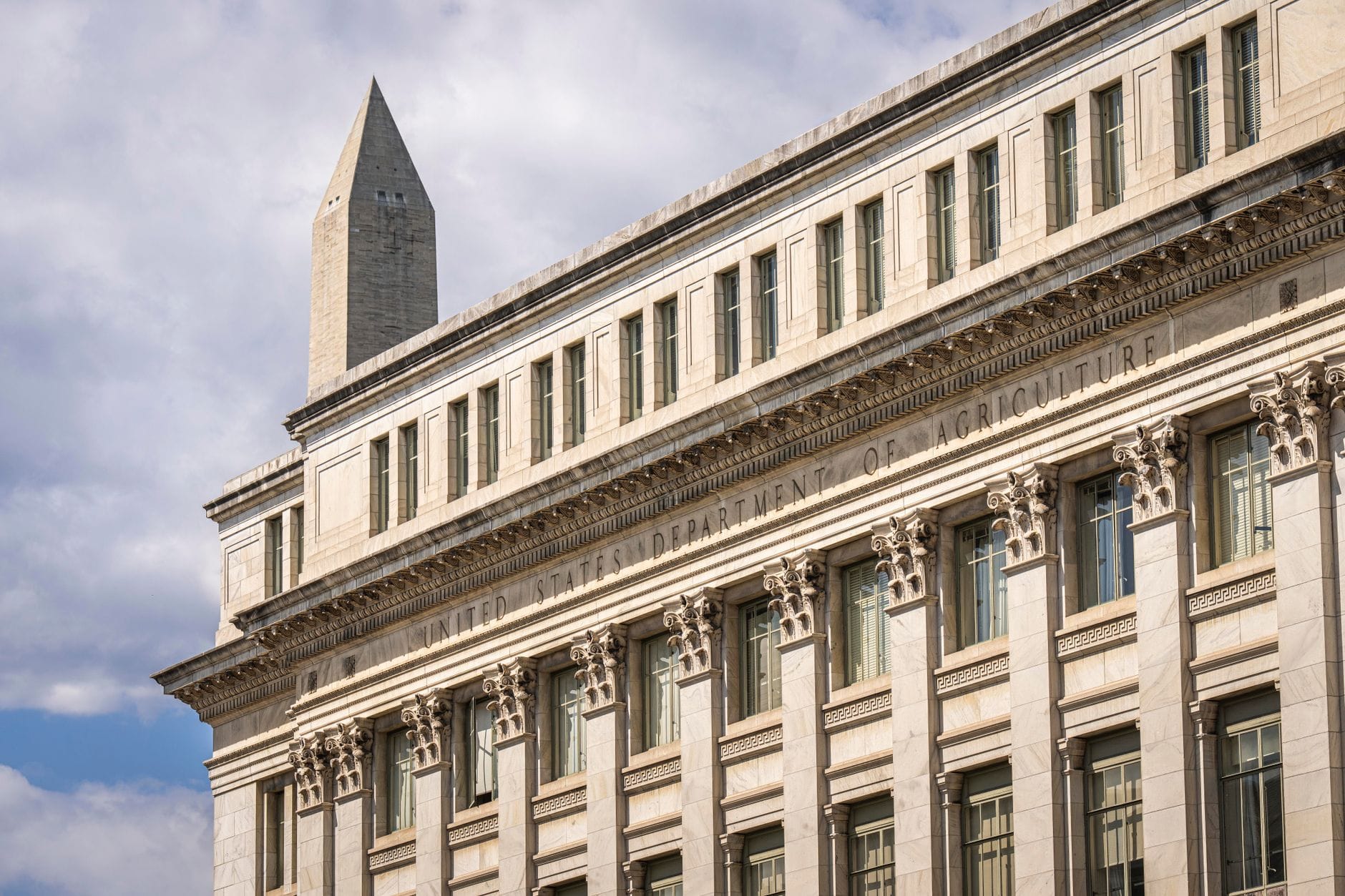
Washington, United States, Source:
The Federal Reserve made a clear statement on October 28, 2026. The Federal Open Market Committee voted 10 to 2 to keep the federal funds rate between 3.75 and 4 percent. This decision shows a strong focus on keeping prices stable while the economy continues to grow. You might wonder how this impacts your daily finances or long-term investments. The answer lies in the delicate balance the Fed is trying to strike right now.
Economic activity is moving at a strong pace. Consumer spending remains resilient, and businesses are investing heavily in capital. Geopolitical events create some uncertainty, but the labor market stays steady. Job gains match workforce growth, and unemployment rates show little change. Productivity is growing, which helps buffer against inflation. Yet, prices remain above the 2 percent goal. This means the central bank must proceed with caution to ensure inflation returns to normal levels.
Not everyone agreed with holding rates steady. Lisa D. Cook and Beth M. Hammack voted for a quarter-point increase. Their dissent highlights an internal debate about when to tighten policy further. The majority chose patience, wanting more data before acting. However, the dissents warn that delaying action could let inflation expectations drift. This tension suggests that future moves may come sooner than expected if price pressures persist.
The Fed also confirmed it will maintain ample reserves in the banking system. This strategy supports smooth financial markets and prevents liquidity shocks. It reflects a post-pandemic approach where interest rates are managed through reserve balances rather than traditional open market operations. By keeping rates in this range, the Fed aims to cool demand without stopping economic momentum. This method provides flexibility as conditions evolve.
Looking ahead, decisions will depend on incoming data. The committee will watch inflation, employment, and economic activity closely. Elevated inflation suggests the path to the 2 percent target may be longer than previously thought. Investors are watching subsequent meetings for clues about how long this holding pattern will last. The mix of geopolitical risks, domestic strength, and inflation dynamics will shape monetary policy in the coming quarters. This period is pivotal for global financial stability, and staying informed is key to navigating these changes.
Related in Finance

Finance
UCLA Wins National College Fed Challenge: What This Means for Monetary Policy Education
The University of California, Los Angeles has claimed victory in the 23rd Annual National College Fed Challenge. This win marks a significant milestone in the competition's history. The event took place on Friday, November 20, 2026. It serves as a premier platform for undergradu…
Read More...
Finance
Fed Enforcement Action: Former First Security Bancorp Employee Faces Cease-and-Desist Order for Fiduciary Breach
The Federal Reserve Board has taken a decisive step to uphold regulatory standards within the banking sector by issuing an enforcement action against Rush F. Harding III, a former employee of First Security Bancorp. Announced on November 19, 2026, this move centers on a Consent…
Read More...
Finance
Fed Minutes Oct 2026: What the Strategic Pause Reveals About Your Money
The Federal Open Market Committee recently opened its books for the October 27–28, 2026 meeting. Released on November 18, these minutes offer a rare glimpse into the precise calculations that guide American monetary policy. You are about to see how the central bank weighed infla…
Read More...
Finance
US Banks: New Third-Party Risk Deadline Extended to 2026. What Is the Strategy?
The landscape of vendor oversight is shifting once again. Four major U.S. financial regulators have joined forces to extend the comment period for proposed guidance on third-party risk management. The Federal Deposit Insurance Corporation, the Board of Governors of the Federal R…
Read More...
Finance
Fed Payment Fees 2027: What Banks Must Know Now
The Federal Reserve Board has unveiled a new pricing framework for payment services that will take effect on January 1, 2027. This update reshapes how banks and credit unions interact with the central bank's financial infrastructure. The changes aim to balance cost recovery with…
Read More...
Finance
Chicago Banking Shift: MFB Bancorp Approved by Federal Reserve for Strategic Growth
The Board of Governors of the Federal Reserve System has officially announced the approval of two significant applications submitted by Mutual Federal Bancorp, MHC, and MFB Bancorp, Inc., both headquartered in Chicago, Illinois. This regulatory milestone, released on November 9,…
Read More...
Finance
Federal Reserve Ends Enforcement Action Against Allegiant United and Nano Financial: What This Means for Compliance
The Board of Governors of the Federal Reserve System has officially announced the termination of a significant enforcement action involving three corporate entities: Allegiant United Holdings, LLC, Nano Financial Holdings, Inc., and Nano Banc. All three organizations are headqua…
Read More...
Finance
Scotiabank's US Entry: Federal Reserve Approves Maple Financial Acquisition
The Board of Governors of the Federal Reserve System has officially cleared a major cross-border banking transaction. On October 29, 2026, regulators granted approval to The Bank of Nova Scotia for its application to acquire Maple Financial Holdings, Inc. This decision allows th…
Read More...
Finance
Gardner Bancshares & Small Business Bank: Federal Reserve Closes Enforcement Cases in Lenexa
The Federal Reserve has officially wrapped up its enforcement actions against Gardner Bancshares, Inc. and its subsidiary, Small Business Bank. The Board of Governors announced the termination on October 16, 2026, confirming that the formal end date was October 13, 2026. Both in…
Read More...
Finance
Fed Discount Rate Strategy: What Late Summer 2026 Minutes Reveal About Banking Liquidity
The Federal Reserve Board has officially released the minutes from its recent discount rate review meetings held on August 17, September 9, and September 16, 2026. Released for publication on October 13, 2026, these documents provide a transparent look into the distinct monetary…
Read More...
Finance
American Household Debt Crisis: Why Rising Incomes Hide a Growing Financial Trap
The Federal Reserve Board dropped a major economic report on October 9, 2026. This document comes from the 2025 Survey of Consumer Finances. It offers a detailed look at how American families are managing their money. The survey happens every three years. It tracks ownership bor…
Read More...