
Frederic Church in Jamaica: Grief, Colonial History, and Rare Sketches at Cooper Hewitt
We compile, generate and translate using Artificial Intelligence from the below given source. Macro Micro News is responsible for its editorial publication.

New York, United States, Source:
This fall, the Cooper Hewitt, Smithsonian Design Museum invites you to explore a deeply personal chapter in art history with "Frederic Church in Jamaica." This landmark exhibition showcases rarely seen sketches from the acclaimed American painter’s 1865 journey to the Caribbean. Running from Friday, October 30, through Monday, February 15, 2027, the show presents over 60 works that document Jamaican flora and landscapes with meticulous detail. These pieces are not just botanical records but windows into Church’s life during a time of profound grief following the loss of his two young children. The exhibition also situates these intimate moments within the broader framework of British colonial rule in Jamaica.
Celebrating the 200th anniversary of Church’s birth, this exhibition leverages the Cooper Hewitt’s extensive holdings, which include more than 2,000 of the artist’s oil studies and graphite sketches. As the largest collection of Church’s work globally, these materials offer an unprecedented look into his creative process. Caitlin Condell, curator and head of Drawings, Prints & Graphic Design at Cooper Hewitt, highlights how these oil studies and 'en plein air' sketches have seldom been displayed publicly. She notes that the bicentennial provides a perfect opportunity to celebrate Church’s extraordinary contributions while reinterpreting these objects through the lens of Jamaican history.
Known for his monumental landscape paintings, Church (1826–1900) was a dedicated traveler who sought inspiration worldwide. His April 1865 trip to Jamaica with his wife, Isabel, was driven by a need for emotional and spiritual healing after their two young children died of diphtheria. For five months, the couple trekked on foot and horseback, recording the island’s topography and capturing dramatic shifts in light and weather. Created during a period of intense private sorrow and public upheaval in the United States, these breathtaking sketches demonstrate the expressive and restorative power of drawing from nature.
The sketches reveal Church’s remarkable artistic versatility. Whether completed in minutes or hours, these atmospheric drawings and oil studies reflect his commitment to accurately recording details of light, color, and form while conveying the emotional resonance of a place. His graphite sketches often feature brief annotations that are both informative and poetic. The exhibition also provides crucial historical context by highlighting the voices of Black Jamaicans like Paul Bogle and George William Gordon, who navigated political tensions on the island. Reproductions of period photographs and rare books from Smithsonian Libraries and Archives add further depth to this narrative.
Throughout the exhibition, a dynamic schedule of public programs offers contemporary perspectives. On Thursday, November 12, Victoria Johnson, author of the 2026 biography *Glorious Country*, will deliver an illustrated lecture placing Church within the global context of his era. Additional programming includes a hands-on workshop with Smithsonian botanical illustrator Alice Tangerini, focusing on native Jamaican flora. In 2027, Cooper Hewitt will launch a digital platform featuring high-resolution photography and new scholarship on its expansive collection of Church drawings, enhancing accessibility and encouraging international research.
Related in Fashion
Fashion
How TERREMOTO’s Omni-Positive Gardens Are Rewriting the Rules of Ecological Design
Landscape architecture is undergoing a profound transformation. The firm TERREMOTO has been named a winner of the 2025 National Design Awards by Cooper Hewitt Smithsonian Design Museum. This recognition highlights their pioneering manifesto on radical gardening. They are creatin…
Read More...
Fashion
How Christopher Payne Captures the MTA's Hidden Rhythm: A New York Photography Insight
Have you ever wondered what happens when the last train leaves the station? Beneath the roar of daily commuters and the screech of subway brakes lies a complex ecosystem that rarely sees the light of day. Photographer Christopher Payne has dedicated his career to illuminating th…
Read More...
Fashion
The Shards Episode 4: 1980s LA Horror, Nostalgia, and a Glee Cameo You Need to See
If you have been waiting for a reason to press play on The Shards, Episode 4 is it. The FX series, adapted from Bret Easton Ellis's novel, locks into a groove that feels equal parts dangerous and dreamy. It captures the specific pull of late 1980s Los Angeles, where glamour and…
Read More...
Fashion
What Your Hair Routine Is Missing: 3 Korean Scalp Spa Steps for Healthier Hair
What if the hair you see every day is only the end result of something far more important happening underneath? At a traditional Korean head spa in Seoul, the spotlight shifts away from the lengths and ends and lands directly on the scalp. That tiny shift in attention can change…
Read More...
Fashion
Oprah Winfrey and Stedman Graham: 40 Years Together, Never Married, and What That Teaches You About Love
When Oprah Winfrey and Stedman Graham stepped out together recently for the 40th anniversary celebration of The Oprah Winfrey Show, it marked their first public appearance together in seven years. The moment felt like a quiet reminder that some love stories simply keep going, no…
Read More...
Fashion
See How Stel Copenhagen Spring 2027 Reinvents Feminine Tailoring with Skate-Ready Denim and Travel-Friendly Shirting
What happens when a designer known for bold London streetwear trades a bustling city for the quiet landscapes of Jutland? The answer came on August 10, 2026, when Astrid Andersen presented Stel's Spring 2027 collection during Copenhagen Fashion Week. It is a deeply personal, qui…
Read More...
Fashion
Discover How IAMISIGO's Copenhagen Spring 2027 Collection Transforms African Memory and Royalty into Fashion
There are moments during fashion week when a runway show becomes something deeper. IAMISIGO's Spring 2027 presentation in Copenhagen was one of those moments. Held inside a raw industrial space with soft hazy light, it felt like a conversation with history. What if a garment cou…
Read More...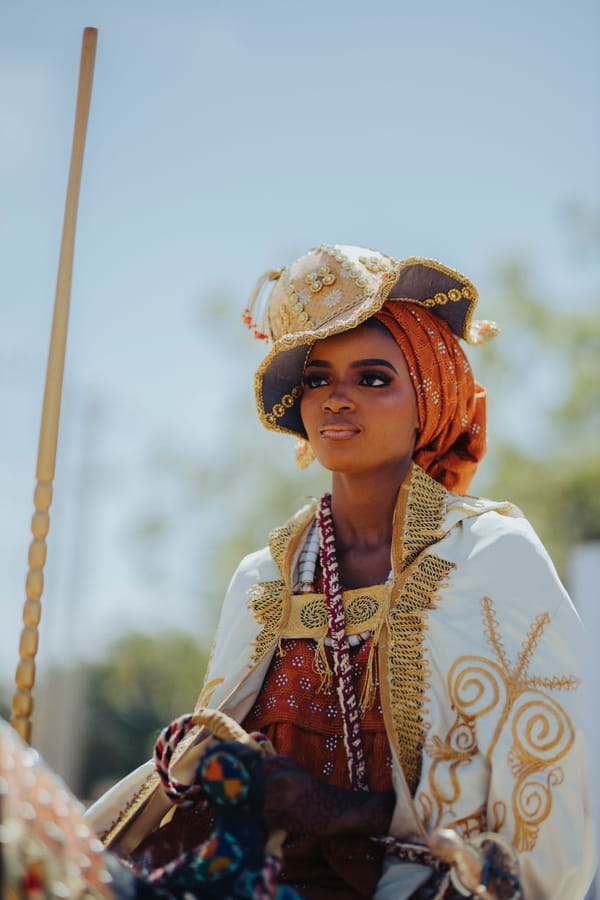
Fashion
Want to Wear History? IAMISIGO's Copenhagen Spring 2027 Collection Turns Memory Boards and Royal Headdresses Into Fashion
What if a single outfit could hold centuries of knowledge? Bubu Ogisi answered that question with IAMISIGO's Spring 2027 collection at Copenhagen Fashion Week. Inside a hazy industrial hall in the Danish capital on August 8, 2026, she presented a show that turned fabric into a l…
Read More...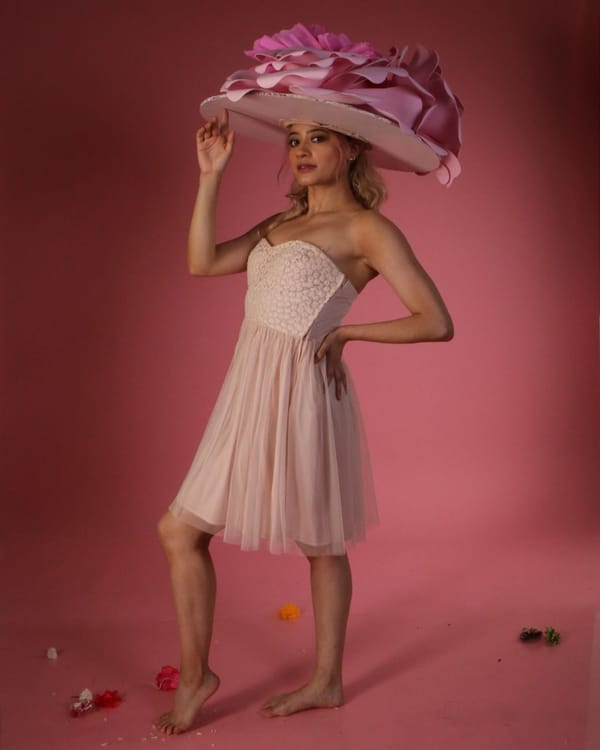
Fashion
Caro Editions Spring 2027 at Copenhagen Fashion Week: Princess Diana’s Legacy Meets Scandi Cool, Your First Look
What if the world of Scandinavian fashion merged with the most expressive chapter of Princess Diana’s wardrobe? The answer came down the runway at Caro Editions’ Spring 2027 showcase during Copenhagen Fashion Week. Designer Caroline Bille Brahe, who founded the label just four y…
Read More...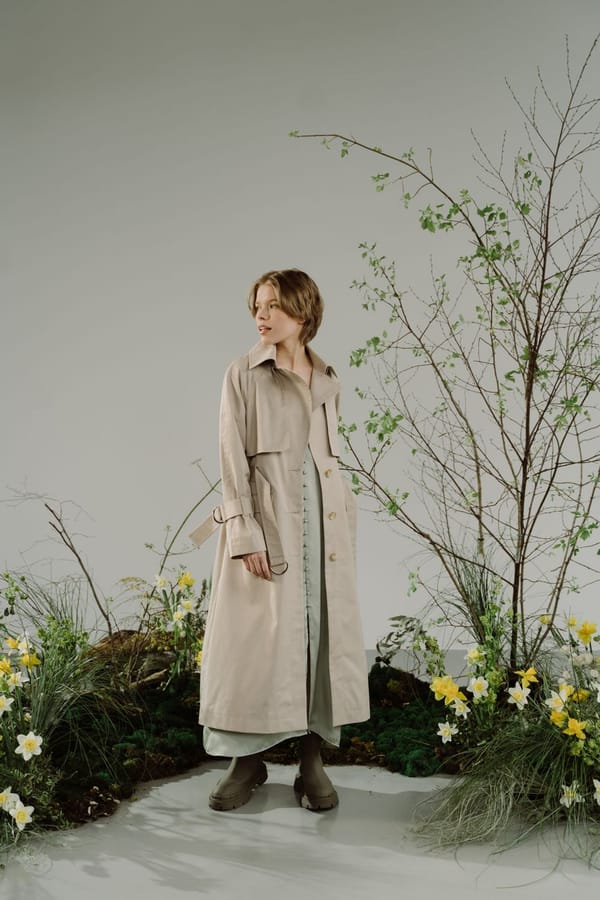
Fashion
Caro Editions Copenhagen Spring 2027: The 80% Sustainable Minimalist Collection You Need to See
What does Scandinavian minimalism look like when it stops performing and starts living? Caro Editions answered that question at Copenhagen Fashion Week with a collection that felt like a long, calm exhale. The Danish label has always stood for understated elegance. Spring 2027 t…
Read More...