
Germany's 52% State Share: What This Record Means for Your Wallet and Economy
We compile, generate and translate using Artificial Intelligence from the below given source. Macro Micro News is responsible for its editorial publication.
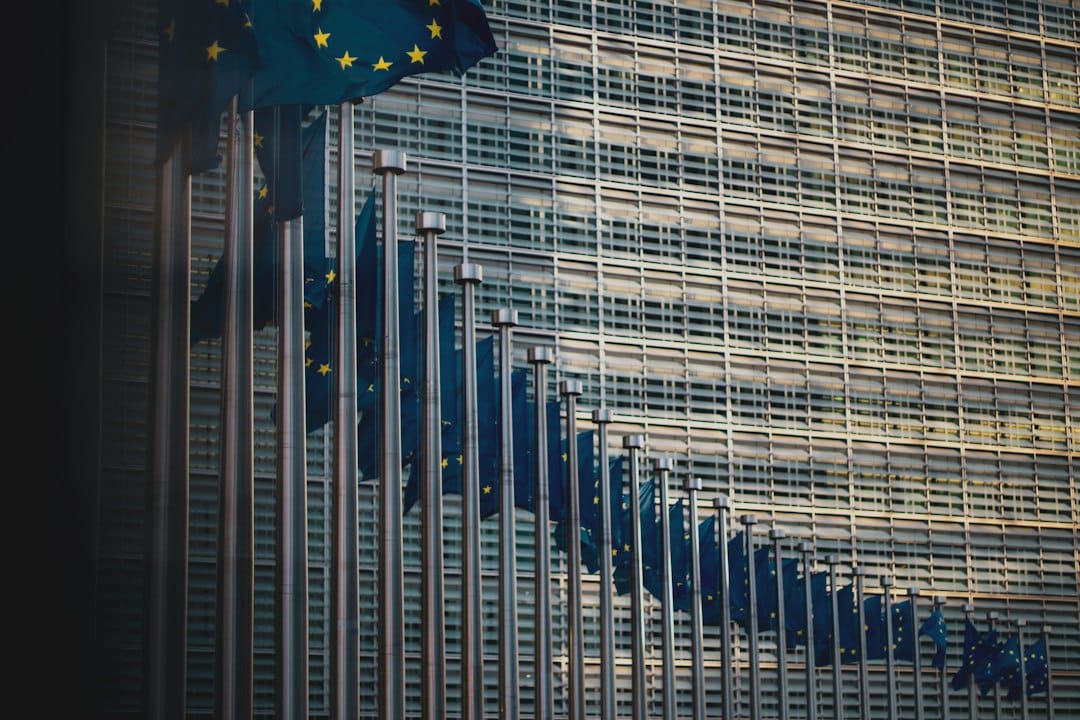
Berlin, Germany, Source:
In early October 2026, Germany reached a notable economic milestone. The federal government projected a state share of 52 percent for the current year. This figure marks a new all-time high. It signals a substantial shift in how public expenditure relates to national economic output.
The state share measures all public sector spending against the country’s total gross domestic product. This includes expenditures from the federal government, states, municipalities, and social insurance funds. The calculation provides a clear view of the government's footprint in the economy.
This surge has sparked intense debate among political leaders and economic experts. Many question the sustainability of such high levels of government intervention. Historically, the threshold of 50 percent has been viewed with caution. Former CDU Chancellor Helmut Kohl famously warned that socialism begins at a state share of 50 percent. This sentiment continues to influence conservative economic discourse today.
Clemens Fuest, president of the prestigious ifo Institute, emphasized in the spring of 2026 that the state share must not exceed 49 percent. He advocated for potential legislative measures to cap this growth. His stance highlights the growing concern among economists about fiscal balance.
Alice Weidel, co-leader of the Alternative for Deutschland (AfD), responded sharply to the projections. She argued that when the state consumes more than half of the nation’s economic performance, it should trigger immediate alarm bells. Weidel highlighted that increased public spending inevitably leads to higher tax and fee burdens on citizens. She noted a continuous rise under the current coalition led by Friedrich Merz and Robert Klingbeil.
Weidel also criticized the efficiency of public fund management. She cited daily reports of mismanagement and waste of taxpayer money. Her comments reflect a broader frustration with how public resources are utilized. The argument suggests that transparency and accountability are crucial for maintaining public trust.
The core argument presented by the AfD is the necessity for a leaner state focused strictly on its core functions. They contend that reducing the state share is essential to alleviate the financial pressure on households and businesses. This approach aims to foster a more dynamic and competitive economy. It aligns with broader European concerns about fiscal consolidation and the long-term impacts of expansive welfare and administrative costs on private sector growth.
As the 52 percent projection looms, policymakers face increasing pressure to justify the scale of public expenditure. Critics argue that without structural reforms to reduce the state’s footprint, Germany risks stifling innovation. They warn of burdening future generations with unsustainable debt levels. The debate underscores a critical juncture in German economic policy. The balance between social security and fiscal responsibility is being rigorously tested. Observers will watch closely to see how these challenges are addressed in the coming months.
Related in Politics
Politics
Germany's Growth Mirage: Weidel Exposes the Debt Trap Behind Official Projections
The German federal government recently unveiled its autumn economic projections for October 2026, highlighting a projected growth rate of 1.3 percent for the current year. This optimistic forecast suggests a notable upswing in national economic activity. However, Alice Weidel, c…
Read More...
Politics
EU-Mexico Trade Alliance 2026: How This Partnership Is Reshaping Global Supply Chains
The European Union and Mexico have always been strong partners in multilateral cooperation. By September 2026 their relationship has become a key test for global economic resilience. Trade tensions are rising in many parts of the world. The EU-Mexico partnership offers stability…
Read More...
Politics
Ireland's EU Presidency: How Humanitarian Aid and Preparedness Build a Safer Future
As Ireland takes the helm of the Council of the European Union, Commissioner Lahbib highlights a pivotal moment for global engagement. Europe now faces a dual mandate that requires both moral leadership through humanitarian aid and strengthened internal resilience against a comp…
Read More...
Politics
Saxony-Anhalt Breaks Tradition: AfD's Tobias Rausch Takes Landtag Presidency
German politics witnessed a defining moment on October 6, 2026, when the newly constituted state parliament of Saxony-Anhalt elected Tobias Rausch as its Landtag President. This event marks the first time in the history of the Federal Republic that a member of the Alternative fo…
Read More...
Politics
Von der Leyen's Balkan Strategy: Why EU Expansion is a Mutual Transformation
Ursula von der Leyen has made it clear that the European Union’s path forward involves more than just opening borders. Her recent visits to the Western Balkans highlight a strategic shift where enlargement is treated as a mutual transformation rather than a one-sided gift from B…
Read More...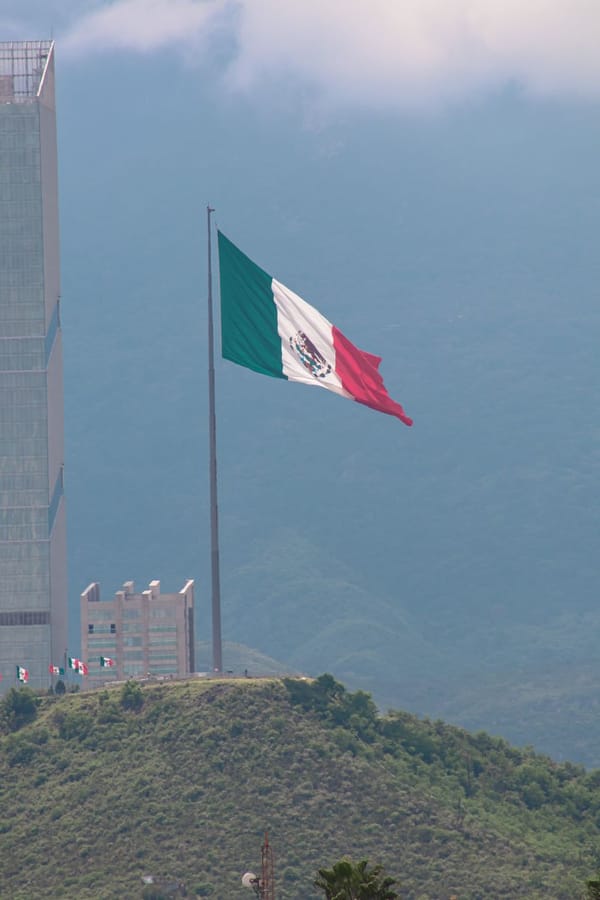
Politics
EU-Mexico Trade Shift 2026: What Nearshoring and Green Tech Mean for Your Business
The relationship between the European Union and Mexico is undergoing a significant transformation as we navigate through 2026. This partnership has evolved from traditional trade agreements into a robust framework focused on sustainable development digital innovation and diploma…
Read More...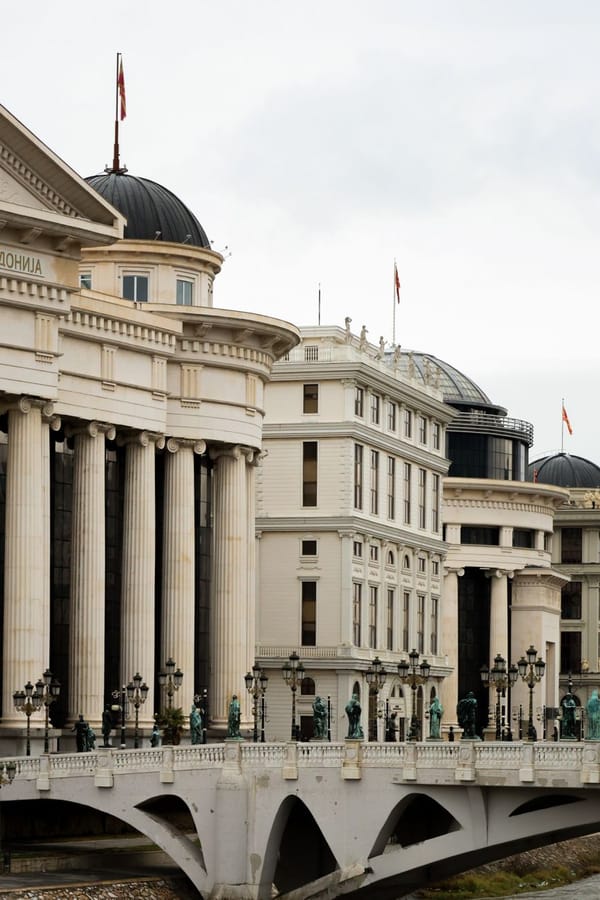
Politics
North Macedonia's EU Path: Security, Economy, and Institutional Readiness
In a significant diplomatic engagement held in Skopje, European leadership reaffirmed its commitment to North Macedonia’s accession to the European Union, highlighting the nation’s pivotal role in regional security and economic stability. The dialogue underscored North Macedonia…
Read More...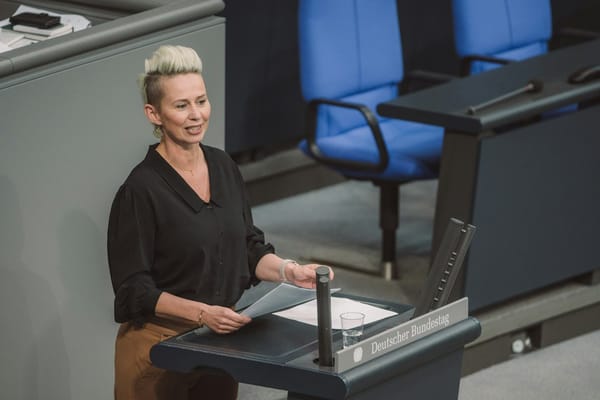
Politics
Germany's Subsidy Crisis: Why Taxpayers Are Demanding Fiscal Reform Now
In October 2026, the Bund der Steuerzahler released its annual "Black Book," a detailed report exposing state-funded waste and inefficient subsidy programs across Germany. This publication has sparked a significant conversation about fiscal responsibility, revealing how public f…
Read More...
Politics
Brussels Confirms €45 Billion Ukraine Aid Package for 2027: What This Means for Your Future
The European Commission and Ukraine have just released a joint statement that signals a major shift in how financial support is structured. Announced on October 1, 2026, this move reinforces transatlantic solidarity while addressing Kyiv's urgent financial needs. The question no…
Read More...
Politics
Berlin Activist Danger Dan: The Education Choice That Sparks Debate on Privilege and Policy
The intersection of public activism and private decision making often reveals complex layers of human behavior. A recent discussion involving German musician Danger Dan and Sven Tritschler from the Alternative for Germany (AfD) brings this dynamic into focus. The conversation ce…
Read More...