
Germany's Growth Mirage: Weidel Exposes the Debt Trap Behind Official Projections
We compile, generate and translate using Artificial Intelligence from the below given source. Macro Micro News is responsible for its editorial publication.
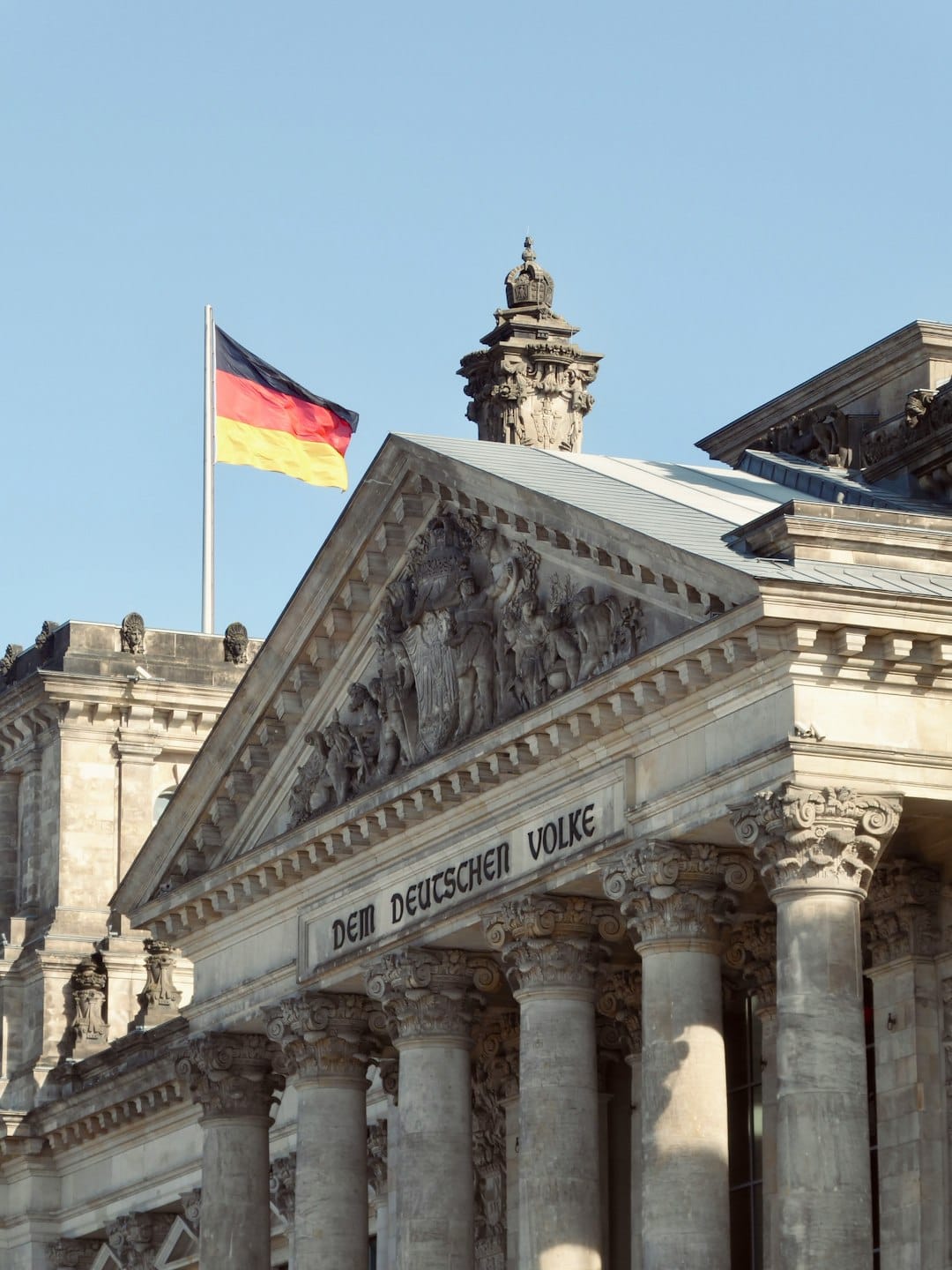
Berlin, Germany, Source:
The German federal government recently unveiled its autumn economic projections for October 2026, highlighting a projected growth rate of 1.3 percent for the current year. This optimistic forecast suggests a notable upswing in national economic activity. However, Alice Weidel, co-leader of the Alternative for Germany (AfD) party, has raised significant concerns regarding the sustainability of this growth. She argues that the foundation of this expansion rests on excessive state intervention and mounting public debt rather than organic private sector vitality.
Weidel characterizes the current government consumption model as being funded "on credit," which places a heavy financial burden on future generations through escalating debt servicing costs. According to her analysis, rising interest risks associated with potential declines in Germany’s creditworthiness threaten to severely limit the state’s ability to act effectively in the future. Historical examples of fiscal mismanagement, such as the Stuttgart 21 railway project, the Cologne Opera, and the Berlin Brandenburg Airport (BER), illustrate what she views as a recurring inability to handle public funds efficiently.
The AfD leader criticizes the coalition approach involving Chancellor Friedrich Merz and Vice Chancellor Olaf Scholz, represented here by Klingbeil within the context of the source text's political landscape. Weidel labels their strategy of "state on credit" as dangerous for the nation's long-term stability. She asserts that currently positive economic data merely masks the deteriorating condition of Germany’s infrastructure and broader economic health. To address these underlying issues, the AfD is calling for a comprehensive overhaul of economic policy.
Their proposed reforms include reducing taxes, streamlining the social welfare system to focus on essential needs, eliminating subsidies, and drastically cutting bureaucratic red tape. Furthermore, the party advocates for a technology-open approach, particularly in energy policy, and opposes the introduction of new levies on items such as sugar, plastics, or other consumer goods. In foreign policy, they emphasize a commitment to peace while protecting citizens and employers from increased financial burdens starting in 2027.
Weidel warns against raising contribution assessment ceilings for social insurance, arguing that such measures would stifle private consumption and harm the private sector. She describes these actions as poison for any genuine economic recovery. The core message remains that without structural reforms to reduce the state's footprint, the projected growth will remain unsustainable. This perspective invites readers to consider whether current economic indicators reflect true prosperity or temporary relief funded by future liabilities.
Related in Politics
Politics
EU-Mexico Trade Alliance 2026: How This Partnership Is Reshaping Global Supply Chains
The European Union and Mexico have always been strong partners in multilateral cooperation. By September 2026 their relationship has become a key test for global economic resilience. Trade tensions are rising in many parts of the world. The EU-Mexico partnership offers stability…
Read More...
Politics
Ireland's EU Presidency: How Humanitarian Aid and Preparedness Build a Safer Future
As Ireland takes the helm of the Council of the European Union, Commissioner Lahbib highlights a pivotal moment for global engagement. Europe now faces a dual mandate that requires both moral leadership through humanitarian aid and strengthened internal resilience against a comp…
Read More...
Politics
Saxony-Anhalt Breaks Tradition: AfD's Tobias Rausch Takes Landtag Presidency
German politics witnessed a defining moment on October 6, 2026, when the newly constituted state parliament of Saxony-Anhalt elected Tobias Rausch as its Landtag President. This event marks the first time in the history of the Federal Republic that a member of the Alternative fo…
Read More...
Politics
Von der Leyen's Balkan Strategy: Why EU Expansion is a Mutual Transformation
Ursula von der Leyen has made it clear that the European Union’s path forward involves more than just opening borders. Her recent visits to the Western Balkans highlight a strategic shift where enlargement is treated as a mutual transformation rather than a one-sided gift from B…
Read More...
Politics
EU-Mexico Trade Shift 2026: What Nearshoring and Green Tech Mean for Your Business
The relationship between the European Union and Mexico is undergoing a significant transformation as we navigate through 2026. This partnership has evolved from traditional trade agreements into a robust framework focused on sustainable development digital innovation and diploma…
Read More...
Politics
Germany's 52% State Share: What This Record Means for Your Wallet and Economy
In early October 2026, Germany reached a notable economic milestone. The federal government projected a state share of 52 percent for the current year. This figure marks a new all-time high. It signals a substantial shift in how public expenditure relates to national economic ou…
Read More...
Politics
North Macedonia's EU Path: Security, Economy, and Institutional Readiness
In a significant diplomatic engagement held in Skopje, European leadership reaffirmed its commitment to North Macedonia’s accession to the European Union, highlighting the nation’s pivotal role in regional security and economic stability. The dialogue underscored North Macedonia…
Read More...
Politics
Germany's Subsidy Crisis: Why Taxpayers Are Demanding Fiscal Reform Now
In October 2026, the Bund der Steuerzahler released its annual "Black Book," a detailed report exposing state-funded waste and inefficient subsidy programs across Germany. This publication has sparked a significant conversation about fiscal responsibility, revealing how public f…
Read More...
Politics
Brussels Confirms €45 Billion Ukraine Aid Package for 2027: What This Means for Your Future
The European Commission and Ukraine have just released a joint statement that signals a major shift in how financial support is structured. Announced on October 1, 2026, this move reinforces transatlantic solidarity while addressing Kyiv's urgent financial needs. The question no…
Read More...
Politics
Berlin Activist Danger Dan: The Education Choice That Sparks Debate on Privilege and Policy
The intersection of public activism and private decision making often reveals complex layers of human behavior. A recent discussion involving German musician Danger Dan and Sven Tritschler from the Alternative for Germany (AfD) brings this dynamic into focus. The conversation ce…
Read More...