
Germany's Leadership Shift: Why Saxony-Anhalt's Election Result Was Overlooked
We compile, generate and translate using Artificial Intelligence from the below given source. Macro Micro News is responsible for its editorial publication.
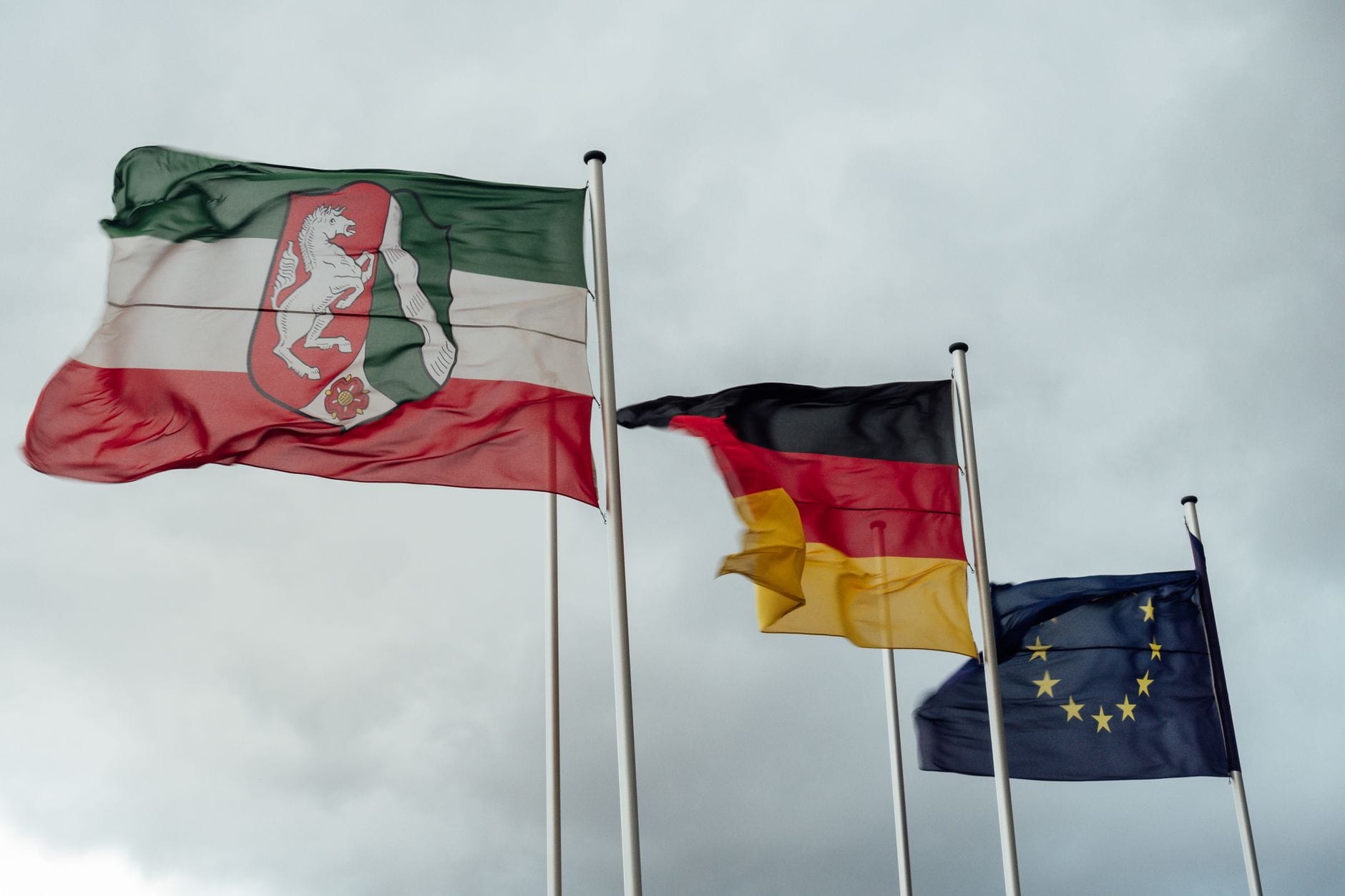
Berlin, Germany, Source:
The German Conference of State Premiers has made a decision that is currently sparking intense discussion about how democratic processes are handled at the state level. The established rotation schedule for the chairmanship was set to change hands on October 1, 2026. Under normal circumstances, the state of Saxony-Anhalt would have assumed this leadership role. Instead, an agreement among the sixteen state premiers has extended the tenure of the current chair from Rheinland-Pfalz for another year. This adjustment comes directly in the wake of recent state elections in Saxony-Anhalt.
The core of this development lies in the results of the September 2026 elections in Saxony-Anhalt. The Alternative for Germany party achieved a decisive victory in these polls. Despite this clear signal from the electorate, outgoing Minister President Sven Schulze of the Christian Democratic Union announced he would not take his turn as chair of the MPK. By stepping down voluntarily, Schulze ensured that Ulrich Siegmund, the AfD candidate and likely next Minister President, would not preside over the conference. The MPK serves as a vital platform where state leaders coordinate policy and represent regional interests nationally.
Stefan Möller, Deputy Federal Spokesperson for the AfD, offered a strong critique of this arrangement. He described the move as inconsistent with democratic principles. His argument centers on the idea that a rule of law must respect election outcomes and follow its own established rules. Möller pointed out that political parties often find it difficult to accept losing power. He noted a specific concern regarding the involvement of ministers president from the new federal states in eastern Germany. According to him, these leaders chose to bypass the rotational right of an eastern state rather than allow the AfD to hold its expected position.
This event invites reflection on how democratic institutions adapt when voter preferences shift. The MPK relies on consensus and equal representation among the states. Critics argue that bypassing the winner of a state election to maintain control over leadership challenges the trust between voters and their representatives. The situation highlights the evolving political landscape in Germany and the ways traditional parties navigate the growing influence of new movements. As these dynamics continue to develop, such instances may shape future negotiations and the perceived legitimacy of inter-state cooperation mechanisms.
Related in Politics
Politics
Germany's Growth Mirage: Weidel Exposes the Debt Trap Behind Official Projections
The German federal government recently unveiled its autumn economic projections for October 2026, highlighting a projected growth rate of 1.3 percent for the current year. This optimistic forecast suggests a notable upswing in national economic activity. However, Alice Weidel, c…
Read More...
Politics
EU-Mexico Trade Alliance 2026: How This Partnership Is Reshaping Global Supply Chains
The European Union and Mexico have always been strong partners in multilateral cooperation. By September 2026 their relationship has become a key test for global economic resilience. Trade tensions are rising in many parts of the world. The EU-Mexico partnership offers stability…
Read More...
Politics
Ireland's EU Presidency: How Humanitarian Aid and Preparedness Build a Safer Future
As Ireland takes the helm of the Council of the European Union, Commissioner Lahbib highlights a pivotal moment for global engagement. Europe now faces a dual mandate that requires both moral leadership through humanitarian aid and strengthened internal resilience against a comp…
Read More...
Politics
Saxony-Anhalt Breaks Tradition: AfD's Tobias Rausch Takes Landtag Presidency
German politics witnessed a defining moment on October 6, 2026, when the newly constituted state parliament of Saxony-Anhalt elected Tobias Rausch as its Landtag President. This event marks the first time in the history of the Federal Republic that a member of the Alternative fo…
Read More...
Politics
Von der Leyen's Balkan Strategy: Why EU Expansion is a Mutual Transformation
Ursula von der Leyen has made it clear that the European Union’s path forward involves more than just opening borders. Her recent visits to the Western Balkans highlight a strategic shift where enlargement is treated as a mutual transformation rather than a one-sided gift from B…
Read More...
Politics
EU-Mexico Trade Shift 2026: What Nearshoring and Green Tech Mean for Your Business
The relationship between the European Union and Mexico is undergoing a significant transformation as we navigate through 2026. This partnership has evolved from traditional trade agreements into a robust framework focused on sustainable development digital innovation and diploma…
Read More...
Politics
Germany's 52% State Share: What This Record Means for Your Wallet and Economy
In early October 2026, Germany reached a notable economic milestone. The federal government projected a state share of 52 percent for the current year. This figure marks a new all-time high. It signals a substantial shift in how public expenditure relates to national economic ou…
Read More...
Politics
North Macedonia's EU Path: Security, Economy, and Institutional Readiness
In a significant diplomatic engagement held in Skopje, European leadership reaffirmed its commitment to North Macedonia’s accession to the European Union, highlighting the nation’s pivotal role in regional security and economic stability. The dialogue underscored North Macedonia…
Read More...
Politics
Germany's Subsidy Crisis: Why Taxpayers Are Demanding Fiscal Reform Now
In October 2026, the Bund der Steuerzahler released its annual "Black Book," a detailed report exposing state-funded waste and inefficient subsidy programs across Germany. This publication has sparked a significant conversation about fiscal responsibility, revealing how public f…
Read More...
Politics
Brussels Confirms €45 Billion Ukraine Aid Package for 2027: What This Means for Your Future
The European Commission and Ukraine have just released a joint statement that signals a major shift in how financial support is structured. Announced on October 1, 2026, this move reinforces transatlantic solidarity while addressing Kyiv's urgent financial needs. The question no…
Read More...