
Guimarães Summit: Europe’s $180B Climate Strategy for COP31
We compile, generate and translate using Artificial Intelligence from the below given source. Macro Micro News is responsible for its editorial publication.
Guimarães, Portugal, Source:
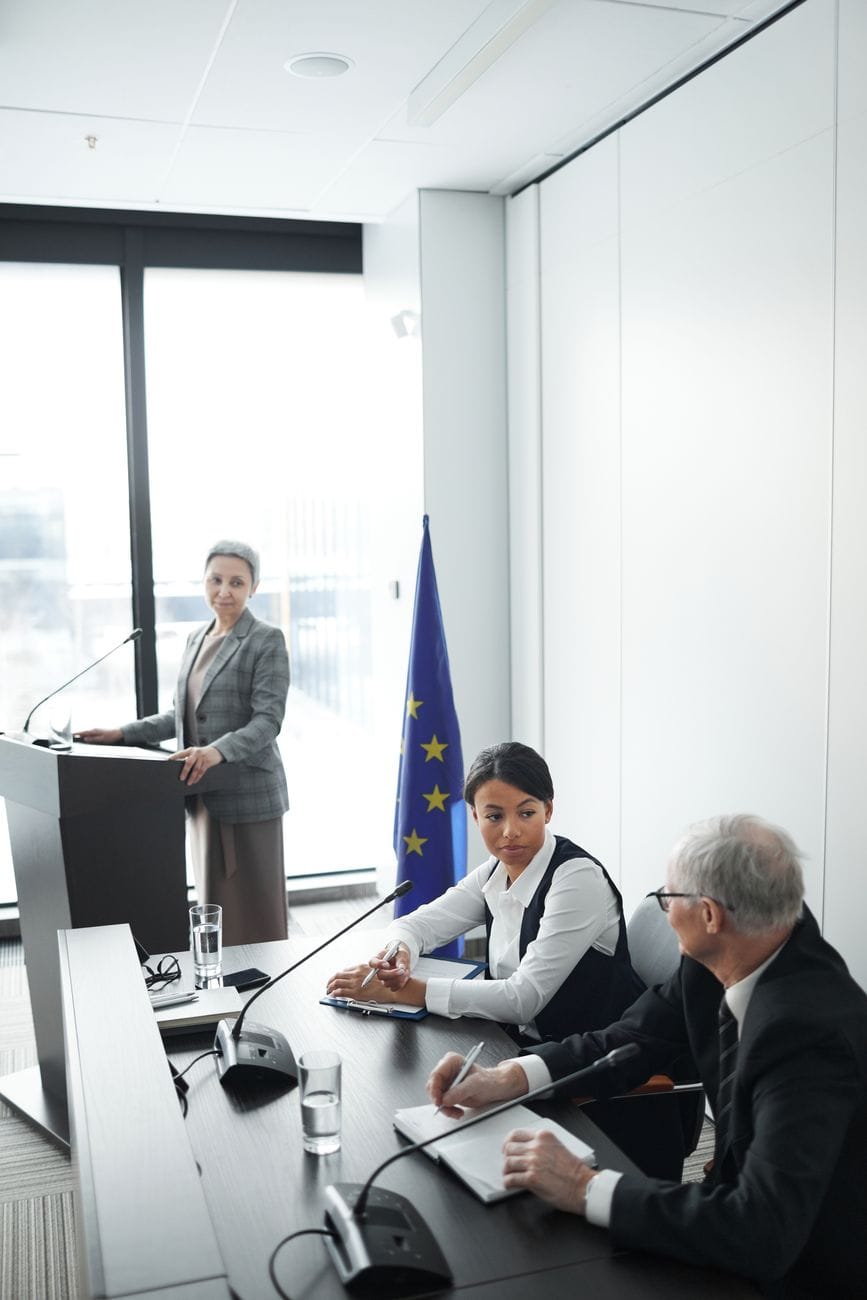
The historic city of Guimarães has become the focal point for a critical dialogue on clean growth and sustainable development. As the European Green Capital, this gathering serves as a vital precursor to COP31, emphasizing the urgent need to align climate action with economic stability. The discussions highlight that extreme weather, resource scarcity, and economic volatility are deeply interconnected challenges requiring a unified policy response.
Recent summers in Europe have provided stark reminders of these complexities. While parts of Portugal faced severe droughts, other regions experienced deadly storms that turned streets into rivers. These contrasting extremes illustrate the dual threats of water scarcity and excess. Such conditions cost EU economies approximately 180 billion euros annually due to extreme heat alone. This figure demonstrates that inaction represents a significant economic liability rather than just an environmental failure.
To address these issues, three crucial priorities have been identified for the upcoming COP31 agenda. First, the circular economy is positioned as both an environmental necessity and a growth strategy. In a context of geopolitical tension and volatile commodity prices, reducing dependence on imported raw materials is essential. By investing in eco-design, material efficiency, and innovative business models, Europe aims to turn waste into value. This approach lowers costs, cuts pollution, and strengthens supply chain security. The upcoming Circular Economy Act is expected to accelerate this transition, supported by international cooperation led by Turkey’s COP31 presidency.
Second, water resilience has emerged as a top political and economic priority. Water is described as the lifeblood of the world, with droughts threatening agriculture, industry, and energy production. For instance, nuclear power plants in Sweden and hydroelectric facilities in Portugal rely heavily on consistent water levels. To combat this, the European Commission has announced a new Water Initiative. This commitment includes over 40 billion euros through existing funding instruments and aims to mobilize an additional 15 billion with the European Investment Bank. The strategy focuses on infrastructure investment, improved efficiency, and drought management, recognizing that water resilience is the backbone of growth policy.
Third, protecting and restoring natural environments is vital for long-term security. Nature-based solutions, such as coastal ecosystems, healthy wetlands, and managed forests, provide practical returns by protecting communities from storms, floods, and fires. The EU remains committed to halting deforestation by 2030, viewing nature not as an alternative to development but as its foundation. The speech emphasizes that climate ambition and economic strength are mutually reinforcing. Countries that build clean, circular, and climate-resilient economies will be better positioned to prosper. As global leaders prepare for COP31, the message is clear: ambitious policy must deliver practical results, creating good jobs, lower risks, and stronger, cleaner long-term growth.
Related in Politics
Politics
EU Strategy 2026: How Tech Capital and Active Lifestyles Are Reshaping Europe's Future
The European Commission has unveiled a dual-track strategy for 2026 that targets both economic resilience and social well-being. By strengthening technological infrastructure while promoting healthier lifestyles, the EU aims to align policy with public sentiment amidst global un…
Read More...
Politics
EU September 2026 Update: Data Centers, Customs, and Arctic Resilience
The European Commission has introduced a common rating scheme for data centers to enhance transparency regarding energy and water consumption. This initiative supports Europe's push for technological independence while addressing the environmental impacts of rapid digital expans…
Read More...
Politics
EU Deploys €489M to Rebuild Southern Europe After Winter Storms: What’s Next for Portugal, Spain, Italy & Malta?
The European Commission has stepped forward with a decisive financial response, announcing a €489 million aid package aimed at helping Portugal, Spain, Italy, and Malta recover from the severe weather events that battered the region in January and February 2026. This significant…
Read More...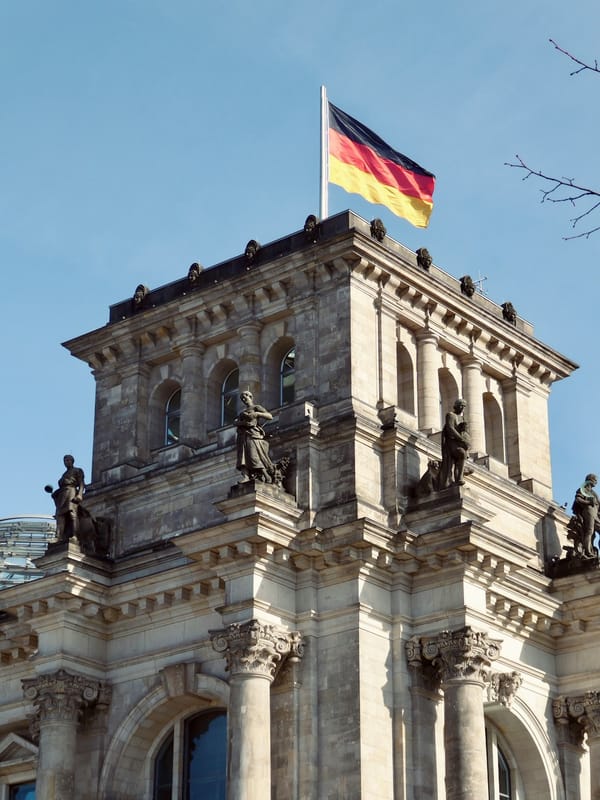
Politics
Germany Security Alert: Weidel Challenges Merz Plan on Migration and Safety
A significant political discussion has emerged in Germany regarding national security and migration policy. Alice Weidel, co-leader of the Alternative for Germany (AfD), has responded to a ten-point plan proposed by the Merz-led federal government. The government released this s…
Read More...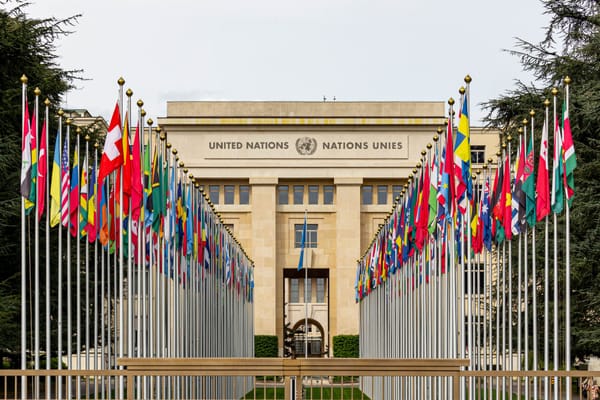
Politics
UN General Assembly 2026: Can Global Leaders Restore Trust Before the Deadline?
Every September New York becomes the heartbeat of global diplomacy. Heads of state and senior diplomats gather at United Nations Headquarters to navigate a complex web of geopolitical tensions and overlapping crises. The 81st session of the UN General Assembly’s High-Level Week…
Read More...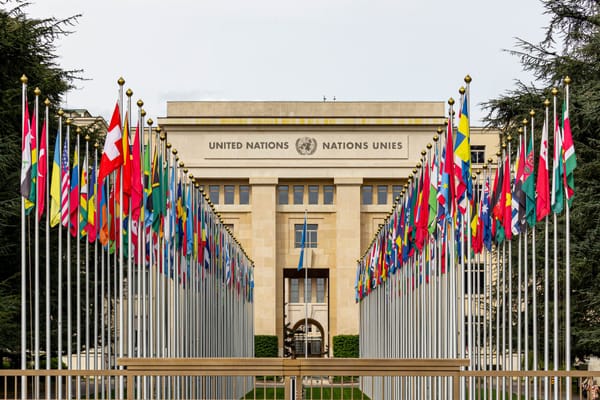
Politics
UN General Assembly 2026: Can Leaders Bridge the Gap Before 2030?
Each September, New York becomes the global stage for diplomacy. Heads of state and senior diplomats gather at United Nations Headquarters to address pressing international issues. The 81st session of the UN General Assembly’s High-Level Week takes place amid rising geopolitical…
Read More...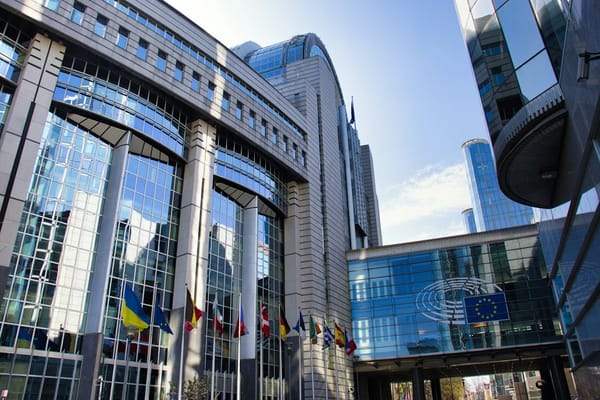
Politics
EU Cuts Red Tape: How Ending Gold-Plating Boosts SME Competitiveness in 2026
The European Commission has launched a decisive campaign to eliminate "gold-plating," a practice where member states add unnecessary regulatory layers beyond EU requirements. This initiative follows President von der Leyen’s 2026 State of the Union Address, which highlighted reg…
Read More...
Politics
Europe's Heat Crisis: How the EU is Rewiring Resilience Against Record Wildfires
The summer of 2026 has served as a stark reminder of Europe’s vulnerability to climate change. Heatwaves, droughts, and wildfires have inflicted substantial damage on public health, agriculture, and infrastructure. As temperatures soar across the continent, the European Commissi…
Read More...
Politics
EU Missions Hit Major Milestones: Cancer Goals Met, Farm Aid Approved, and Key Deals Cleared
The European Commission has unveiled a mid-term assessment that confirms the EU's Mission-driven approach is actively reshaping the continent. Released on September 14, 2026, this report details how scientific innovation under the Horizon Europe programme is turning into practic…
Read More...
Politics
Germany's Fuel Crisis: Why AfD Demands Immediate Tax Cuts Amid Red Sea Chaos
Tino Chrupalla, co-leader of the Alternative for Deutschland (AfD), has issued an urgent call for the German federal government to reduce energy taxes on gasoline and diesel. The statement, released in Berlin on September 13, 2026, highlights the severe economic pressure facing…
Read More...