
Kashmir Protests Turn Deadly: See How Pakistan's Military Leadership Is Being Tested
We compile, generate and translate using Artificial Intelligence from the below given source. Macro Micro News is responsible for its editorial publication.
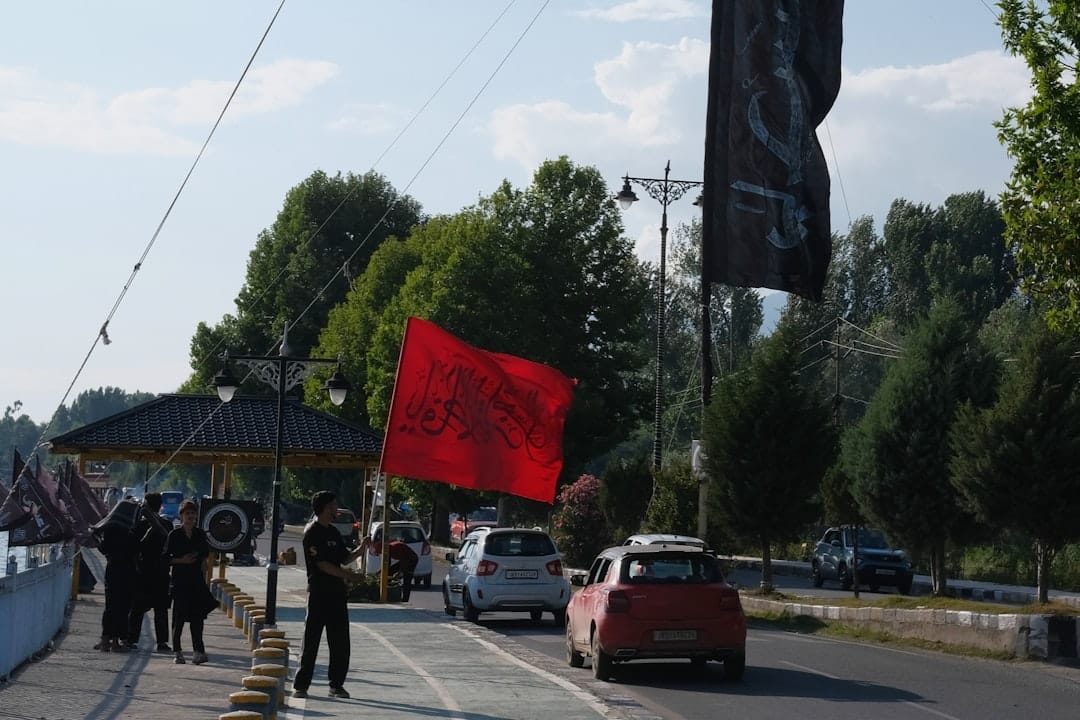
Muzaffarabad, Pakistani-administered Kashmir, MMN Correspondent: The Himalayan region of Kashmir is again at the center of intense political turmoil. Protests have erupted across Pakistani-administered Kashmir, leaving multiple people dead and many more wounded. This wave of unrest is a serious test for Pakistan's military leadership, and it raises a pressing question: Can those in power respond in a way that rebuilds trust and prevents deeper division?
The protests emerged after months of rising food and fuel prices, persistent unemployment, and a growing sense of political disenfranchisement, with religious sensitivities adding to the anger. Demonstrations spread rapidly through Muzaffarabad, Mirpur, and other urban centers, where crowds confronted security forces. Human rights groups have voiced concern over the use of live fire, tear gas, and batons against peaceful demonstrators. Beneath the immediate grievances lies a deeper longing for self-determination, along with frustration that both Pakistan and India have failed to meet the aspirations of the Kashmiri people.
The timing is delicate. Pakistan's military has been in power since the 2022 coup that replaced an elected government. General Asim Munir's leadership has leaned heavily on promises of stability and economic recovery. Unrest in Kashmir, a territory the military has long used as a symbol of nationalist pride, cuts against that story. It also reveals the limits of control, even in a region often described as more loyal than others.
Kashmir has been a flashpoint between India and Pakistan for generations. The region has been split by the Line of Control since 1947, and the two opponents have fought two full-scale wars and countless skirmishes over it. Pakistan has consistently backed the idea of Kashmiri self-determination. India treats Kashmir as part of its own territory. This disagreement continues to fuel a low-intensity insurgency on the Indian side. The current protests on the Pakistani side take a different path. They direct their anger toward Pakistan's own government. That shift is significant, and it may reshape how the Kashmir issue is understood.
This internal dynamic gives the crisis a new character. The demonstrators are not waving flags for an independent Kashmir. They are asking for better governance, economic opportunity, and an end to what they see as the exploitation of their resources by the central state. They are also upset about the dissolution of the legislative assembly and the imposition of direct rule from the capital. With no legitimate political outlet, ordinary Kashmiris appear to have concluded that public protest is the only way to make their voices heard.
The military's response has been heavy. Paramilitary forces have moved into cities, curfews have been imposed, and mobile internet services have been cut in several areas. Witnesses describe a rapid escalation from tear gas to live ammunition. A rising death toll has put the government on the defensive and triggered concern from international observers. In a region where residents already feel profoundly disconnected from the center, harsh tactics can suppress demonstrations for a day without resolving the underlying frustrations.
The economic dimension cannot be ignored. Pakistan is in the middle of a severe economic downturn, with record inflation, a weakening currency, and serious balance of payments pressures. To secure an IMF program, the government has cut fuel and electricity subsidies. These austerity measures have hit low-income communities hardest. Kashmir, already economically marginalized, has felt the squeeze intensely. It is no surprise that the protests are about both livelihood and political rights.
International diplomats are watching closely. The United Nations has asked Pakistan to respect the right to peaceful assembly and to show restraint. The United States and the European Union have released statements urging de-escalation. With limited appetite for foreign intervention, the responsibility falls on Islamabad to open a political conversation. That conversation will need to include local voices, economic reforms, and a credible timeline for restoring representative institutions.
The military leadership now stands at a crossroads. It does not want to appear weak, because other dissident movements could take courage. It also cannot ignore the long-term danger of pushing Kashmiris toward a sustained insurgency. For decades, the military used the Kashmir cause to justify its dominant role in national politics. The same region is now pushing back against the military itself. If the establishment is perceived as an oppressor of Kashmiris, its moral authority suffers a serious blow.
Analysts have suggested possible concessions, such as reopening the legislative assembly or offering a broader economic package. These steps could ease immediate tensions. The deeper demands for political autonomy and an end to military interference would likely remain. Since the military has ruled Pakistan for nearly half of its history, voluntary power-sharing is not a familiar practice. The standoff may therefore continue, and without a genuine political process, the risk of further unrest stays high.
The unrest in Kashmir also mirrors the wider instability inside Pakistan. The country is dealing with a Taliban insurgency in the northwest, sectarian tensions, and an unsettled political system. The military's grip is powerful. It is not absolute. Legitimacy depends on more than enforcement. It depends on the ability to meet the needs and aspirations of ordinary people. Kashmir is a stark reminder that stability cannot last when populations feel ignored.
The next weeks will reveal whether Pakistan's leadership turns toward dialogue or deeper confrontation. A credible political solution could open a path toward accountability, economic recovery, and regional calm. The alternative is more suffering for a population that has already endured too much. Kashmiris have waited a long time to be heard. The world is watching, and the decisions taken now will echo across the region for years to come.
Related in Finance

Finance
American Household Debt Crisis: Why Rising Incomes Hide a Growing Financial Trap
The Federal Reserve Board dropped a major economic report on October 9, 2026. This document comes from the 2025 Survey of Consumer Finances. It offers a detailed look at how American families are managing their money. The survey happens every three years. It tracks ownership bor…
Read More...
Finance
Fed Fines American Express: What This AML Enforcement Means for Your Financial Security
The Federal Reserve Board has taken decisive action against American Express Company, citing serious deficiencies in the financial giant's ability to detect and report suspicious activities linked to money laundering. This regulatory move underscores the increasing scrutiny plac…
Read More...
Finance
Fed Minutes Sept 2026: What the FOMC Revealed About Your Money
The Federal Open Market Committee shared its September 15–16, 2026 meeting minutes on October 7, 2026. These documents offer a detailed look at the economic conditions that shaped policy decisions. They provide critical insights into the monetary trajectory for the United States…
Read More...
Finance
Isabella Bank Acquires Grand River Commerce: What This Michigan Deal Means for Local Banking
The Federal Reserve Board has officially cleared the path for Isabella Bank Corporation to acquire Grand River Commerce, Inc. and its subsidiary, Grand River Bank. Announced on October 5, 2026, this approval marks a significant consolidation event within Michigan's financial sec…
Read More...
Finance
Fleur Capital Acquires Simmesport State Bank: What This Means for Louisiana Banking
The Federal Reserve Board has officially cleared the path for Fleur Capital Corporation to take over Simmesport State Bank. Both institutions call Simmesport, Louisiana home, making this a significant consolidation within the state's regional banking sector. The announcement cam…
Read More...
Finance
Fed Stress Test Rules: How New Transparency Cuts Capital Volatility by 50%
The Federal Reserve Board has officially finalized significant changes to its supervisory stress testing framework. This move marks a pivotal shift toward greater transparency and public accountability while reducing volatility in capital requirements for large banks. Announced…
Read More...
Finance
15 Major Banks Pass Critical Stress Test: What This Means for Financial Stability
The Federal Deposit Insurance Corporation and the Federal Reserve Board have released their latest feedback letters on September 29, 2026. These documents address resolution plans from 15 major banking organizations. The review focused on entities holding more than $250 billion…
Read More...
Finance
Peoples Bancorp and Citizens National Merge: A Strategic Expansion Across State Lines
The Federal Reserve Board has officially announced its approval of a significant banking consolidation, marking a pivotal moment for regional financial institutions in the Ohio and Kentucky regions. On September 25, 2026, the Board granted permission for Peoples Bancorp Inc., he…
Read More...
Finance
Fed's New Stablecoin Rules: What the GENIUS Act Means for Your Digital Wallet
The Federal Reserve has just taken a major step forward in bringing digital assets into the mainstream financial system. By releasing two new proposals under the GENIUS Act framework, they are asking for public feedback on how to regulate payment stablecoins. This move signals t…
Read More...
Finance
BancFirst and Spirit BankCorp: What This Federal Reserve Approval Means for Oklahoma Banking
The Federal Reserve Board has officially announced its approval of a significant banking consolidation within the state of Oklahoma, marking a pivotal moment for regional financial services. On Tuesday, September 22, 2026, the Board confirmed its acceptance of the application su…
Read More...