
NASA IR STIG PRIMA Seminar: Asteroid Defense and Interstellar Dust Insights on Sept 28, 2026
We compile, generate and translate using Artificial Intelligence from the below given source. Macro Micro News is responsible for its editorial publication.
Global, Source:
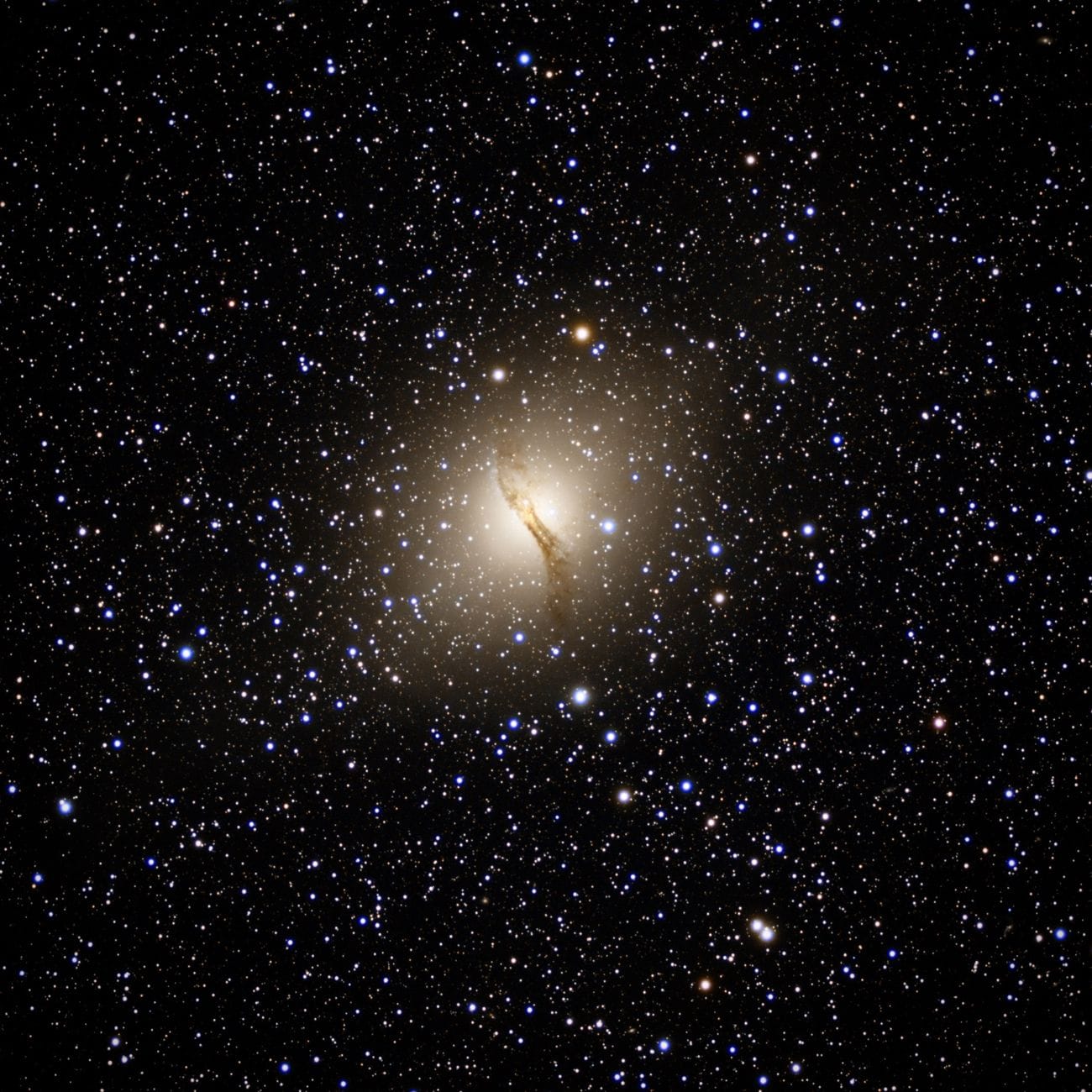
NASA’s Cosmic Origins program is preparing for a significant virtual gathering on September 28, 2026. This event forms part of the Infrared Science and Technology Interest Group (IR STIG) series and showcases the scientific achievements of the Planetary Intermediates in Multidisciplinary Astrophysics (PRIMA) initiative. The focus rests on two major areas of study: planetary defense and the evolution of interstellar dust. Leading experts will present their work using infrared technology to explore the formation of our solar system and broader cosmic phenomena.
Joseph Masiero from the California Institute of Technology/IPAC will lead the first presentation. He addresses the critical need for planetary defense through thermal infrared imaging. Visible-light surveys have traditionally been the standard for detecting near-Earth asteroids. These methods often face challenges in accurately determining the size and composition of these objects. Masiero will share findings from the 14.5-year NEOWISE mission. This mission demonstrated that time-domain imaging in the thermal infrared offers deeper sensitivity and more precise size estimates based on thermal emission models. Such capabilities are essential for identifying hazardous asteroids that might pose impact risks to Earth. Masiero will also outline strategic plans for the upcoming NEO Surveyor mission. This mission aims to detect and characterize the majority of large hazardous asteroids to enhance global preparedness against cosmic threats.
The second session features Leonor Arriscado from the Centro de Astrobiología in Spain. She will explore the role of Polycyclic Aromatic Hydrocarbons (PAHs) in galaxy evolution. PAHs are complex organic molecules that serve as major components of interstellar dust. They produce prominent infrared emission features sensitive to the physical conditions of the interstellar medium. Understanding how PAH abundance and properties vary across different galactic environments provides vital insights into star formation and the lifecycle of matter in the universe. Arriscado will present studies on how PAHs probe galaxy properties and emphasize the necessity for systematic observations. She will highlight synergies between PRIMA and flagship facilities like the James Webb Space Telescope (JWST) and ALMA. These collaborations enable comprehensive studies of PAH emission across various redshifts and cosmic epochs.
This seminar highlights the growing importance of infrared astronomy in both protecting Earth and understanding the chemical history of the cosmos. By combining data from past missions like NEOWISE with future endeavors like NEO Surveyor and JWST, scientists are building a more complete picture of the dynamic processes that shape our universe. The event serves as a key touchpoint for the astronomical community, fostering collaboration and advancing the technological tools necessary for discovery.
Related in Scientific Research

Scientific Research
PLOS Climate: Navigating Broken Links to Access Critical Global Warming Research
The digital landscape of scientific publishing is shifting rapidly. For researchers and enthusiasts alike, the ability to access peer-reviewed work without barriers is essential. PLOS, a nonprofit based in California, has long championed open access. Their journal PLOS Climate f…
Read More...
Scientific Research
How PLOS Climate Is Reshaping Global Science: The Open Access Advantage
In the fast-moving world of scientific communication, open access journals are doing more than just sharing papers. They are breaking down walls that have long kept knowledge out of reach. PLOS Climate stands at the center of this shift. As a key part of the Public Library of Sc…
Read More...
Scientific Research
PLOS Climate: How Open Science is Reshaping Global Data Access
The digital landscape of scientific publishing is undergoing a profound transformation. This shift is driven by the urgent need for transparency and rapid dissemination of critical research. PLOS Climate stands at the forefront of this movement. It is a specialized journal dedic…
Read More...
Scientific Research
PLOS Climate 404 Errors: How Link Rot Threatens Scientific Trust and What You Can Do
The digital landscape of scientific communication is shifting rapidly. For researchers, policymakers, and educators, the integrity of open-access journals like PLOS Climate is not just a convenience but a necessity. Yet, even the most robust platforms face technical hurdles. A r…
Read More...
Scientific Research
PLOS Climate: How Open Access is Reshaping Global Warming Solutions
The landscape of scientific publishing is shifting beneath our feet. Accessibility and transparency are no longer just nice-to-have features; they are the bedrock upon which we address the most pressing challenges of our time. The Public Library of Science (PLOS), a nonprofit ba…
Read More...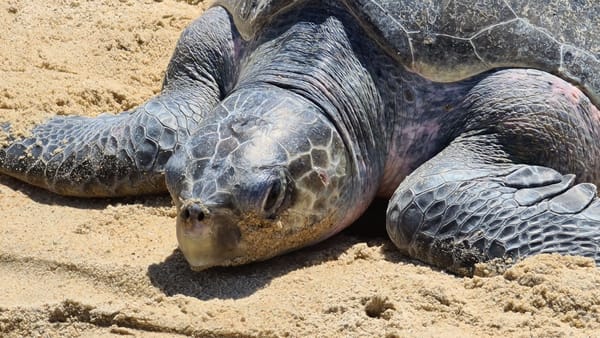
Scientific Research
California Beaches See First Olive Ridley Nesting: What This Means for Sea Turtle Conservation
Marine biologists are witnessing a historic shift in ocean ecology. On September 16, 2026, an olive ridley sea turtle laid eggs on a beach near Seal Beach in Orange County, California. This event marks the first confirmed nesting of this species on the U.S. West Coast. Historica…
Read More...
Scientific Research
PLOS Climate: Why Broken Links Threaten Global Science Access
The digital landscape of scientific communication is shifting beneath our feet. As climate research accelerates, the integrity and accessibility of this data have become paramount. Specialized journals like PLOS Climate face constant challenges regarding content availability and…
Read More...
Scientific Research
Why Climate Data Links Fail: The Open Access Fix You Need Now
Imagine clicking a link to the latest climate study only to hit a dead end. That frustrating 'Page Not Found' error is more than a technical glitch. It represents a significant barrier in the fight against misinformation and delayed action. When vital research on global warming…
Read More...
Scientific Research
What Color Is the Universe? The Surprising Beige Answer from Johns Hopkins
For centuries humanity has gazed into the night sky captivated by vibrant nebulae and dying stars. Yet a deceptively simple question remains elusive to the naked eye. What is the average color of the entire universe? The answer defies expectations of deep cosmic blues or brillia…
Read More...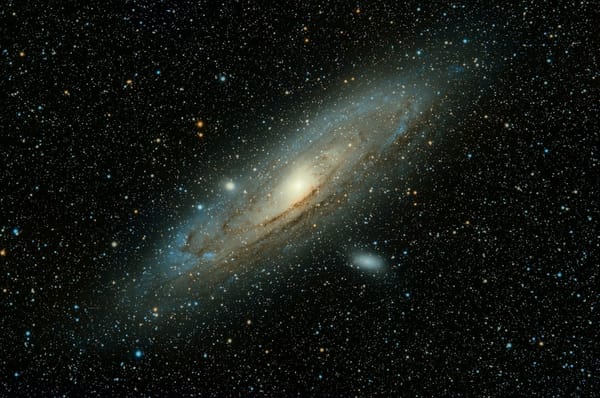
Scientific Research
How Astronomers Rebuilt Andromeda Without Photoshop: The 223-Exposure Secret to Clarity
The Andromeda Galaxy, scientifically designated as M31, looms as our nearest major galactic neighbor. It offers a profound window into the structure and scale of our local universe. Yet capturing its true essence remains a formidable challenge for both amateur and professional a…
Read More...