
UK AI Defense Pact: What Burnham Revealed at the UN
We compile, generate and translate using Artificial Intelligence from the below given source. Macro Micro News is responsible for its editorial publication.

New York, United States, Source:
On September 23, 2026, Prime Minister Andy Burnham took the stage at the United Nations General Assembly to outline a bold new direction for British foreign policy. His address marked a significant moment as he presented a comprehensive strategy aimed at combating disinformation and establishing global standards for artificial intelligence. The speech signaled Britain's return to the international spotlight with a renewed emphasis on stability, security, and technological governance.
Burnham described an industrial-scale assault by hostile actors, particularly Russian agencies, which have used bots, fake websites, and falsified news articles to spread lies and exploit societal fears. He cited evidence of interference in the 2019 general election and the stoking of tensions following tragic events in Southport. According to Burnham, the Kremlin spends approximately £1.3 billion annually on information manipulation. To counter these threats, the UK announced the creation of a new National Centre for Information Defence. This entity will be tasked with detecting, attributing, and disrupting hostile state-sponsored information attacks while supporting democratic resilience. The UK also pledged to share its expertise with other nations, having previously assisted Moldova in safeguarding its elections from similar interference.
On the front of artificial intelligence, Burnham described Frontier AI as one of the most significant challenges and opportunities of the age. He announced a new AI defence partnership with the United States aimed at protecting critical national infrastructure. Stressing that fundamental decisions regarding AI must be made by elected governments rather than left to chance, he called for a single set of global principles and standards to ensure transparency, safety, and preparedness. The UK intends to place AI at the heart of its G20 presidency next year, aiming to replicate the successful collaborative approach taken during the 2008 financial crisis.
Beyond technology and information security, the address touched upon broader geopolitical commitments. Burnham reaffirmed support for Ukraine, highlighting recent legislative measures to increase costs for Russia and protect Ukrainian energy infrastructure ahead of winter. He also addressed the Middle East, condemning the October 7 attacks while criticizing Israeli actions in Gaza and West Bank settlements that threaten the viability of a two-state solution. The UK has since banned trade in goods from illegal settlements and sanctioned those involved in their construction. Emphasizing the role of the UN in tackling shared challenges like climate change and pandemics, Burnham positioned the UK as an honest broker capable of uniting diverse partners, from the US and EU to emerging powers like India and Brazil, to foster a more secure and equitable future.
Related in Politics
Politics
Germany's Growth Mirage: Weidel Exposes the Debt Trap Behind Official Projections
The German federal government recently unveiled its autumn economic projections for October 2026, highlighting a projected growth rate of 1.3 percent for the current year. This optimistic forecast suggests a notable upswing in national economic activity. However, Alice Weidel, c…
Read More...
Politics
EU-Mexico Trade Alliance 2026: How This Partnership Is Reshaping Global Supply Chains
The European Union and Mexico have always been strong partners in multilateral cooperation. By September 2026 their relationship has become a key test for global economic resilience. Trade tensions are rising in many parts of the world. The EU-Mexico partnership offers stability…
Read More...
Politics
Ireland's EU Presidency: How Humanitarian Aid and Preparedness Build a Safer Future
As Ireland takes the helm of the Council of the European Union, Commissioner Lahbib highlights a pivotal moment for global engagement. Europe now faces a dual mandate that requires both moral leadership through humanitarian aid and strengthened internal resilience against a comp…
Read More...
Politics
Saxony-Anhalt Breaks Tradition: AfD's Tobias Rausch Takes Landtag Presidency
German politics witnessed a defining moment on October 6, 2026, when the newly constituted state parliament of Saxony-Anhalt elected Tobias Rausch as its Landtag President. This event marks the first time in the history of the Federal Republic that a member of the Alternative fo…
Read More...
Politics
Von der Leyen's Balkan Strategy: Why EU Expansion is a Mutual Transformation
Ursula von der Leyen has made it clear that the European Union’s path forward involves more than just opening borders. Her recent visits to the Western Balkans highlight a strategic shift where enlargement is treated as a mutual transformation rather than a one-sided gift from B…
Read More...
Politics
EU-Mexico Trade Shift 2026: What Nearshoring and Green Tech Mean for Your Business
The relationship between the European Union and Mexico is undergoing a significant transformation as we navigate through 2026. This partnership has evolved from traditional trade agreements into a robust framework focused on sustainable development digital innovation and diploma…
Read More...
Politics
Germany's 52% State Share: What This Record Means for Your Wallet and Economy
In early October 2026, Germany reached a notable economic milestone. The federal government projected a state share of 52 percent for the current year. This figure marks a new all-time high. It signals a substantial shift in how public expenditure relates to national economic ou…
Read More...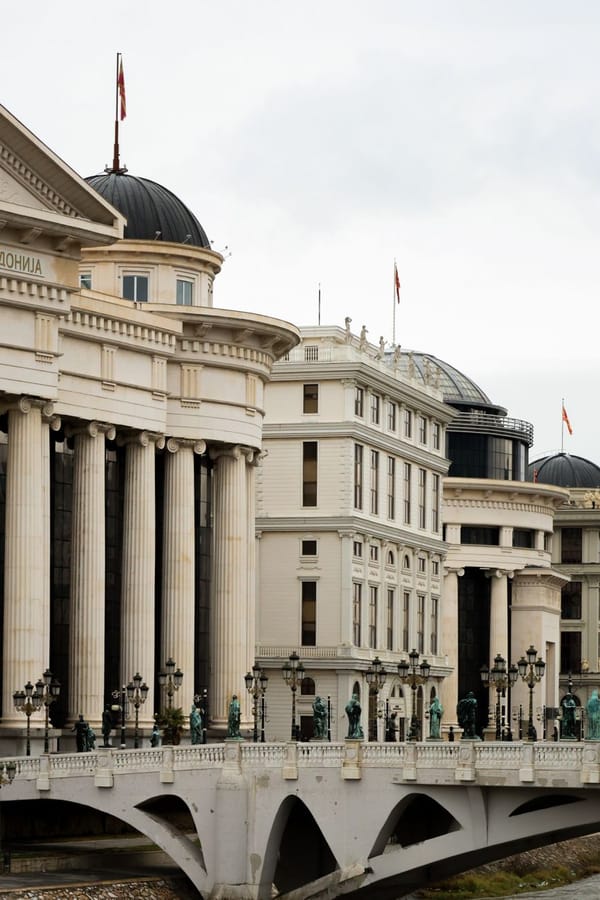
Politics
North Macedonia's EU Path: Security, Economy, and Institutional Readiness
In a significant diplomatic engagement held in Skopje, European leadership reaffirmed its commitment to North Macedonia’s accession to the European Union, highlighting the nation’s pivotal role in regional security and economic stability. The dialogue underscored North Macedonia…
Read More...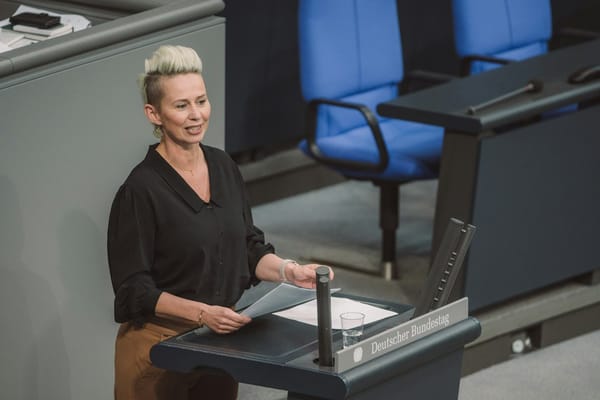
Politics
Germany's Subsidy Crisis: Why Taxpayers Are Demanding Fiscal Reform Now
In October 2026, the Bund der Steuerzahler released its annual "Black Book," a detailed report exposing state-funded waste and inefficient subsidy programs across Germany. This publication has sparked a significant conversation about fiscal responsibility, revealing how public f…
Read More...
Politics
Brussels Confirms €45 Billion Ukraine Aid Package for 2027: What This Means for Your Future
The European Commission and Ukraine have just released a joint statement that signals a major shift in how financial support is structured. Announced on October 1, 2026, this move reinforces transatlantic solidarity while addressing Kyiv's urgent financial needs. The question no…
Read More...