
UN General Assembly 2026: AI Governance and Migration at a Critical Crossroads
We compile, generate and translate using Artificial Intelligence from the below given source. Macro Micro News is responsible for its editorial publication.
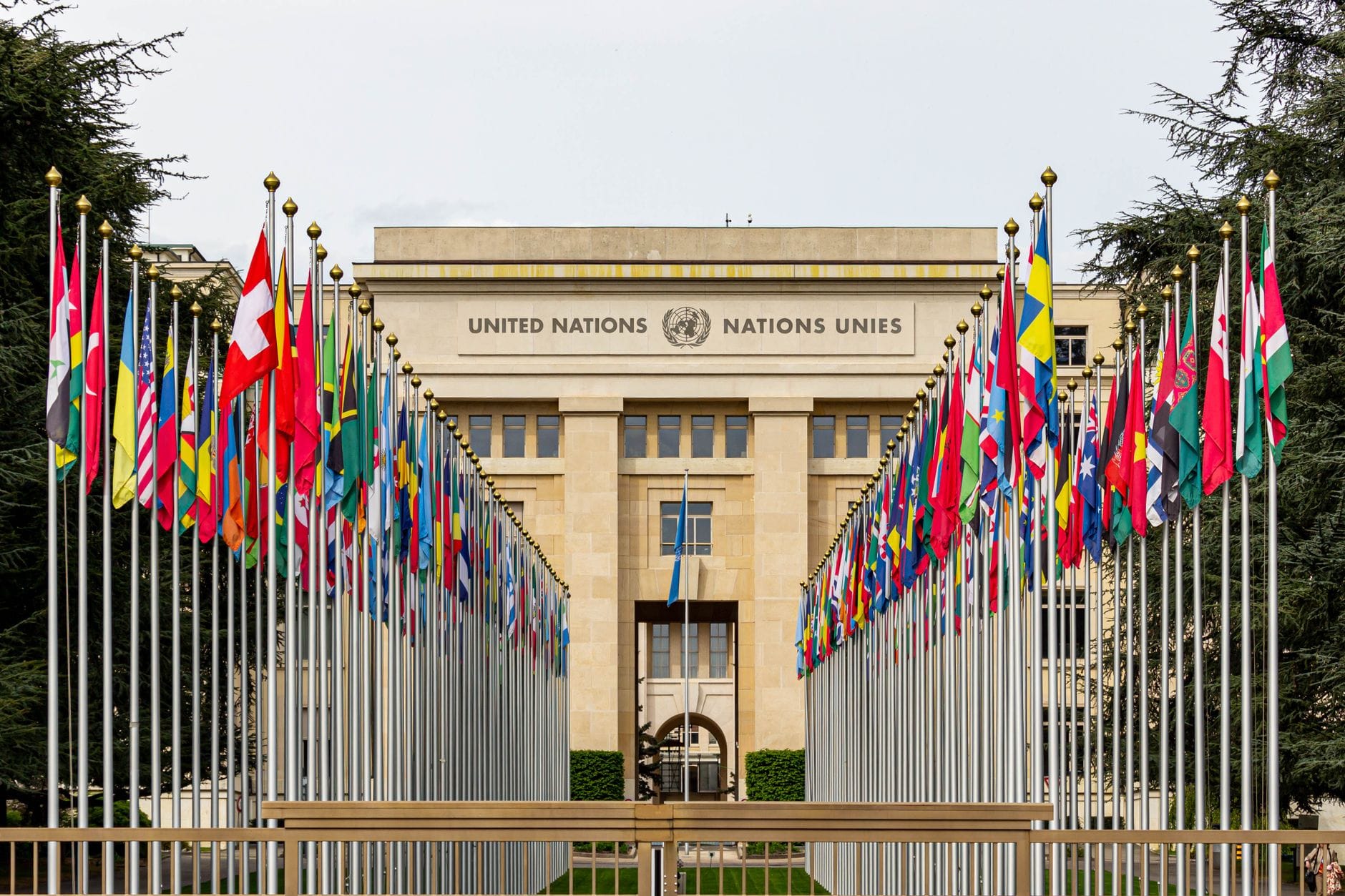
New York, United States, Source:
The United Nations General Assembly reached its fifth day of high-level debate on September 27, 2026. World leaders confronted two defining challenges of the twenty-first century. These were the rapid ascent of artificial intelligence and the complex realities of global migration. The central dilemma facing heads of state was how to harness profound technological and social transformations without exacerbating existing divisions between nations and communities.
Artificial intelligence emerged as a dominant theme. Speakers characterized it as a technology with dual potential for immense benefit and serious peril. While AI promises to transform economies and improve public health, it also threatens to widen inequality, undermine social trust, and destabilize security architectures. China’s Vice President Han Zheng emphasized that AI development must serve the public good. He called for concerted efforts to bridge the digital divide. Singapore’s Foreign Minister Vivian Balakrishnan described AI as the most urgent frontier. He urged governments to invest in infrastructure and skills while maintaining rigorous safeguards. His message underscored a fundamental principle. Human beings must remain in control and accountable for AI outcomes.
Significant concerns were raised regarding who gets to shape the future of this technology. Several delegates warned that the AI revolution risks replicating historical power imbalances. Decision-making remains concentrated in a few technologically advanced nations. Jamaica’s Foreign Minister Kamina Johnson Smith cautioned against allowing AI to deepen old inequalities or create new global divides. She advocated for investment in developing countries’ capacity. Malaysia’s Foreign Minister Mohamad Haji Hasan pointedly questioned why the Global South should merely host data centers while decisions are made elsewhere. Belize’s Prime Minister John Briceño noted that well-governed AI could expand access to knowledge. Poor governance could leave developing nations dependent on foreign rules and technologies.
The pace of technological evolution continues to outstrip regulatory frameworks. Moldova’s Prime Minister Vasile Tofan highlighted that technology is moving faster than regulation almost everywhere. This widens the gap between innovation and oversight. Germany’s Foreign Minister Johann Wadephul illustrated the stakes. He noted that while AI could help prevent famine and cure cancer, it could also disrupt economies and threaten peace if misused. He asserted that whenever power becomes global, responsibility must become global too.
Beyond technology, the movement of people tested international solidarity. Djibouti appealed for assistance as refugees from Yemen strained its resources. The Holy See called for an end to the suffering of stateless Rohingya. Tunisia urged nations to address root causes like conflict and poverty rather than treating migration solely as a security issue. The Philippines stressed that migrant workers deserve human rights protection regardless of status.
Looking ahead, Zambia’s Foreign Minister Mulambo Hamakuni Haimbe framed Africa’s youthful population not as a crisis but as an asset. With one in four young people worldwide projected to be African by 2050, he argued that education, entrepreneurship, and decent jobs will determine whether this demographic shift drives global prosperity. As the General Assembly prepares for its final day, these debates highlight the urgent need for inclusive governance in an era of rapid change.
Related in Politics
Politics
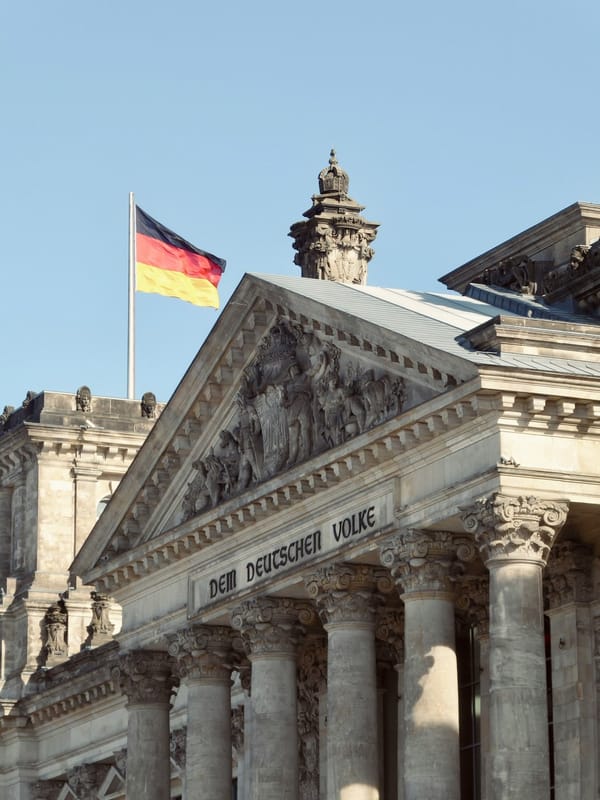
Germany's Growth Mirage: Weidel Exposes the Debt Trap Behind Official Projections
The German federal government recently unveiled its autumn economic projections for October 2026, highlighting a projected growth rate of 1.3 percent for the current year. This optimistic forecast suggests a notable upswing in national economic activity. However, Alice Weidel, c…
Read More...
Politics
EU-Mexico Trade Alliance 2026: How This Partnership Is Reshaping Global Supply Chains
The European Union and Mexico have always been strong partners in multilateral cooperation. By September 2026 their relationship has become a key test for global economic resilience. Trade tensions are rising in many parts of the world. The EU-Mexico partnership offers stability…
Read More...
Politics
Ireland's EU Presidency: How Humanitarian Aid and Preparedness Build a Safer Future
As Ireland takes the helm of the Council of the European Union, Commissioner Lahbib highlights a pivotal moment for global engagement. Europe now faces a dual mandate that requires both moral leadership through humanitarian aid and strengthened internal resilience against a comp…
Read More...
Politics
Saxony-Anhalt Breaks Tradition: AfD's Tobias Rausch Takes Landtag Presidency
German politics witnessed a defining moment on October 6, 2026, when the newly constituted state parliament of Saxony-Anhalt elected Tobias Rausch as its Landtag President. This event marks the first time in the history of the Federal Republic that a member of the Alternative fo…
Read More...
Politics
Von der Leyen's Balkan Strategy: Why EU Expansion is a Mutual Transformation
Ursula von der Leyen has made it clear that the European Union’s path forward involves more than just opening borders. Her recent visits to the Western Balkans highlight a strategic shift where enlargement is treated as a mutual transformation rather than a one-sided gift from B…
Read More...
Politics
EU-Mexico Trade Shift 2026: What Nearshoring and Green Tech Mean for Your Business
The relationship between the European Union and Mexico is undergoing a significant transformation as we navigate through 2026. This partnership has evolved from traditional trade agreements into a robust framework focused on sustainable development digital innovation and diploma…
Read More...
Politics
Germany's 52% State Share: What This Record Means for Your Wallet and Economy
In early October 2026, Germany reached a notable economic milestone. The federal government projected a state share of 52 percent for the current year. This figure marks a new all-time high. It signals a substantial shift in how public expenditure relates to national economic ou…
Read More...
Politics
North Macedonia's EU Path: Security, Economy, and Institutional Readiness
In a significant diplomatic engagement held in Skopje, European leadership reaffirmed its commitment to North Macedonia’s accession to the European Union, highlighting the nation’s pivotal role in regional security and economic stability. The dialogue underscored North Macedonia…
Read More...
Politics
Germany's Subsidy Crisis: Why Taxpayers Are Demanding Fiscal Reform Now
In October 2026, the Bund der Steuerzahler released its annual "Black Book," a detailed report exposing state-funded waste and inefficient subsidy programs across Germany. This publication has sparked a significant conversation about fiscal responsibility, revealing how public f…
Read More...
Politics
Brussels Confirms €45 Billion Ukraine Aid Package for 2027: What This Means for Your Future
The European Commission and Ukraine have just released a joint statement that signals a major shift in how financial support is structured. Announced on October 1, 2026, this move reinforces transatlantic solidarity while addressing Kyiv's urgent financial needs. The question no…
Read More...