
UN General Assembly 2026: Can Leaders Bridge the Gap Before 2030?
We compile, generate and translate using Artificial Intelligence from the below given source. Macro Micro News is responsible for its editorial publication.
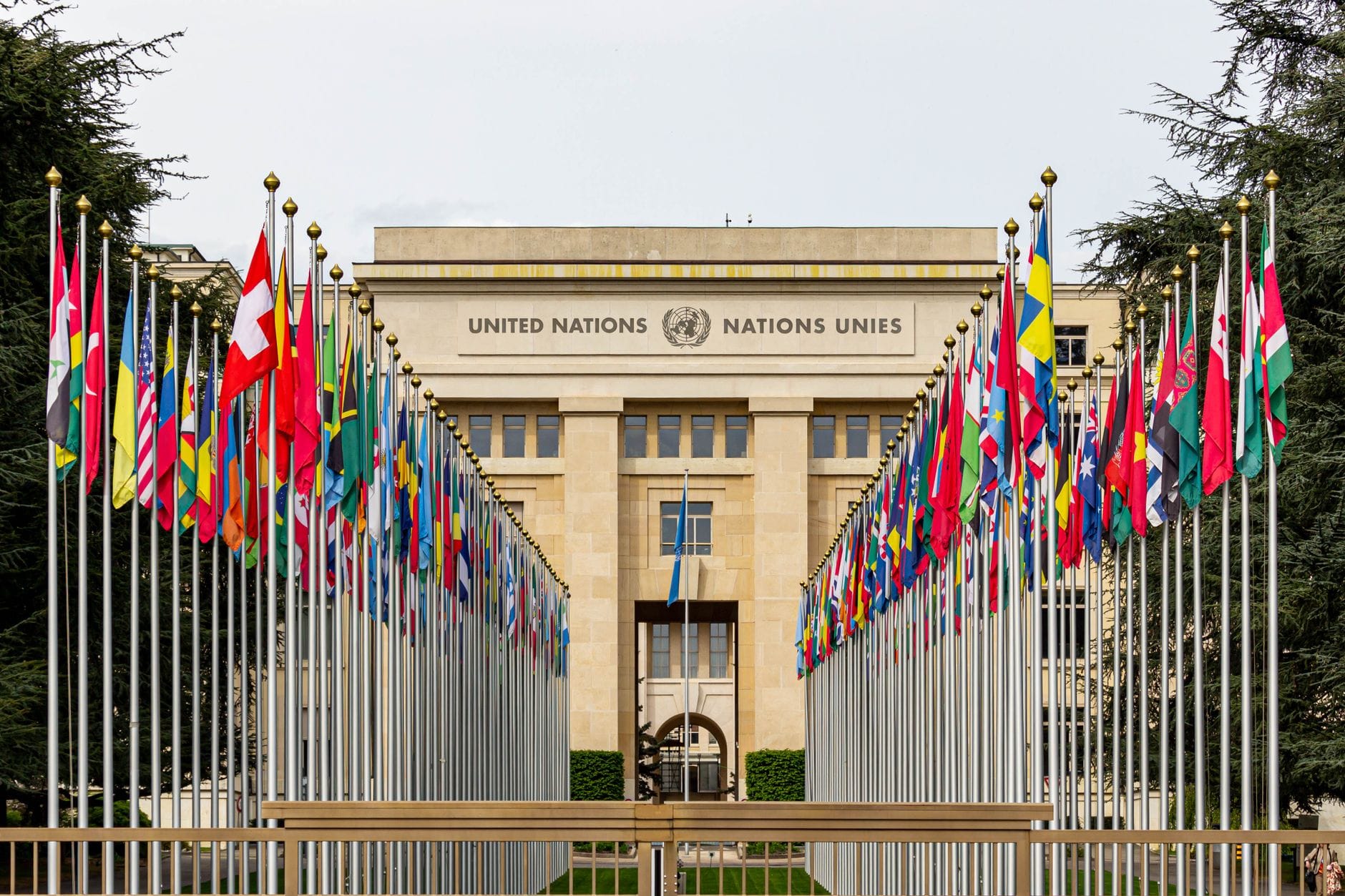
New York, United States, Source:
Each September, New York becomes the global stage for diplomacy. Heads of state and senior diplomats gather at United Nations Headquarters to address pressing international issues. The 81st session of the UN General Assembly’s High-Level Week takes place amid rising geopolitical tensions and overlapping crises. Under the theme “Restoring trust, managing transformation: A United Nations that delivers for all,” the session is led by the newly elected President of Bangladesh. This marks a significant moment for multilateral cooperation.
The General Debate begins on 22 September. Representatives from all 193 UN Member States will speak from the iconic green marble podium. These speeches reveal national priorities, covering topics like international security, economic stability, humanitarian emergencies, and emerging technologies. However, much of the real diplomatic work happens behind closed doors. Hundreds of bilateral and multilateral meetings allow leaders to engage with allies, partners, and rivals simultaneously.
A key focus ahead of the debate is assessing progress toward the Sustainable Development Goals (SDGs). Adopted in 2015, these 17 goals aim to eradicate poverty, ensure quality education, and provide clean energy by 2030. With less than five years remaining, the UN reports that progress on half of all SDG targets is weak or insufficient. Leaders are encouraged to identify practical, scalable solutions to bridge this gap before the deadline.
Climate action remains a critical agenda item. On 23 September, world leaders will convene for a high-level event on climate change. The focus will be on accelerating the transition to renewable energy, expanding climate finance for developing nations, and supporting communities already affected by environmental impacts. Discussions will also address sea-level rise, an existential threat to small island developing states and low-lying coastal regions. Urgent international cooperation is needed to protect infrastructure and freshwater supplies.
Health security and human rights also take center stage. On 25 September, leaders will revisit lessons from the recent pandemic. The goal is to strengthen health systems and ensure equitable access to vaccines and medicines in future crises. Additionally, the week commemorates significant anniversaries. These include the 40th anniversary of the Declaration on the Right to Development and the 25th anniversary of the Durban Declaration and Programme of Action against racism. These events highlight ongoing efforts to combat discrimination and promote inclusive development.
The series of major meetings concludes on 29 September with a plenary marking the International Day for Nuclear Disarmament. Despite being one of the UN’s earliest priorities, nuclear weapons remain a global security concern. Complete elimination stands as the Organization’s highest disarmament goal.
This year’s assembly carries added significance as it marks the final General Assembly session under Secretary-General António Guterres. His second term ends on 31 December 2026. His successor will assume office on 1 January 2027, inheriting an organization facing complex challenges. Reflecting on the UN Charter’s opening words, “We the peoples,” Guterres emphasized that humanity is safer and stronger when united. As leaders gather in New York, the world watches to see if political will can translate into tangible action to restore trust and manage global transformation.
Related in Politics
Politics
EU Strategy 2026: How Tech Capital and Active Lifestyles Are Reshaping Europe's Future
The European Commission has unveiled a dual-track strategy for 2026 that targets both economic resilience and social well-being. By strengthening technological infrastructure while promoting healthier lifestyles, the EU aims to align policy with public sentiment amidst global un…
Read More...
Politics
EU September 2026 Update: Data Centers, Customs, and Arctic Resilience
The European Commission has introduced a common rating scheme for data centers to enhance transparency regarding energy and water consumption. This initiative supports Europe's push for technological independence while addressing the environmental impacts of rapid digital expans…
Read More...
Politics
Guimarães Summit: Europe’s $180B Climate Strategy for COP31
The historic city of Guimarães has become the focal point for a critical dialogue on clean growth and sustainable development. As the European Green Capital, this gathering serves as a vital precursor to COP31, emphasizing the urgent need to align climate action with economic st…
Read More...
Politics
EU Deploys €489M to Rebuild Southern Europe After Winter Storms: What’s Next for Portugal, Spain, Italy & Malta?
The European Commission has stepped forward with a decisive financial response, announcing a €489 million aid package aimed at helping Portugal, Spain, Italy, and Malta recover from the severe weather events that battered the region in January and February 2026. This significant…
Read More...
Politics
Germany Security Alert: Weidel Challenges Merz Plan on Migration and Safety
A significant political discussion has emerged in Germany regarding national security and migration policy. Alice Weidel, co-leader of the Alternative for Germany (AfD), has responded to a ten-point plan proposed by the Merz-led federal government. The government released this s…
Read More...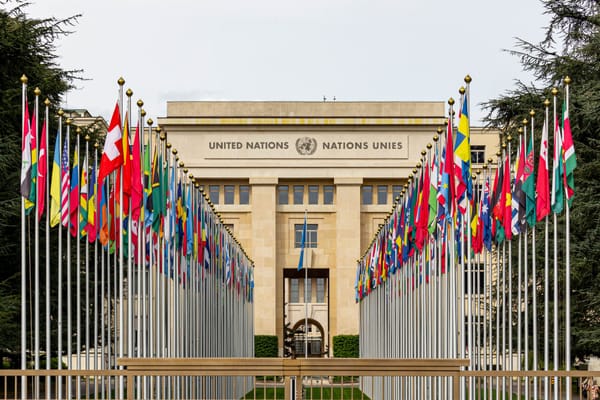
Politics
UN General Assembly 2026: Can Global Leaders Restore Trust Before the Deadline?
Every September New York becomes the heartbeat of global diplomacy. Heads of state and senior diplomats gather at United Nations Headquarters to navigate a complex web of geopolitical tensions and overlapping crises. The 81st session of the UN General Assembly’s High-Level Week…
Read More...
Politics
EU Cuts Red Tape: How Ending Gold-Plating Boosts SME Competitiveness in 2026
The European Commission has launched a decisive campaign to eliminate "gold-plating," a practice where member states add unnecessary regulatory layers beyond EU requirements. This initiative follows President von der Leyen’s 2026 State of the Union Address, which highlighted reg…
Read More...
Politics
Europe's Heat Crisis: How the EU is Rewiring Resilience Against Record Wildfires
The summer of 2026 has served as a stark reminder of Europe’s vulnerability to climate change. Heatwaves, droughts, and wildfires have inflicted substantial damage on public health, agriculture, and infrastructure. As temperatures soar across the continent, the European Commissi…
Read More...
Politics
EU Missions Hit Major Milestones: Cancer Goals Met, Farm Aid Approved, and Key Deals Cleared
The European Commission has unveiled a mid-term assessment that confirms the EU's Mission-driven approach is actively reshaping the continent. Released on September 14, 2026, this report details how scientific innovation under the Horizon Europe programme is turning into practic…
Read More...
Politics
Germany's Fuel Crisis: Why AfD Demands Immediate Tax Cuts Amid Red Sea Chaos
Tino Chrupalla, co-leader of the Alternative for Deutschland (AfD), has issued an urgent call for the German federal government to reduce energy taxes on gasoline and diesel. The statement, released in Berlin on September 13, 2026, highlights the severe economic pressure facing…
Read More...