
UN General Assembly Day 2: Why Security Council Reform Is No Longer Optional
We compile, generate and translate using Artificial Intelligence from the below given source. Macro Micro News is responsible for its editorial publication.
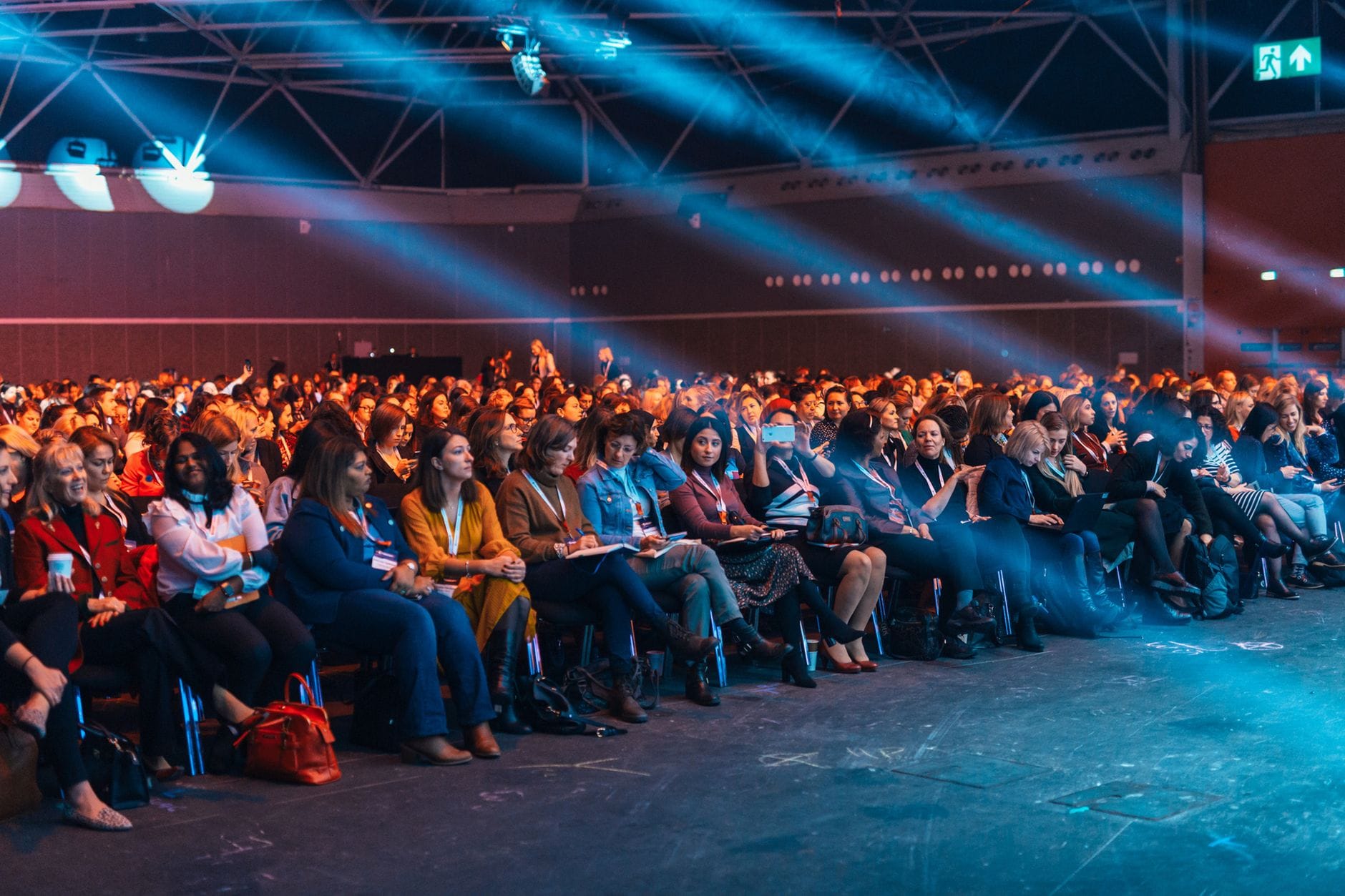
New York, United States, Source:
The second day of the United Nations General Assembly’s annual high-level debate in September 2026 revealed a world deeply fractured by conflict yet increasingly aware of its interconnected vulnerabilities. World leaders utilized the platform to offer sharply divergent assessments of the Organization’s efficacy highlighting a growing tension between the need for collective security and the realities of modern geopolitical instability.
A central theme of the day was the enduring war in Ukraine which leaders described as a critical test of the UN’s relevance and the international order established after World War II. Ukrainian President Volodymyr Zelenskyy provided stark figures stating that Russian forces had suffered nearly 250,000 casualties between January and August 2026 alone. Baltic leaders amplified these concerns with Estonia’s President Alar Karis labeling the aggression one of the most significant challenges to global stability particularly regarding attacks on Black Sea ports that threaten worldwide food supplies. Latvia’s President Edgars Rinkēvičs warned that the conflict’s ripple effects extend far beyond regional borders emphasizing that instability in Ukraine inevitably impacts global security.
Beyond Europe the debate underscored how distant conflicts generate immediate local consequences. Dominican President Luis Abinader noted that wars in Europe and the Middle East directly drive up food and energy prices in the Caribbean while also pointing to the destabilizing influence of criminal networks in Haiti. In the Middle East Iran’s President Masoud Pezeshkian condemned recent attacks on his country and accused the international community of applying double standards regarding nuclear capabilities contrasting Iran’s situation with Israel’s actions in Gaza. Meanwhile tensions in the Great Lakes region were highlighted by opposing accounts from Rwanda and the Democratic Republic of the Congo regarding the M23 rebel group’s control over key cities like Goma and Bukavu though both nations expressed a desire for peaceful resolution.
Amidst the turmoil some leaders offered narratives of recovery and cooperation. Syrian President Ahmad Al-Sharaa declared that Syria is rising citing reconstruction efforts and the return of 3.5 million refugees. Libya’s Mohamed Al-Menfi called for the Mediterranean to serve as a bridge for trade and security while Uzbekistan’s Saida Mirziyoyeva highlighted improved relations among Central Asian states. Cyprus’s Nikos Christodoulides urged substantive negotiations for the island's future within a UN framework.
However the most structural challenge addressed was the call for reform of the UN Security Council. African leaders renewed their demand for representation that reflects current global demographics rather than the power dynamics of 1945. Kenya’s President William Ruto pointed out that Africa’s 54 countries constitute nearly a quarter of UN membership yet hold no permanent seat. Eswatini’s King Mswati III echoed this sentiment calling for fair representation and greater support for African-led peace initiatives. As the debate continued the consensus remained clear: while the UN faces severe tests it remains an indispensable forum for dialogue in an increasingly volatile world.
Related in Politics
Politics
Germany's Growth Mirage: Weidel Exposes the Debt Trap Behind Official Projections
The German federal government recently unveiled its autumn economic projections for October 2026, highlighting a projected growth rate of 1.3 percent for the current year. This optimistic forecast suggests a notable upswing in national economic activity. However, Alice Weidel, c…
Read More...
Politics
EU-Mexico Trade Alliance 2026: How This Partnership Is Reshaping Global Supply Chains
The European Union and Mexico have always been strong partners in multilateral cooperation. By September 2026 their relationship has become a key test for global economic resilience. Trade tensions are rising in many parts of the world. The EU-Mexico partnership offers stability…
Read More...
Politics
Ireland's EU Presidency: How Humanitarian Aid and Preparedness Build a Safer Future
As Ireland takes the helm of the Council of the European Union, Commissioner Lahbib highlights a pivotal moment for global engagement. Europe now faces a dual mandate that requires both moral leadership through humanitarian aid and strengthened internal resilience against a comp…
Read More...
Politics
Saxony-Anhalt Breaks Tradition: AfD's Tobias Rausch Takes Landtag Presidency
German politics witnessed a defining moment on October 6, 2026, when the newly constituted state parliament of Saxony-Anhalt elected Tobias Rausch as its Landtag President. This event marks the first time in the history of the Federal Republic that a member of the Alternative fo…
Read More...
Politics
Von der Leyen's Balkan Strategy: Why EU Expansion is a Mutual Transformation
Ursula von der Leyen has made it clear that the European Union’s path forward involves more than just opening borders. Her recent visits to the Western Balkans highlight a strategic shift where enlargement is treated as a mutual transformation rather than a one-sided gift from B…
Read More...
Politics
EU-Mexico Trade Shift 2026: What Nearshoring and Green Tech Mean for Your Business
The relationship between the European Union and Mexico is undergoing a significant transformation as we navigate through 2026. This partnership has evolved from traditional trade agreements into a robust framework focused on sustainable development digital innovation and diploma…
Read More...
Politics
Germany's 52% State Share: What This Record Means for Your Wallet and Economy
In early October 2026, Germany reached a notable economic milestone. The federal government projected a state share of 52 percent for the current year. This figure marks a new all-time high. It signals a substantial shift in how public expenditure relates to national economic ou…
Read More...
Politics
North Macedonia's EU Path: Security, Economy, and Institutional Readiness
In a significant diplomatic engagement held in Skopje, European leadership reaffirmed its commitment to North Macedonia’s accession to the European Union, highlighting the nation’s pivotal role in regional security and economic stability. The dialogue underscored North Macedonia…
Read More...
Politics
Germany's Subsidy Crisis: Why Taxpayers Are Demanding Fiscal Reform Now
In October 2026, the Bund der Steuerzahler released its annual "Black Book," a detailed report exposing state-funded waste and inefficient subsidy programs across Germany. This publication has sparked a significant conversation about fiscal responsibility, revealing how public f…
Read More...
Politics
Brussels Confirms €45 Billion Ukraine Aid Package for 2027: What This Means for Your Future
The European Commission and Ukraine have just released a joint statement that signals a major shift in how financial support is structured. Announced on October 1, 2026, this move reinforces transatlantic solidarity while addressing Kyiv's urgent financial needs. The question no…
Read More...