
What If Your Child Could See a Future as an Inventor? EPO’s New Free Youth Programme Turns Curiosity Into Creation
We compile, generate and translate using Artificial Intelligence from the below given source. Macro Micro News is responsible for its editorial publication.
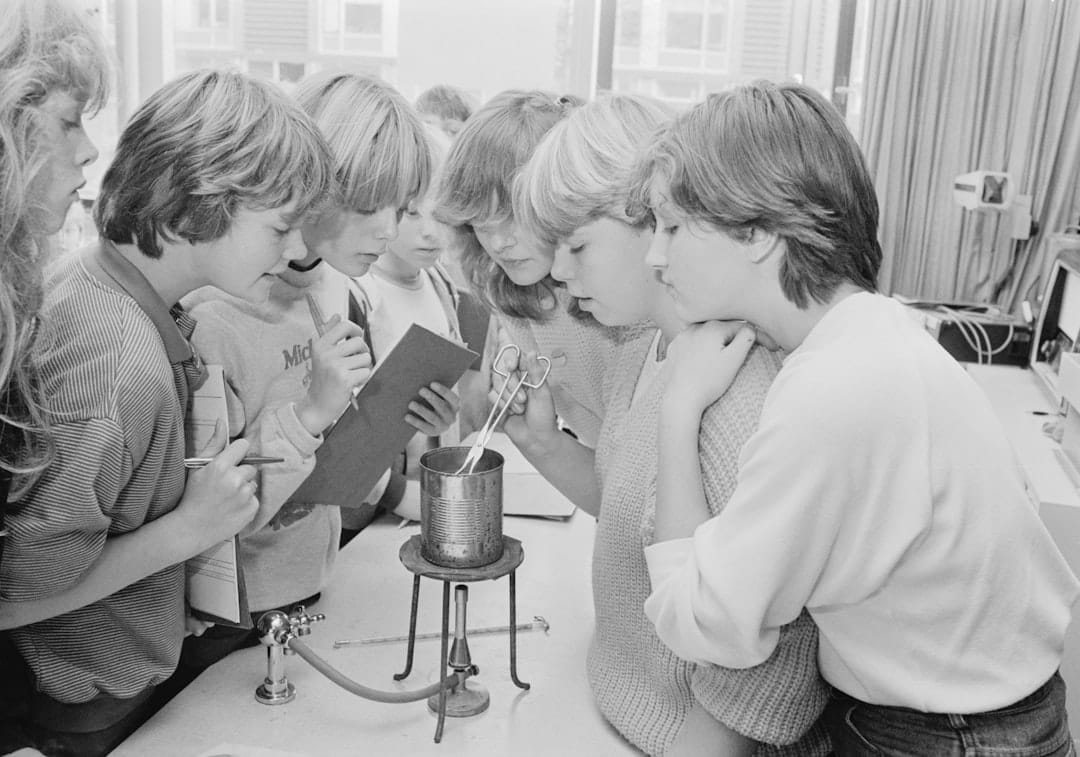
Munich, Germany, MMN Correspondent: What does it take to turn a simple question into a new invention? The European Patent Office has a fresh answer. On August 12, International Youth Day, the EPO launched Inventions for Impact, a free e-learning programme that helps children understand the path from curiosity to discovery. The lessons also show how inventors use intellectual property to protect their work and why that protection creates opportunities for future creators.
The initiative arrives at a meaningful moment. Around 1.8 billion young people are preparing for a world shaped by rapid technology, environmental transitions, and evolving economies. Many of the skills they will need are scientific and digital. Inventions for Impact brings these skills closer to everyday life by giving children direct access to inventors’ stories, interactive lessons, and hands-on activities. The programme is designed for classrooms, homes, and independent learning, so young people can move through the material at their own pace.
The full programme will include ten courses. The first two are already available for free in the EPO e-learning centre. Each course contains three or four interactive lessons built around short multimedia pieces of five to ten minutes, followed by quizzes, flashcards, crosswords, and practical exercises. This flexibility makes the material just as useful for a teacher planning a lesson as it is for a parent supporting a curious child after school. The remaining courses will be developed with national patent offices, which means the content can stay relevant and accessible across different countries and cultures.
The first course, Curiosity and Inventions, targets children aged nine to ten. It uses superhero characters to lead learners through four missions. Through those missions, children see why asking questions is the engine of invention. They learn about pioneering inventors and meet everyday heroes applying creativity to solve problems. One of the strongest lessons is perseverance. The course shows young learners that failure and repeated attempts belong to the same journey as success.
The second course, Inventions through History, is written for children aged ten to eleven. It invites learners to explore key milestones in transportation, energy, manufacturing, and communication. The course traces how writing, printing, the telegraph, and the internet changed the way people share information. It also shows how those changes transformed society. Learners begin to see the modern world as a mosaic of many inventions, each one building on the ideas of people who came before.
These two courses are part of a larger EPO children and youth initiative. The initiative combines role models, learning materials, and real-world opportunities to encourage a lifelong interest in science, creativity, and entrepreneurship. It includes sponsorship of national science fairs and competitions, many of which give children their first chance to present a project to judges and peers. The Young Inventors Prize celebrates people under thirty who are already making a difference with their ideas. Through the European Inventor Network, past and present prize winners and inventors visit schools and events to share their experiences. The Observatory on Patents and Technology contributes research and data that help educators see how intellectual property and innovation are changing.
The launch date also aligns with the International Youth Day theme for 2026: “Different contexts, common aspirations.” Young people grow up in varied national, economic, and social conditions. A child in a small island developing state may live a very different daily life from a child in a large industrial country. Their shared hopes remain visible: to learn, to create, to find meaningful work, and to leave a positive mark on the world. The theme gives special attention to young people in least developed countries, landlocked developing countries, and small island developing states. In these places, distance from markets, limited infrastructure, and climate exposure are part of the everyday picture. The response among local communities is often creative and strong, with inventive solutions taking shape within those constraints.
What makes intellectual property a lesson for children? When young people learn that ideas can have value, they begin to see their own creativity in a new light. They discover that patents encourage inventors to share knowledge, which lets others study and build on existing inventions. They also learn to respect the work of others. This kind of understanding can be deeply empowering. It is especially relevant for a child beginning to imagine a future in science or engineering. The e-learning format makes concepts like patents and prior art tangible through visual stories and playful challenges.
There is also a practical economic side to early STEM education. Many of the fastest-growing industries depend on skills in computing, engineering, data analysis, and design. Gender balance in these fields is still developing, and early exposure can make a real difference. By creating content that is visual, interactive, and fun, the EPO can help young girls and underrepresented groups see themselves in technical careers. The message is simple. Invention belongs to anyone who is willing to ask a good question and keep trying.
This initiative also shows how a patent office can take on a broader social role. The EPO examines applications and grants patents. It also engages in education, awareness, and support for innovation ecosystems. Launching this programme on International Youth Day sends a clear message. The next generation belongs at the centre of the innovation story.
Learning continues beyond the final quiz. An invention is a product, and it is also a process: observing a problem, imagining an answer, building a prototype, and sharing the results. When children learn to ask better questions and persist through difficulties, they grow into thoughtful citizens who understand how technology and society influence each other. Teachers, families, and local communities all help keep that learning alive. The programme’s materials offer starting points for discussions, small projects, and even national competitions.
As International Youth Day focuses global attention on young people, Inventions for Impact demonstrates the value of investing in young minds. The first two courses are available now, with more on the way. The real success will appear when a child looks at an everyday object and asks, “Who made this? How does it work? How could I make it better?” In that question, the next inventor begins.
Related in Scientific Research

Scientific Research
PLOS Climate: How Open Access is Reshaping Global Warming Research
The landscape of scientific communication is shifting rapidly. Integrity and accessibility are no longer just nice-to-haves but essential pillars of modern research. PLOS Climate stands at the center of this transformation. This journal from the Public Library of Science in Cali…
Read More...
Scientific Research
PLOS Climate: Navigating Broken Links to Access Critical Global Warming Research
The digital landscape of scientific publishing is shifting rapidly. For researchers and enthusiasts alike, the ability to access peer-reviewed work without barriers is essential. PLOS, a nonprofit based in California, has long championed open access. Their journal PLOS Climate f…
Read More...
Scientific Research
How PLOS Climate Is Reshaping Global Science: The Open Access Advantage
In the fast-moving world of scientific communication, open access journals are doing more than just sharing papers. They are breaking down walls that have long kept knowledge out of reach. PLOS Climate stands at the center of this shift. As a key part of the Public Library of Sc…
Read More...
Scientific Research
PLOS Climate: How Open Science is Reshaping Global Data Access
The digital landscape of scientific publishing is undergoing a profound transformation. This shift is driven by the urgent need for transparency and rapid dissemination of critical research. PLOS Climate stands at the forefront of this movement. It is a specialized journal dedic…
Read More...
Scientific Research
PLOS Climate 404 Errors: How Link Rot Threatens Scientific Trust and What You Can Do
The digital landscape of scientific communication is shifting rapidly. For researchers, policymakers, and educators, the integrity of open-access journals like PLOS Climate is not just a convenience but a necessity. Yet, even the most robust platforms face technical hurdles. A r…
Read More...
Scientific Research
PLOS Climate: How Open Access is Reshaping Global Warming Solutions
The landscape of scientific publishing is shifting beneath our feet. Accessibility and transparency are no longer just nice-to-have features; they are the bedrock upon which we address the most pressing challenges of our time. The Public Library of Science (PLOS), a nonprofit ba…
Read More...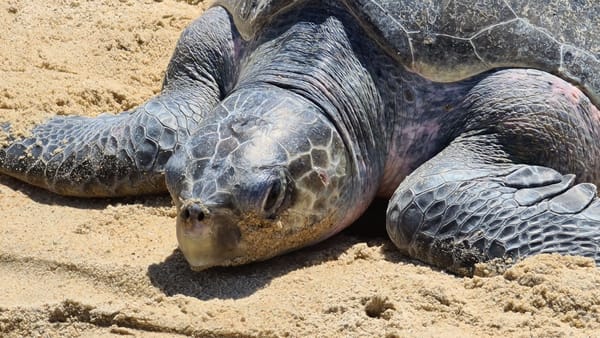
Scientific Research
California Beaches See First Olive Ridley Nesting: What This Means for Sea Turtle Conservation
Marine biologists are witnessing a historic shift in ocean ecology. On September 16, 2026, an olive ridley sea turtle laid eggs on a beach near Seal Beach in Orange County, California. This event marks the first confirmed nesting of this species on the U.S. West Coast. Historica…
Read More...
Scientific Research
PLOS Climate: Why Broken Links Threaten Global Science Access
The digital landscape of scientific communication is shifting beneath our feet. As climate research accelerates, the integrity and accessibility of this data have become paramount. Specialized journals like PLOS Climate face constant challenges regarding content availability and…
Read More...
Scientific Research
Why Climate Data Links Fail: The Open Access Fix You Need Now
Imagine clicking a link to the latest climate study only to hit a dead end. That frustrating 'Page Not Found' error is more than a technical glitch. It represents a significant barrier in the fight against misinformation and delayed action. When vital research on global warming…
Read More...
Scientific Research
What Color Is the Universe? The Surprising Beige Answer from Johns Hopkins
For centuries humanity has gazed into the night sky captivated by vibrant nebulae and dying stars. Yet a deceptively simple question remains elusive to the naked eye. What is the average color of the entire universe? The answer defies expectations of deep cosmic blues or brillia…
Read More...