
AfD Ban Debate: Stefan Möller's Warning on Germany's Democratic Order You Need to Understand
We compile, generate and translate using Artificial Intelligence from the below given source. Macro Micro News is responsible for its editorial publication.
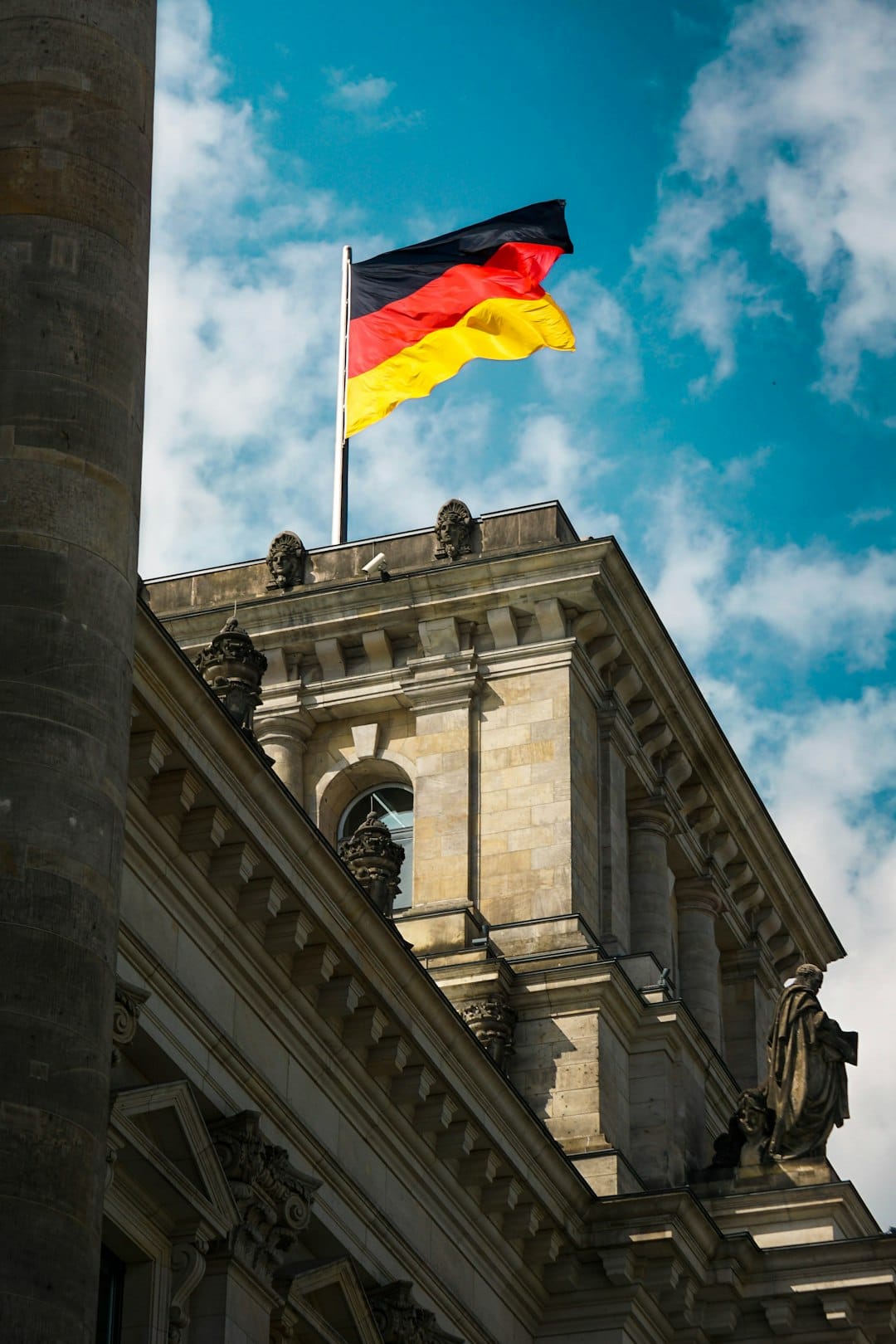
Berlin, MMN Correspondent: The debate over banning Germany's AfD party just took a more intense turn. Stefan Möller, the deputy federal spokesperson for the AfD, has responded to a fresh call for a ban from the left-leaning Republican Lawyers' Association. He frames this move as a direct challenge to the democratic system.
Möller's comments arrived on August 4, 2026, as tensions around the party's popularity continue to build. The lawyers' association renewed its demand with sharp language. Möller turned the focus toward the bigger picture. In his view, this legal request has a broader aim: removing the strongest opposition voice from the political stage.
Möller pointed to the party's support among 30 to 40 percent of German voters. That level of backing makes a ban more than a procedural question. It becomes a statement about whether a large portion of the population should have a say in the country's direction.
Möller said, 'The renewed demand for a ban fits into the communication strategy of politically extreme left forces that have been trying for months to make the elimination of the strongest party in the polls a dominant societal issue.' He added that anyone seeking to ban a party with this much support is positioning themselves against the free democratic basic order.
Calls for a ban have appeared repeatedly over the years. Several groups and politicians have voiced concerns about the AfD's nationalist and anti-immigrant rhetoric. Germany's Federal Constitutional Court has only banned two parties in its history: the Socialist Reich Party in 1952 and the Communist Party of Germany in 1956. Those cases involved clear evidence of plans to overturn the constitutional order.
Legal experts point out that banning a party in Germany is a complex and rare process. It requires substantial evidence of unconstitutional activity. Could a ban ever gain enough traction to succeed? The answer depends on evidence, timing, and public opinion. What makes this moment unusual is how many ordinary voters are watching the legal details with real interest. For many, this debate is not only about one party. It is about how democracy handles unpopular opinions and difficult questions.
The AfD entered the political scene in 2013 with a focus on opposing the euro and EU bailouts. Over time, the party's message shifted toward immigration and Islam, particularly after the refugee crisis of 2015. That change helped the AfD grow into a major political force, with seats in all 16 state parliaments and the Bundestag. Different factions inside the party have shaped its direction, with some taking a harder line and others seeking a more moderate image.
Recent surveys show the AfD's support climbing, with the party often placed second or third nationally. Mainstream parties have kept their distance and refused to cooperate with the AfD at every level. That refusal has turned the party ban debate into a central issue in German politics. The arguments on both sides are clear. Ban supporters point to extremist elements within the party. Ban critics say the move could backfire and create even greater polarization.
Möller's response follows the AfD's broader strategy of presenting itself as a target of political persecution. By placing the ban debate in the context of democracy, the party strengthens its bond with supporters and reaches voters who feel ignored by the political establishment. This approach has helped the party continue winning votes. Other parties keep up their criticism, and both realities shape the current moment.
The legal implications of a ban would be historic. If the Federal Constitutional Court ever ruled in favor of such a measure, the decision would reshape German democracy for years. Legal experts agree the threshold is very high. The court would need proof that the party actively works to undermine the democratic order. The AfD denies any such intention and insists it operates within the law.
For now, the debate continues to dominate conversation in Germany. Möller's latest statement adds more weight to the discussion, as he accuses the lawyers' association of undercutting the principles it claims to protect. He described the push for a ban as a 'systemic question' with potential consequences that could surprise its supporters.
Germany's next federal elections are approaching, and the AfD's role remains a central question. The party's ability to keep its momentum will depend on how it manages legal challenges and political opposition. The ban debate is unlikely to fade anytime soon, and both sides appear ready for a long and difficult conversation about the future of German democracy. This moment offers an opportunity for citizens to reflect on the kind of political culture they want to build.
Related in Politics
Politics
Europe's New Aid Strategy: How Team Europe Is Protecting Workers and Fixing Supply Chains in 240 Million Crisis Zones
European Commissioner Lahbib Zouarhi recently took the stage at the Foreign Affairs Council to unveil a bold new vision for humanitarian aid. The message was clear. Europe must step up as "Team Europe" to tackle the growing number of global crises. With nearly 240 million people…
Read More...
Politics
Germany's Growth Mirage: Weidel Exposes the Debt Trap Behind Official Projections
The German federal government recently unveiled its autumn economic projections for October 2026, highlighting a projected growth rate of 1.3 percent for the current year. This optimistic forecast suggests a notable upswing in national economic activity. However, Alice Weidel, c…
Read More...
Politics
EU-Mexico Trade Alliance 2026: How This Partnership Is Reshaping Global Supply Chains
The European Union and Mexico have always been strong partners in multilateral cooperation. By September 2026 their relationship has become a key test for global economic resilience. Trade tensions are rising in many parts of the world. The EU-Mexico partnership offers stability…
Read More...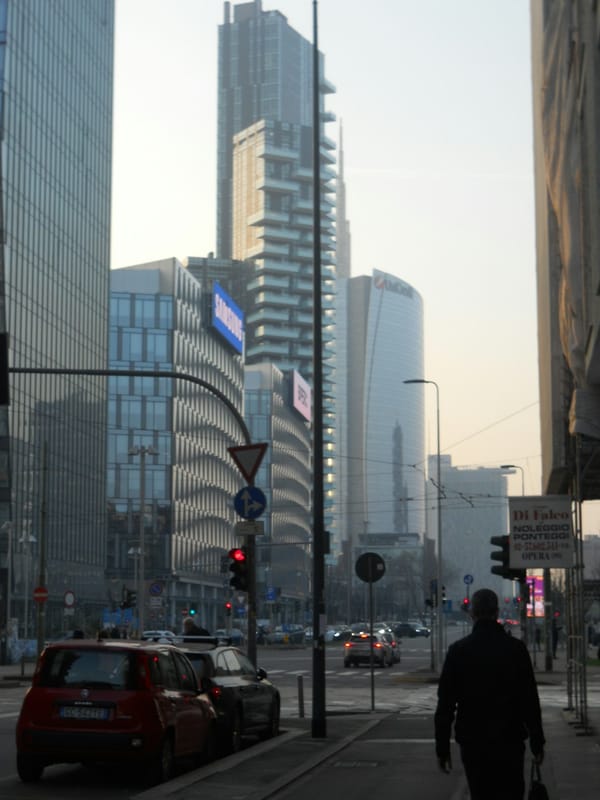
Politics
Ireland's EU Presidency: How Humanitarian Aid and Preparedness Build a Safer Future
As Ireland takes the helm of the Council of the European Union, Commissioner Lahbib highlights a pivotal moment for global engagement. Europe now faces a dual mandate that requires both moral leadership through humanitarian aid and strengthened internal resilience against a comp…
Read More...
Politics
Saxony-Anhalt Breaks Tradition: AfD's Tobias Rausch Takes Landtag Presidency
German politics witnessed a defining moment on October 6, 2026, when the newly constituted state parliament of Saxony-Anhalt elected Tobias Rausch as its Landtag President. This event marks the first time in the history of the Federal Republic that a member of the Alternative fo…
Read More...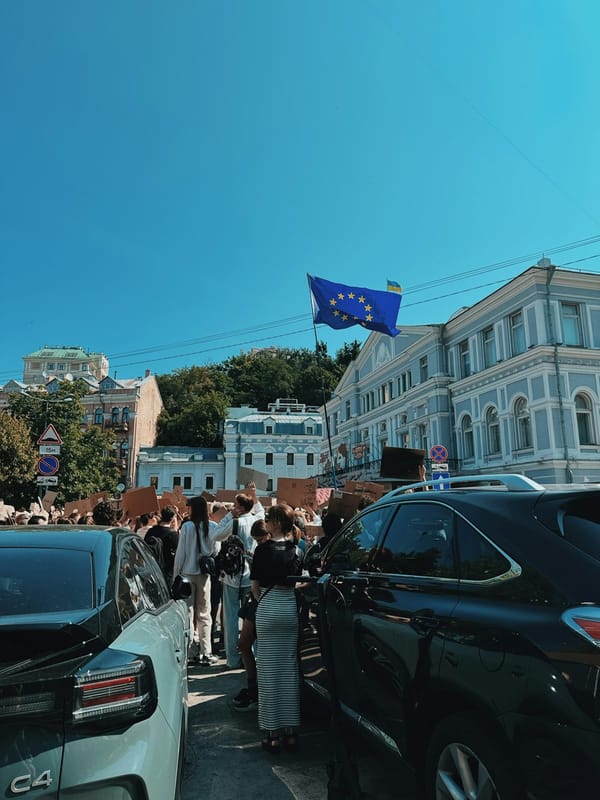
Politics
Von der Leyen's Balkan Strategy: Why EU Expansion is a Mutual Transformation
Ursula von der Leyen has made it clear that the European Union’s path forward involves more than just opening borders. Her recent visits to the Western Balkans highlight a strategic shift where enlargement is treated as a mutual transformation rather than a one-sided gift from B…
Read More...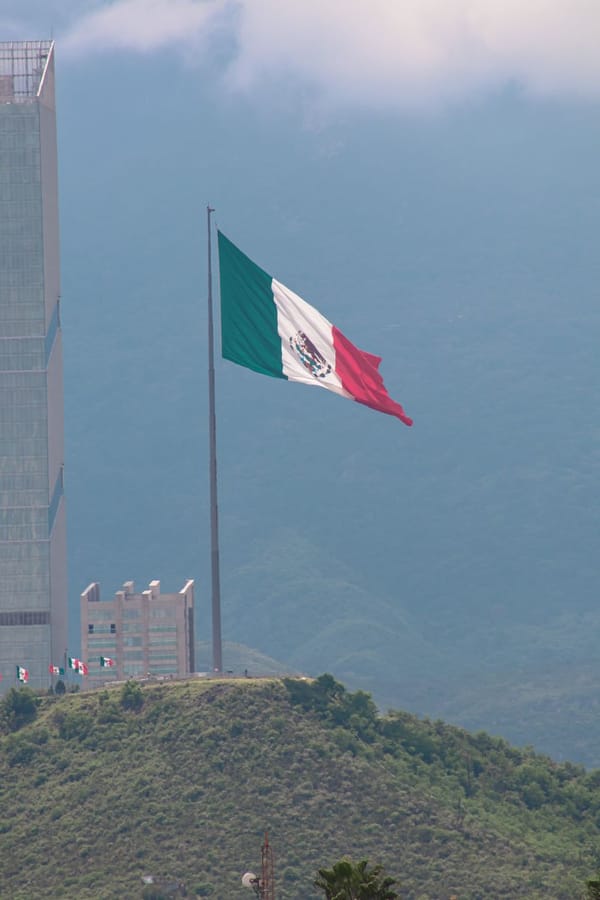
Politics
EU-Mexico Trade Shift 2026: What Nearshoring and Green Tech Mean for Your Business
The relationship between the European Union and Mexico is undergoing a significant transformation as we navigate through 2026. This partnership has evolved from traditional trade agreements into a robust framework focused on sustainable development digital innovation and diploma…
Read More...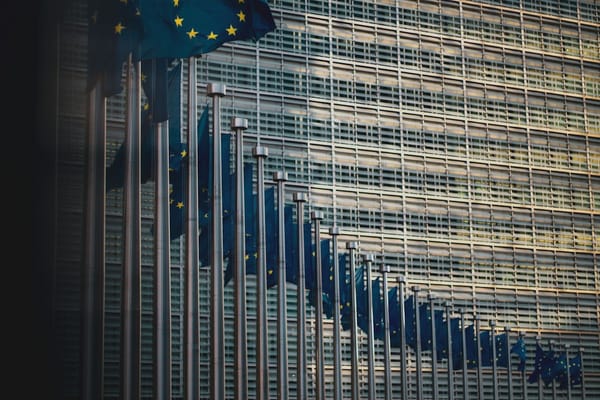
Politics
Germany's 52% State Share: What This Record Means for Your Wallet and Economy
In early October 2026, Germany reached a notable economic milestone. The federal government projected a state share of 52 percent for the current year. This figure marks a new all-time high. It signals a substantial shift in how public expenditure relates to national economic ou…
Read More...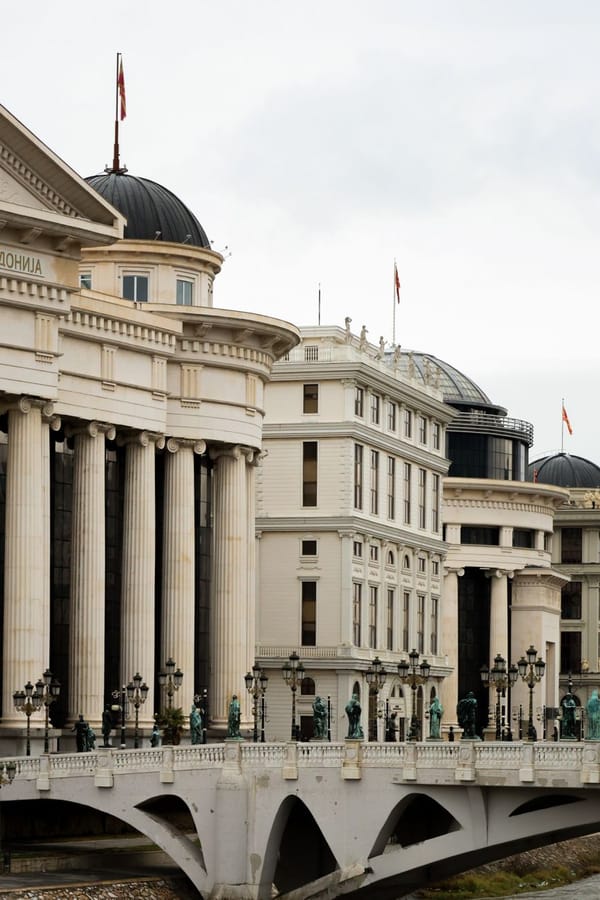
Politics
North Macedonia's EU Path: Security, Economy, and Institutional Readiness
In a significant diplomatic engagement held in Skopje, European leadership reaffirmed its commitment to North Macedonia’s accession to the European Union, highlighting the nation’s pivotal role in regional security and economic stability. The dialogue underscored North Macedonia…
Read More...
Politics
Germany's Subsidy Crisis: Why Taxpayers Are Demanding Fiscal Reform Now
In October 2026, the Bund der Steuerzahler released its annual "Black Book," a detailed report exposing state-funded waste and inefficient subsidy programs across Germany. This publication has sparked a significant conversation about fiscal responsibility, revealing how public f…
Read More...