
Campania Schools: How 10-Minute Movement Breaks Transform Student Focus
We compile, generate and translate using Artificial Intelligence from the below given source. Macro Micro News is responsible for its editorial publication.
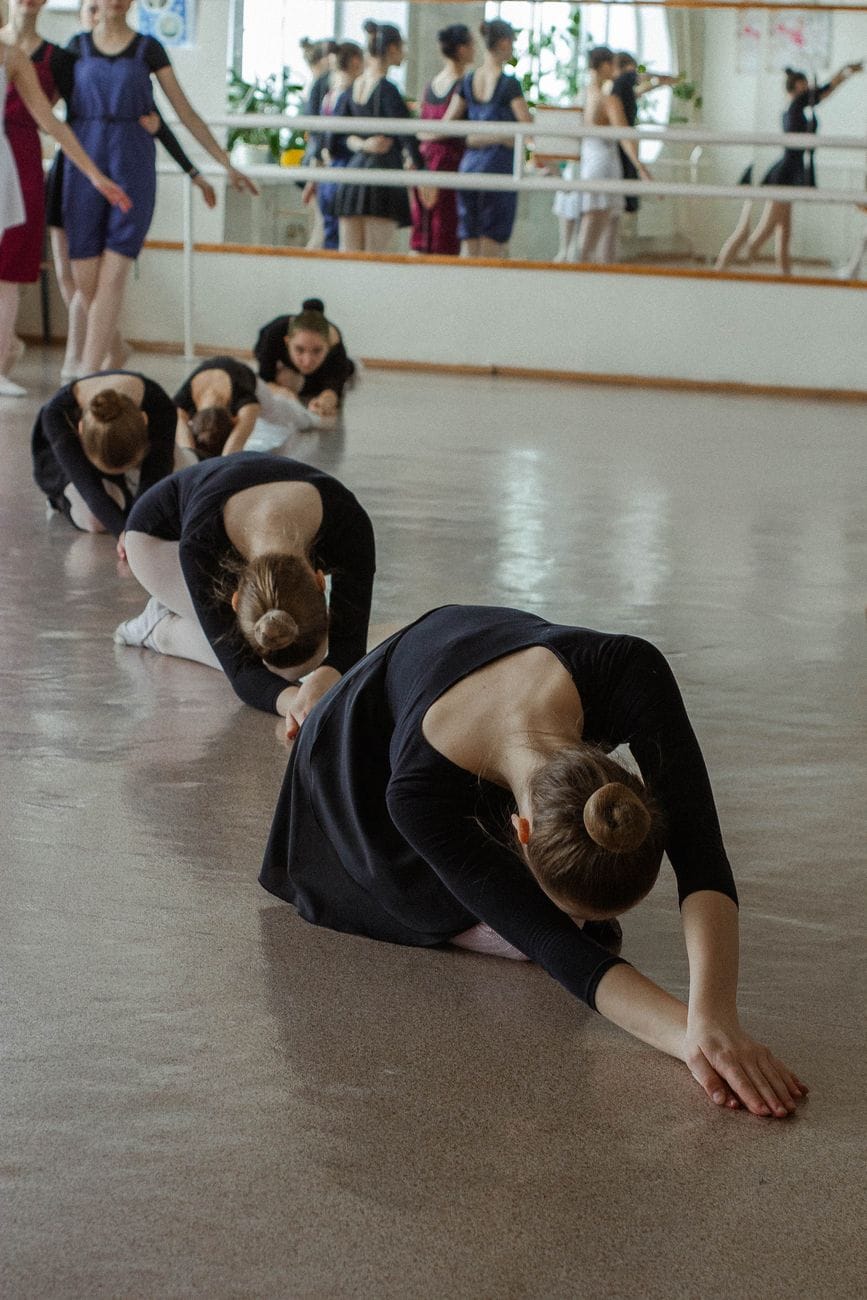
Naples, Italy, Source:
Teenagers today face a unique challenge. Digital distractions and sedentary habits are becoming the norm, making it harder for students to maintain focus in class. A recent study from Southern Italy offers a straightforward solution that might just change how we view classroom breaks. Research published in September 2026 shows that short, structured physical activity sessions can significantly boost concentration among adolescents in upper secondary schools.
The investigation involved 529 students averaging 14.3 years of age across four schools in the Campania region. Researchers used a cluster-randomized controlled trial design to compare two groups. One group participated in a four-month program featuring daily active breaks, while the other continued with their usual routine. The intervention included two 10-minute sessions each day. These sessions featured music-synchronized exercises like stretching, coordination drills, and balance activities performed right in the classroom.
The outcomes were impressive. Students who took part in these active breaks showed marked improvements in attention and concentration scores. The researchers measured this using the d2-R Test of Concentrated Attention. After adjusting for variables such as age, baseline performance, and lifestyle habits, the intervention group demonstrated an adjusted between-group difference of 56.7 points in concentration performance compared to the control group. This positive effect held strong even when accounting for sleep duration, smartphone usage, and adherence to the Mediterranean diet.
What makes these findings particularly compelling is their universality. The study found no evidence that the intervention's effectiveness varied based on sex, participation in organized sports, or specific lifestyle choices. This suggests that brief periods of movement serve as an equitable tool for enhancing cognitive function across diverse student populations. Every student benefits equally from these short bursts of activity.
High fidelity and attendance rates, exceeding 93% for both session delivery and student participation, highlight the feasibility of implementing such programs in real-world educational settings. The findings challenge the traditional model of prolonged sitting during lessons. Interrupting sedentary behavior with moderate-to-vigorous physical activity supports brain health through improved cerebral blood flow and neuroplasticity. This approach integrates movement seamlessly into the learning process.
As global education systems address rising concerns over adolescent mental health and academic engagement, this research provides solid evidence that physical activity acts as a catalyst for learning rather than just a break from it. By embedding short bursts of exercise into the curriculum, schools can potentially achieve higher levels of attention and cognitive efficiency without compromising instructional time. The path to better focus may simply involve getting students moving for ten minutes at a time.
Related in Sport

Sport
How Night Games Disrupt Baseball Sleep: The GDL Metric Explained
In the high-stakes arena of professional sports, we often focus on physical training and raw talent. Yet a recent cross-sectional study involving Japanese professional baseball players reveals that scheduling logistics play a critical role in athlete well-being. The research int…
Read More...
Sport
Hungary Study: How Coach-Athlete Bonds Build Confidence and Mental Health
Mental health stands as a vital pillar of athletic achievement, yet it often remains in the shadows compared to physical training. Athletes navigate intense pressure from performance expectations, injury risks, and career instability, which can increase vulnerability to anxiety…
Read More...
Sport
How Heart Rate Zones Determine Victory in Kick Light: A 2026 Physiological Breakdown
Kickboxing has transformed from a niche martial art into a globally recognized Olympic discipline. Yet the specific physiological demands of its technical sub-styles remain underexplored. A groundbreaking exploratory study published in September 2026 sheds light on the cardiovas…
Read More...
Sport
Sedentary Habits vs. Athletic Recovery: New Insights into Sleep Quality in Young Men
A recent exploratory study published in September 2026 by researchers from the University of Cassino and Lazio Meridionale has shed new light on the relationship between physical activity, sedentary behavior, and sleep quality among young adult males. The research specifically c…
Read More...
Sport
How 500mg of Citrus Extract Boosts Jump Height and Strength in Female Basketball Players
In the competitive arena of women's basketball, athletes constantly search for marginal gains that can tip the scales. A recent investigation published in September 2026 by researchers from the Universidad de León and Universidad Isabel I offers a compelling look at one such str…
Read More...
Sport
Brazilian Women's Football: The Exact Physical Shifts From U14 to Pro That Define Success
The path from youth academy to professional football is often imagined as a straight line of steady athletic growth. New research into Brazilian women’s football suggests the reality is far more complex. A comprehensive study involving 119 outfield players across Under-14, Under…
Read More...
Sport
Youth Football Talent: Why Dual-Task Testing Reveals the Real Difference in Player Performance
Football scouts often focus heavily on physical metrics and technical drills. They look for speed, agility, and precise ball control. Yet a recent study published in Sports (MDPI) suggests that the true marker of elite potential lies elsewhere. It is not just about what players…
Read More...
Sport
Sled Sprint Training: Why Distance, Load, and Surface Dictate Your Speed Gains
Resisted sled sprint training has long been a cornerstone for elite athletes looking to sharpen their explosive power. From track sprinters refining their block clearance to rugby players building raw strength, the practice is ubiquitous. Yet a comprehensive systematic review an…
Read More...
Sport
Can Expectation Extend Your Cycling Endurance? The 1.6% Caffeine Placebo Data Every Rider Needs
[Extracted Location], Source : Sports science continues to explore how mental expectations shape physical output. Caffeine remains a staple among endurance athletes seeking reliable performance support. Riders across cycling disciplines regularly incorporate this compound into t…
Read More...
Sport
Your Mind on the Pitch: 4 Mental Resilience Shifts Every Woman in Soccer Needs Now
The modern women’s soccer landscape continues to evolve at an impressive pace, bringing global visibility and elevated performance standards to every level of play. As athletes step onto increasingly demanding stages, a fascinating shift occurs behind the scenes. Psychological w…
Read More...