
How Elite CrossFit Athletes Taper: The 8-Week Load Management Blueprint for Peak Performance
We compile, generate and translate using Artificial Intelligence from the below given source. Macro Micro News is responsible for its editorial publication.
Global, Source:
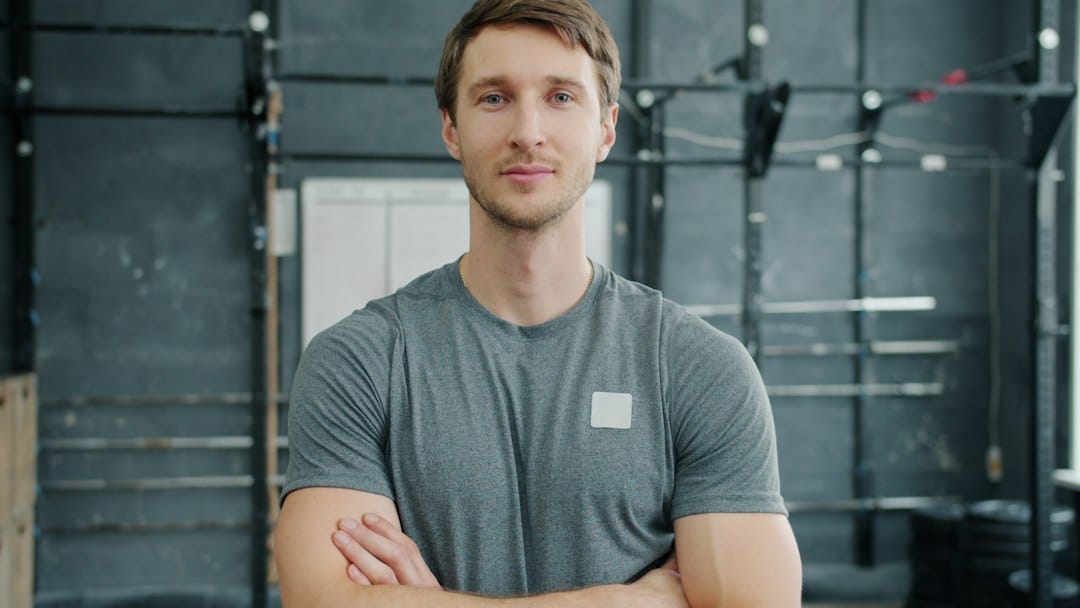
CrossFit has transformed from a niche fitness trend into a rigorous sport that demands seamless integration of weightlifting, gymnastics, and metabolic conditioning. For elite athletes, victory depends less on raw power alone and more on the precise orchestration of training load. This approach optimizes physiological adaptation while keeping excessive fatigue at bay. A recent longitudinal case study offers a rare glimpse into how a highly trained athlete navigates an eight-week periodized preparation phase leading up to the CrossFit South America Semifinal.
The research followed a tier-3 male athlete over nine weeks using block periodization models. These blocks included accumulation, transmutation, realization or taper, and competition phases. Internal training load was measured using the session rating of perceived exertion method alongside metrics for monotony, strain, and the acute-to-chronic workload ratio. The data revealed significant physiological adjustments as the competition date drew nearer.
During the final realization week, mean weekly training duration dropped by approximately 59 percent compared to the initial accumulation phase. This reduction came with a roughly 60 percent decrease in total internal training load and a substantial 73 percent drop in training strain. Such sharp declines in volume suggest a deliberate strategy to shed accumulated stress before stepping onto the platform.
Exercise-specific exposure shifted dramatically during this taper window. High-intensity functional movements remained present to preserve sport-specific adaptations. However, volumes for running, rowing, biking, and certain gymnastic exercises like muscle-ups were significantly reduced. Notably, the acute-to-chronic workload ratio ranged between 0.64 and 1.11 during the calculable preparation weeks. This indicates a controlled reduction in load relative to previously accumulated stress.
Despite these structural changes, self-reported well-being scores fluctuated between 14.6 and 18.1 without a consistent directional trend. This variability highlights the complexity of individual recovery responses. It suggests that reducing physical load does not automatically translate to a linear improvement in subjective feelings of wellness.
This research underscores the challenges of monitoring CrossFit due to its multidimensional nature. Unlike traditional sports, CrossFit combines diverse stimuli within single sessions. This makes external load monitoring difficult. Consequently, combining sRPE with exercise-specific volume tracking offers a more comprehensive view of training stress. Coaches must look beyond simple distance or weight metrics to understand true athlete readiness.
The findings suggest that while tapering strategies effectively reduce cumulative fatigue, they do not guarantee uniform improvements in subjective well-being. These descriptive insights provide coaches and athletes with valuable benchmarks for structuring pre-competition phases. They emphasize that load management is a nuanced process requiring individualized attention rather than a one-size-fits-all protocol. Understanding these subtle shifts can make the difference between a plateaued performance and a personal best.
Related in Sport

Sport
Why You See Access Denied on MDPI: The Real Story Behind Scholarly Paywalls
The phrase "Access Denied" often feels like a digital brick wall. It is more than a simple technical glitch. It represents the complex intersection of intellectual property rights and global information accessibility. When you encounter a 403 Forbidden error on platforms like MD…
Read More...
Sport
Why You Are Blocked: The Real Reasons Behind Access Denied Errors
In the vast landscape of digital information, few experiences are as frustrating or ubiquitous as encountering an 'Access Denied' error. This message, often accompanied by cryptic reference numbers and server warnings, represents a fundamental barrier between users and the conte…
Read More...
Sport
Aging and Muscle Protection: What the Repeated Bout Effect Reveals About Your Future Strength
The repeated bout effect describes a fascinating physiological phenomenon where a single session of eccentric exercise provides lasting protection against muscle damage during future similar activities. This adaptive response allows muscles to recover faster and suffer less stru…
Read More...
Sport
Elite Handball: How Anaerobic Power Drives Match Success
Team handball at the highest level demands more than just stamina. It requires explosive power and the ability to change direction instantly. Recent reviews point out that success in this intermittent sport hinges on anaerobic capacity. Players need to accelerate fast, shoot wit…
Read More...
Sport
Why You See Access Denied: The Real Story Behind Academic Paywalls
That frustrating "Access Denied" message is more than just a technical hiccup. It stands at the crossroads of intellectual property rights and global information equity. When you hit a 403 Forbidden error on platforms like MDPI, you are seeing the academic publishing ecosystem i…
Read More...
Sport
Core Training Boosts Balance and Strength in Young Female Tennis Players
Tennis demands explosive power and precise control. The core acts as the central hub that transfers energy from the legs to the arms. For girls aged 13 to 14 this stage offers a unique window for neuromuscular growth. A recent study explores how specific core exercises can impro…
Read More...
Sport
Hungarian Soccer Data: How MD-3 and MD-2 Training Loads Predict Match Wins
In the high-stakes arena of professional football, victory is often attributed to tactical brilliance or individual skill. However, emerging research suggests that the timing and distribution of physical training loads throughout the week may be a critical yet overlooked predict…
Read More...
Sport
How Synchronized Drives Team Unity: New Data on Junior Handball Cohesion
Success in youth sports often gets pinned on individual brilliance. Yet a new perspective suggests that the invisible glue holding a team together matters just as much. A recent six-month study tracking 64 junior handball players aged 12 to 14 reveals that coordination training…
Read More...
Sport
How Digital Platforms Can Transform Elite Athlete Career Transitions and Mental Health Support
The journey from elite sports to post-athletic life presents one of the most psychologically and socially demanding phases in an athlete's career. A comprehensive cross-sectional study involving 136 European elite athletes reveals a critical disconnect between the high value ath…
Read More...
Sport
Liraglutide and Exercise: The Real Impact on Body Composition for Sustainable Weight Loss
Obesity is increasingly recognized as a chronic, relapsing disease with significant cardiometabolic risks, necessitating treatment strategies that go beyond simple weight reduction. Recent real-world data from a prospective cohort study conducted in Belgrade highlights the nuanc…
Read More...