
How Digital Platforms Can Transform Elite Athlete Career Transitions and Mental Health Support
We compile, generate and translate using Artificial Intelligence from the below given source. Macro Micro News is responsible for its editorial publication.

Brussels, Belgium, Source:
The journey from elite sports to post-athletic life presents one of the most psychologically and socially demanding phases in an athlete's career. A comprehensive cross-sectional study involving 136 European elite athletes reveals a critical disconnect between the high value athletes place on support services and the actual availability of those services. The research conducted under the Erasmus+ funded PORTAL project highlights that while dual-career pathways and mental health support are deemed crucial for sustainable athletic careers structural gaps remain significant across national sporting systems.
The study found that nearly half of the respondents reported receiving no formal career transition support during their active years. Key challenges identified included job search difficulties which affected 55.9% of participants financial planning instability at 51.5% and emotional adjustment issues such as loss of athletic identity impacting 44.9%. Despite these pressing needs only 41% of athletes felt their dual-career status was formally recognized by sport organizations and 43% noted limited recognition from academic or vocational environments. Satisfaction with currently available services was moderate at best with retired athletes reporting significantly lower satisfaction levels than active competitors.
However the path forward appears to lie in digital innovation. Athletes expressed strong positive perceptions regarding the potential implementation of a unified digital platform to deliver support services. Educational workshops career development networking financial planning and in-house mental health counseling were rated as the most relevant interventions. Notably 75% of participants indicated a desire for in-house mental health counseling within a digital ecosystem while 59.6% prioritized career development resources. The preferred frequency for these services varied with weekly interactions favored for mental health support and monthly or on-demand access preferred for practical career guidance.
Gender differences also emerged with female athletes attributing greater importance to mental health support and digital tools compared to their male counterparts. This may reflect broader inequalities in visibility and resources faced by women in elite sports. The study underscores that effective support must be multidimensional integrating psychological wellbeing with practical employability skills. It calls for a shift from reactive fragmented assistance to proactive continuous support systems that begin during the dual-career phase and extend well beyond retirement.
These findings provide a robust evidence base for developing scalable cross-national digital solutions. By triangulating scientific literature organizational practices and end-user perspectives the research identifies specific service gaps that digital platforms can address. The proposed model combines automated accessible digital resources with human-led guidance through Real-Life Transition Officers ensuring that support is both technologically efficient and empathetically delivered. This approach aims to empower athletes not just to survive retirement but to thrive in their next chapter reinforcing the responsibility of sporting bodies to protect athlete welfare throughout their entire lifecycle.
Related in Sport

Sport
Why You See Access Denied on MDPI: The Real Story Behind Scholarly Paywalls
The phrase "Access Denied" often feels like a digital brick wall. It is more than a simple technical glitch. It represents the complex intersection of intellectual property rights and global information accessibility. When you encounter a 403 Forbidden error on platforms like MD…
Read More...
Sport
Why You Are Blocked: The Real Reasons Behind Access Denied Errors
In the vast landscape of digital information, few experiences are as frustrating or ubiquitous as encountering an 'Access Denied' error. This message, often accompanied by cryptic reference numbers and server warnings, represents a fundamental barrier between users and the conte…
Read More...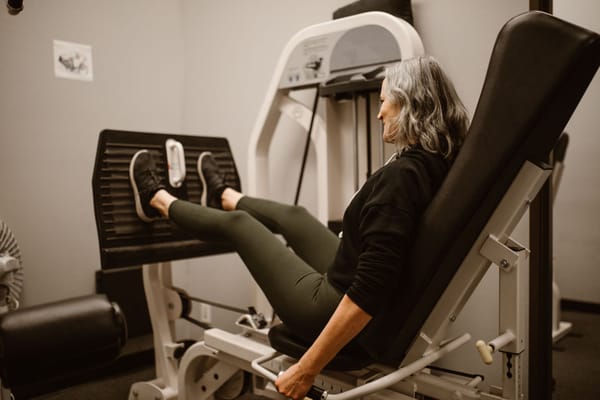
Sport
Aging and Muscle Protection: What the Repeated Bout Effect Reveals About Your Future Strength
The repeated bout effect describes a fascinating physiological phenomenon where a single session of eccentric exercise provides lasting protection against muscle damage during future similar activities. This adaptive response allows muscles to recover faster and suffer less stru…
Read More...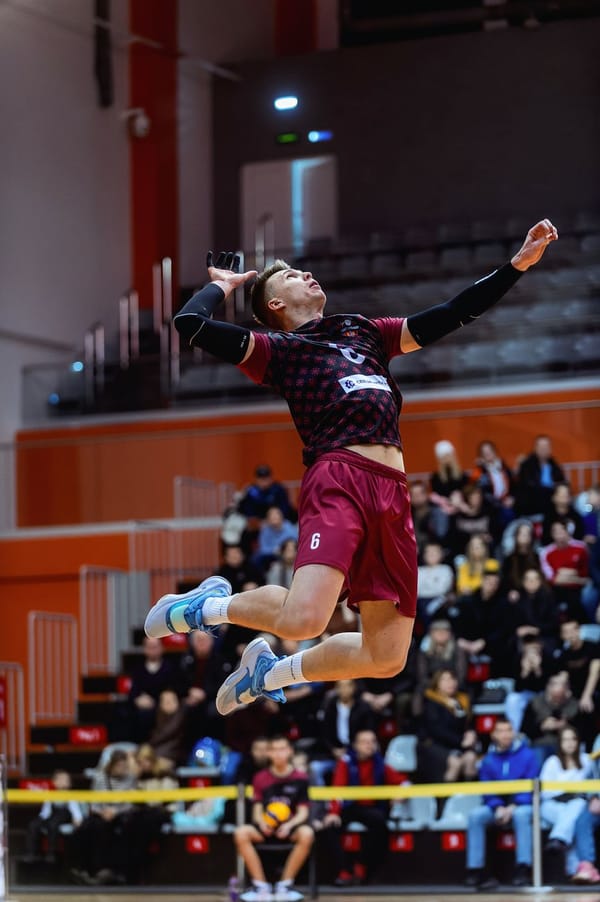
Sport
Elite Handball: How Anaerobic Power Drives Match Success
Team handball at the highest level demands more than just stamina. It requires explosive power and the ability to change direction instantly. Recent reviews point out that success in this intermittent sport hinges on anaerobic capacity. Players need to accelerate fast, shoot wit…
Read More...
Sport
Why You See Access Denied: The Real Story Behind Academic Paywalls
That frustrating "Access Denied" message is more than just a technical hiccup. It stands at the crossroads of intellectual property rights and global information equity. When you hit a 403 Forbidden error on platforms like MDPI, you are seeing the academic publishing ecosystem i…
Read More...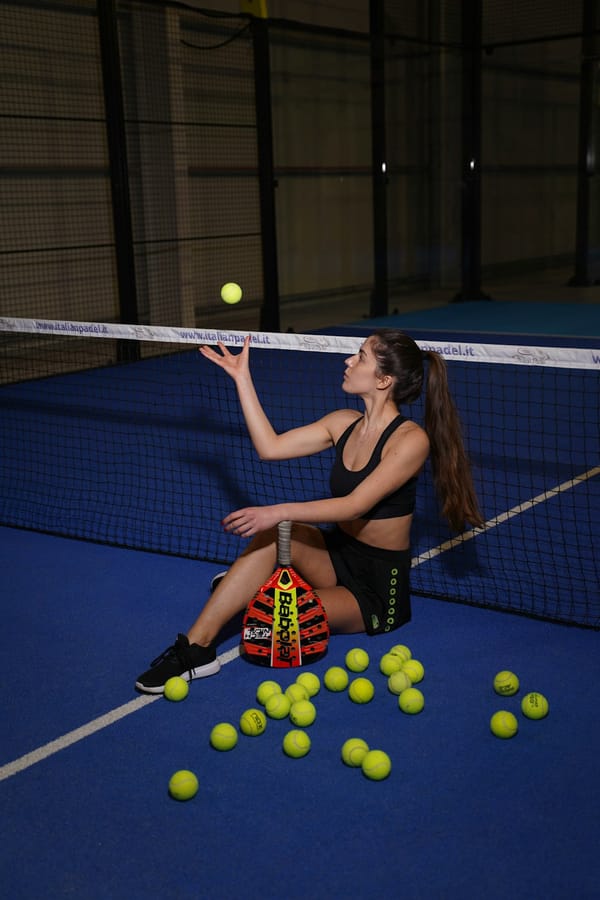
Sport
Core Training Boosts Balance and Strength in Young Female Tennis Players
Tennis demands explosive power and precise control. The core acts as the central hub that transfers energy from the legs to the arms. For girls aged 13 to 14 this stage offers a unique window for neuromuscular growth. A recent study explores how specific core exercises can impro…
Read More...
Sport
Hungarian Soccer Data: How MD-3 and MD-2 Training Loads Predict Match Wins
In the high-stakes arena of professional football, victory is often attributed to tactical brilliance or individual skill. However, emerging research suggests that the timing and distribution of physical training loads throughout the week may be a critical yet overlooked predict…
Read More...
Sport
How Synchronized Drives Team Unity: New Data on Junior Handball Cohesion
Success in youth sports often gets pinned on individual brilliance. Yet a new perspective suggests that the invisible glue holding a team together matters just as much. A recent six-month study tracking 64 junior handball players aged 12 to 14 reveals that coordination training…
Read More...
Sport
How Elite CrossFit Athletes Taper: The 8-Week Load Management Blueprint for Peak Performance
CrossFit has transformed from a niche fitness trend into a rigorous sport that demands seamless integration of weightlifting, gymnastics, and metabolic conditioning. For elite athletes, victory depends less on raw power alone and more on the precise orchestration of training loa…
Read More...
Sport
Liraglutide and Exercise: The Real Impact on Body Composition for Sustainable Weight Loss
Obesity is increasingly recognized as a chronic, relapsing disease with significant cardiometabolic risks, necessitating treatment strategies that go beyond simple weight reduction. Recent real-world data from a prospective cohort study conducted in Belgrade highlights the nuanc…
Read More...