
Canada’s Out-of-Control Wildfires: 22,000 Flee British Columbia, and What That Means for Your Community
We compile, generate and translate using Artificial Intelligence from the below given source. Macro Micro News is responsible for its editorial publication.
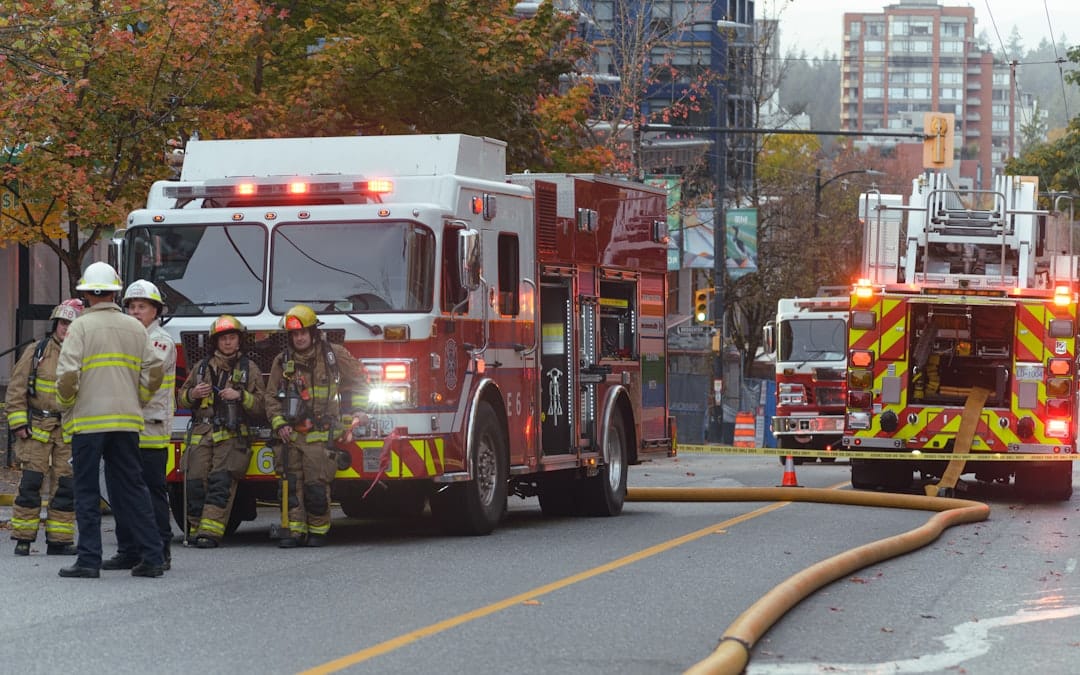
Summerland, British Columbia, MMN Correspondent: Summerland received its evacuation order with little time to spare. Across British Columbia, around 22,000 people have now left their homes as 102 active wildfires spread through the province. Nearly half of those fires are listed as uncontrolled. The Bald Range fire grew to more than 100 square kilometers overnight, roughly twice the size of Manhattan. For anyone who has ever wondered how a fire can move that fast, the answer is written in the dry forests and hot winds of the Okanagan Valley.
The federal response came quickly after Premier David Eby declared a state of emergency. By Sunday, Emergency Management Minister Eleanor Olszewski had approved federal assistance and directed Public Safety Canada to coordinate with provincial teams. She posted the update publicly, confirming that shelter and accommodation for evacuees were the immediate focus. In a crisis that changes by the hour, that kind of speed gives communities a solid footing.
Residents describe watching the sky change in what felt like minutes. Jennifer Pascoa told CBC that she and her family had just returned from the beach when smoke began rising. Within an hour, the clouds above Summerland had turned dark. The RCMP is investigating a possible fatality near the community, so the full impact of these fires is still being counted.
What is causing fires of this severity? The ingredients include six weeks without meaningful rain, extreme heat, and climate change. Mike Flannigan, a wildland fire professor at Thompson Rivers University, says the land is so dry that it crunches underfoot. He describes the conditions as perfect for fast-moving flames. The heat and dryness are not just making fires larger; they are making them harder to predict.
Overnight behavior is one of the most striking shifts. Firefighters once counted on cooler evening temperatures to slow a blaze. That pause is no longer guaranteed. The Bald Range fire expanded through the night, catching whole communities by surprise. Night-vision helicopters are now being used in BC and Alberta to monitor flames after dark. Emergency plans are being adjusted to account for fires that refuse to rest.
This story reaches beyond Canada. Wildfires have also marked parts of the United States and southern Europe this summer, with evacuations in France and Spain. Scientists have documented fires in Greenland, a place once considered too cold for them. The global picture clearly shows that fire behavior is changing, and the lessons from British Columbia will inform how other regions prepare for the months and years ahead.
There is something constructive in this moment. Emergency alert systems are improving, community networks are strengthening, and aerial firefighting technology is advancing. The situation in BC offers a real-world example of how governments can work together under pressure. It also highlights where investment and preparation can make a difference before the next fire strikes.
Mike Flannigan expects a long road ahead. No significant rain is in the forecast, and the fire season could extend into autumn. His advice to residents in at-risk zones is simple: have an emergency kit ready and stay aware. Preparation matters because it turns fear into action.
The fires in British Columbia are a clear signal that climate change is here, and it is reshaping the relationship between people and the land. The coordinated response underway shows what is possible when public institutions move quickly. The longer term path involves reducing the conditions that feed these fires and adapting communities to a warmer world. That work starts now, and it starts with the choices made by governments, organizations, and individuals.
Related in Global Warming
Scientific Research
How PLOS Climate Is Reshaping Global Science: The Open Access Advantage
In the fast-moving world of scientific communication, open access journals are doing more than just sharing papers. They are breaking down walls that have long kept knowledge out of reach. PLOS Climate stands at the center of this shift. As a key part of the Public Library of Sc…
Read More...
Scientific Research
PLOS Climate: How Open Access is Reshaping Global Warming Solutions
The landscape of scientific publishing is shifting beneath our feet. Accessibility and transparency are no longer just nice-to-have features; they are the bedrock upon which we address the most pressing challenges of our time. The Public Library of Science (PLOS), a nonprofit ba…
Read More...
Scientific Research
PLOS Climate: Why Broken Links Threaten Global Science Access
The digital landscape of scientific communication is shifting beneath our feet. As climate research accelerates, the integrity and accessibility of this data have become paramount. Specialized journals like PLOS Climate face constant challenges regarding content availability and…
Read More...
Scientific Research
Why Climate Data Links Fail: The Open Access Fix You Need Now
Imagine clicking a link to the latest climate study only to hit a dead end. That frustrating 'Page Not Found' error is more than a technical glitch. It represents a significant barrier in the fight against misinformation and delayed action. When vital research on global warming…
Read More...
Scientific Research
PLOS Climate: The Open Access Frontier for Global Warming Research
The landscape of scientific publishing is shifting rapidly. Accessibility and transparency are no longer just ideals but necessities. PLOS, a nonprofit organization based in California, stands at the forefront of this movement. They champion open access to peer-reviewed research…
Read More...
Global Warming
COP17 Mongolia: The Desertification Summit Deciding Your Food and Water Future
Around 10,000 people are heading into a national park near Ulaanbaatar this week. They've gathered for COP17, the seventeenth Conference of Parties to the United Nations Convention to Combat Desertification. The meeting runs from August 17 to 28, and it could determine how farms…
Read More...
Global Warming
Plastics Treaty Draft Leaves Out Production Cuts: What It Means for You and the Planet
The newest draft of the global plastics treaty has arrived, and it is missing something many countries consider essential. Chilean ambassador Julio Cordano, the diplomat chairing the United Nations talks, released the document as an informal reference text. It reads a lot like a…
Read More...
Global Warming
What You Need to Know About South Africa’s Offshore Oil Court Battle: Communities Take On Shell and TotalEnergies
Layers of red dust still coat Saldanha Bay, a reminder of the iron ore exports that transformed a quiet coastal fishing town in the 1970s. Today, the same bay is being prepared for a different role. The South African government wants to turn it into the country's oil and gas hub…
Read More...
Global Warming
UK Wildfire Crisis 2026: 71% of England in Drought and Firefighters Overwhelmed, Are We Ready for What's Next?
The United Kingdom is living through a fire emergency that keeps growing. Dry landscapes, repeated heatwaves, and shifting wind patterns have turned large parts of the country into a potential tinderbox. Firefighters are working long shifts to contain flames in Hampshire, Nottin…
Read More...
Global Warming
Super El Niño 2026 Could Bring Flooding to Western US: Here's What Forecasters Are Watching
Something big is taking shape across the Pacific Ocean, and its effects are expected to reach the United States this winter. Climate scientists are tracking what could become one of the strongest El Niño events on record. If the forecasts hold, the western and south-eastern part…
Read More...