
COP17 Mongolia: The Desertification Summit Deciding Your Food and Water Future
We compile, generate and translate using Artificial Intelligence from the below given source. Macro Micro News is responsible for its editorial publication.
Ulaanbaatar, Mongolia, MMN Correspondent: Around 10,000 people are heading into a national park near Ulaanbaatar this week. They've gathered for COP17, the seventeenth Conference of Parties to the United Nations Convention to Combat Desertification. The meeting runs from August 17 to 28, and it could determine how farms, forests, and grasslands survive the next decade.
The setting matters deeply. Mongolia is one of the most land-locked and climate-sensitive countries on Earth. Its herding traditions are alive, and so is the pressure on rangelands. By hosting the summit, Mongolia is placing pastoral communities and healthy soils at the center of global attention. That's a timely move, because dry months are spreading across the Northern Hemisphere, and the demand for better land management is growing.
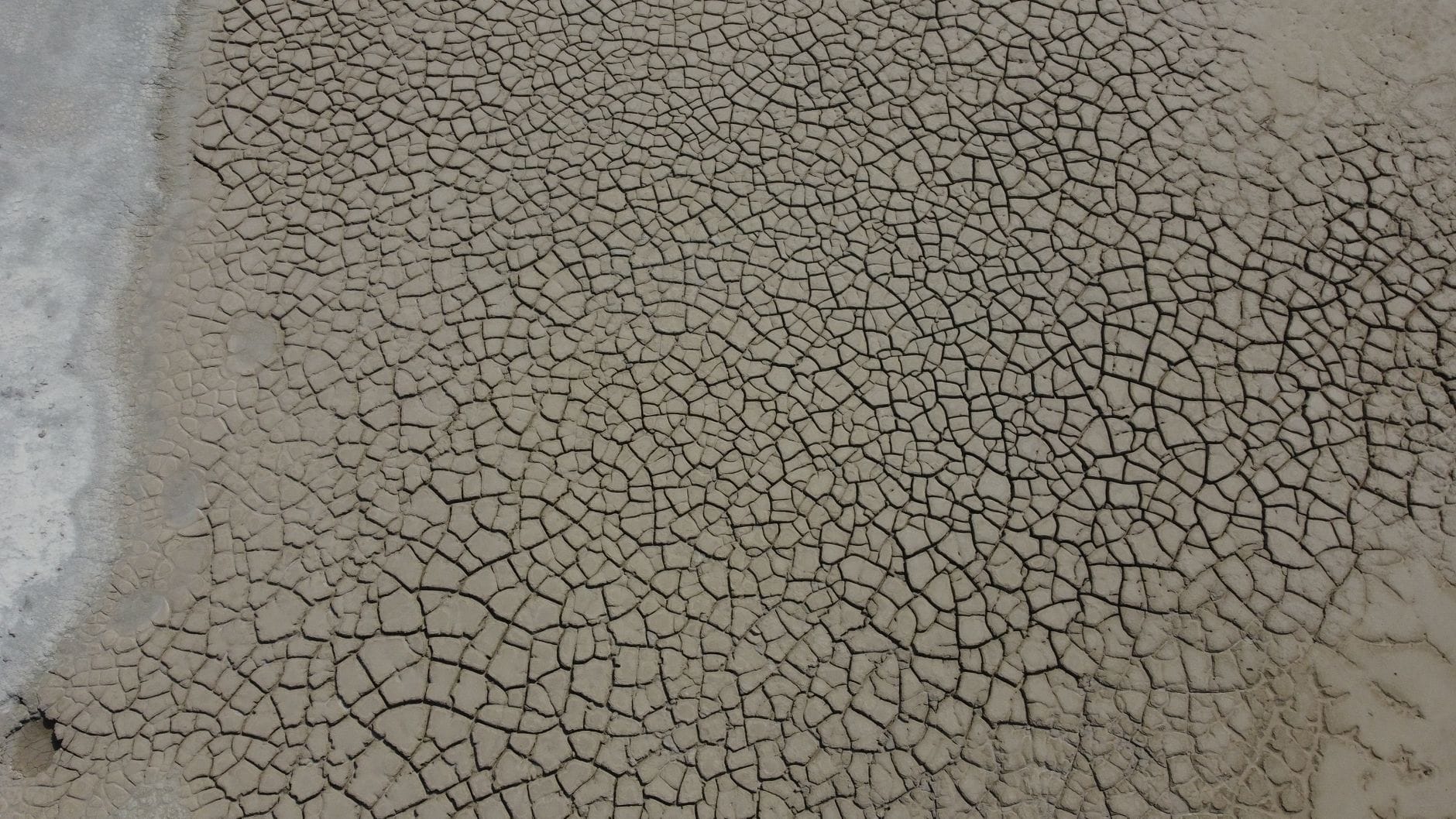
Desertification, simply put, is the process of turning productive land into desert-like terrain. It happens when heat and human activity remove too much vegetation and soil loses its ability to hold water. The result can be lower crop yields and higher food prices. That's why resilient land management is becoming a global priority. Half a billion people have already faced these conditions since the 1980s, and about two-fifths of the world's land is considered degraded.
What makes this summit especially relevant is the link between land and climate. Healthy soil stores carbon. When land degrades, that carbon escapes into the atmosphere. The more the planet warms, the faster land dries out. Restoring land is therefore a way to cool the planet and keep food systems stable at the same time.
A major topic inside the summit is the shape of a global drought initiative. Several African countries want a legally binding protocol that obliges governments to act. Others, including the United States and European nations, prefer a flexible framework that can be adjusted quickly. Last time around, negotiators in Riyadh chose to continue discussions in Ulaanbaatar. Now the issue returns for a second round.
Rangelands deserve a closer look. These grazing areas cover roughly half of all land on Earth. They support herds, wildlife, and millions of pastoralists who move with the seasons. This year, Mongolia is pushing for a COP17 decision that recognizes the value of rangelands and brings pastoral voices into land policy. The United Nations has already named 2026 the International Year of Rangelands and Pastoralists, and this summit could turn that recognition into real support.
Another long-term question involves the UNCCD's strategy after 2030. Delegates will begin shaping a framework that will be finalized at COP18. Environmental groups are asking for stronger attention to biodiversity and nature-positive food systems. That could change how future land restoration projects are funded.
The high-level portion of the summit runs from August 24 to 26, when ministers and senior officials arrive. On August 24, civil society practitioners will share success stories from communities that have brought degraded land back to life. These sessions often provide the most practical ideas of the entire conference.
Financial commitments will be in the spotlight. The Riyadh Global Drought Resilience Partnership, launched by Saudi Arabia in 2024, collected $12 billion in pledges to support 80 vulnerable countries. This week, countries will want to know how those resources are being distributed and what the next phase looks like.
Mongolia also hopes to attract investment for its Rangelands Flagship Initiative. The initiative aims to put money into projects that restore grazed land and support herders. A strong financial response would show that the summit's themes are moving from paper to practice.
This year's COP has a fresh leadership team. Mongolia's Foreign Minister Battsetseg Batmunkh is presiding over the meeting, and Yasmin Fouad, an Egyptian scientist with an IPCC background, is serving as the UNCCD's Executive Director. Both bring a mix of diplomatic and scientific experience to a process that often operates outside the spotlight.
The United States remains fully engaged in the UNCCD. Its delegation will focus on practical tools and voluntary action. The summit's six negotiating groups are expected to work in a collaborative style, with civil society contributing directly to the discussion.
The decisions made here will echo far beyond Mongolia. They will shape how governments, donors, and communities invest in land restoration, drought preparedness, and food security. If you care about the price of bread, the availability of water, and the future of rural livelihoods, Ulaanbaatar is where part of that story will be written.
Related in Global Warming
Scientific Research
How PLOS Climate Is Reshaping Global Science: The Open Access Advantage
In the fast-moving world of scientific communication, open access journals are doing more than just sharing papers. They are breaking down walls that have long kept knowledge out of reach. PLOS Climate stands at the center of this shift. As a key part of the Public Library of Sc…
Read More...
Scientific Research
PLOS Climate: How Open Access is Reshaping Global Warming Solutions
The landscape of scientific publishing is shifting beneath our feet. Accessibility and transparency are no longer just nice-to-have features; they are the bedrock upon which we address the most pressing challenges of our time. The Public Library of Science (PLOS), a nonprofit ba…
Read More...
Scientific Research
PLOS Climate: Why Broken Links Threaten Global Science Access
The digital landscape of scientific communication is shifting beneath our feet. As climate research accelerates, the integrity and accessibility of this data have become paramount. Specialized journals like PLOS Climate face constant challenges regarding content availability and…
Read More...
Scientific Research
Why Climate Data Links Fail: The Open Access Fix You Need Now
Imagine clicking a link to the latest climate study only to hit a dead end. That frustrating 'Page Not Found' error is more than a technical glitch. It represents a significant barrier in the fight against misinformation and delayed action. When vital research on global warming…
Read More...
Scientific Research
PLOS Climate: The Open Access Frontier for Global Warming Research
The landscape of scientific publishing is shifting rapidly. Accessibility and transparency are no longer just ideals but necessities. PLOS, a nonprofit organization based in California, stands at the forefront of this movement. They champion open access to peer-reviewed research…
Read More...
Global Warming
Plastics Treaty Draft Leaves Out Production Cuts: What It Means for You and the Planet
The newest draft of the global plastics treaty has arrived, and it is missing something many countries consider essential. Chilean ambassador Julio Cordano, the diplomat chairing the United Nations talks, released the document as an informal reference text. It reads a lot like a…
Read More...
Global Warming
What You Need to Know About South Africa’s Offshore Oil Court Battle: Communities Take On Shell and TotalEnergies
Layers of red dust still coat Saldanha Bay, a reminder of the iron ore exports that transformed a quiet coastal fishing town in the 1970s. Today, the same bay is being prepared for a different role. The South African government wants to turn it into the country's oil and gas hub…
Read More...
Global Warming
UK Wildfire Crisis 2026: 71% of England in Drought and Firefighters Overwhelmed, Are We Ready for What's Next?
The United Kingdom is living through a fire emergency that keeps growing. Dry landscapes, repeated heatwaves, and shifting wind patterns have turned large parts of the country into a potential tinderbox. Firefighters are working long shifts to contain flames in Hampshire, Nottin…
Read More...
Global Warming
Canada’s Out-of-Control Wildfires: 22,000 Flee British Columbia, and What That Means for Your Community
Summerland received its evacuation order with little time to spare. Across British Columbia, around 22,000 people have now left their homes as 102 active wildfires spread through the province. Nearly half of those fires are listed as uncontrolled. The Bald Range fire grew to mor…
Read More...
Global Warming
Super El Niño 2026 Could Bring Flooding to Western US: Here's What Forecasters Are Watching
Something big is taking shape across the Pacific Ocean, and its effects are expected to reach the United States this winter. Climate scientists are tracking what could become one of the strongest El Niño events on record. If the forecasts hold, the western and south-eastern part…
Read More...