
Chileans, Here’s How the New Constitutional Security Overhaul Targets Drug Trafficking and Organized Crime
We compile, generate and translate using Artificial Intelligence from the below given source. Macro Micro News is responsible for its editorial publication.
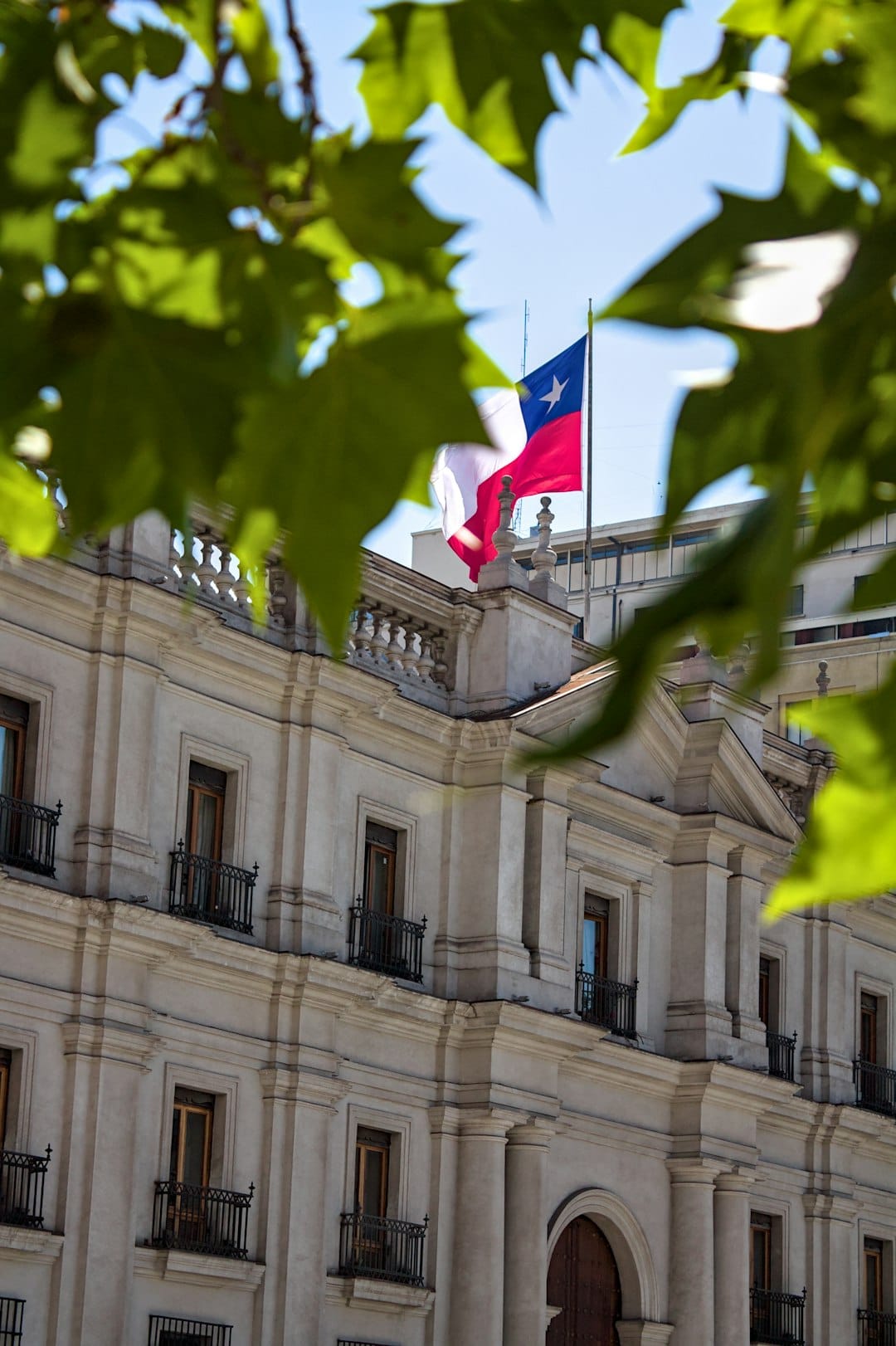
La Moneda, Santiago, MMN Correspondent: Something significant just happened in Chile's security landscape. President José Antonio Kast signed a constitutional reform proposal on Monday that could permanently alter how the nation fights drug trafficking, organized crime, and terrorism.
This is not just another bill. It is part of the Agenda against Organized Crime and Terrorism, better known as ACOT. If approved, public safety would become a constitutional duty of the State. That means every future government, no matter its ideology, would have to treat security as a top priority. The proposal also creates a brand new state of exception designed specifically for security emergencies, separate from the ones used for natural disasters or internal unrest.
What can this new state of exception do? In simple terms, it allows the armed forces to support police in areas with high crime rates. It also makes room for curfews and temporary restrictions on certain rights. These powers come with clear limits. Congress would have to approve them every 30 days, and judicial oversight remains in place. The goal is to give authorities speed and flexibility without stepping outside democratic safeguards.
Another part of the reform takes aim at criminal groups themselves. A national registry of criminal organizations would help authorities track structured gangs and their members. The proposal also opens the door to differentiated prison regimes. In practice, this means crime leaders could face stricter detention conditions than ordinary inmates, making it harder to run criminal operations from behind bars. And when it comes to assets, the State would gain broader powers to seize property, vehicles, and financial holdings, even if they are hidden through front companies or third parties.
President Kast made the urgency of this moment clear during the signing ceremony. "This reform does not belong to a government. It belongs to all of us. Chile belongs to all of us, and that is why I invite Parliament, from the signing of this constitutional reform project, to discuss with a broad vision and put Chileans first, put security first because it is a total urgency for our nation."
He also acknowledged the work of Carabineros, the Investigative Police, Gendarmerie, and the Armed Forces. Recent statistics show a measurable drop in homicides and kidnappings, along with larger drug seizures and better border control. Those gains are encouraging, and the president argues the next step is institutional strength. The constitutional reform, he says, is the missing layer that can make the progress last.
Senator Arturo Squella, president of the Republican Party, called the reform a turning point. "This reform will mark a before and after in how the State protects its people and directly pursues organized crime, drug trafficking, and rampant delinquency." He also urged Congress to move quickly, saying the constitutional reform is essential to bring public security up to the level Chileans expect.
Where did this reform come from? It builds on years of parliamentary discussion. Chile has seen a rise in violent crime, especially in the northern regions that serve as drug trafficking corridors. The homicide rate climbed nearly 30% between 2019 and 2023, and high profile cases of kidnapping and extortion have raised public concern. The ACOT agenda has already deployed military forces in border areas and created specialized police units. This constitutional reform is the legal foundation that allows those efforts to go further.
Whenever a State gains new powers, questions about civil liberties arise. Some human rights organizations and legal experts are asking how these tools will be used. The government's answer is that the design includes strict checks and balances. The new state of exception requires periodic congressional approval. The criminal registry would be managed by the judiciary, not the executive. Asset seizures would go through judicial review. Differentiated prison regimes would apply only to people convicted in organized crime cases.
Chile is not alone in this search for stronger security tools. Countries like El Salvador, Ecuador, and Mexico have experimented with their own approaches. Chile is carving its own path, one that seeks both firmness and legality. The hope is to protect citizens while also preserving the democratic values that define the country.
As the reform enters Congress, the political conversation will intensify. The government does not hold a majority, so dialogue and negotiation will be essential. Kast has said he is open to amendments, but not to losing the core purpose. For many Chileans, this debate is about more than legal text. It is about whether the State can meet their demand for safety without losing its soul.
The coming months will tell. If the reform passes, Chile will enter a new security era, built on constitutional commitment, smarter enforcement, and a clear message that organized crime has no place in the country. Until then, the government continues with the rest of the ACOT agenda, including more patrols, international intelligence cooperation, and community engagement. The constitutional reform may be the centerpiece, but the broader effort is already moving.
Related in Politics

Politics
Europe's New Aid Strategy: How Team Europe Is Protecting Workers and Fixing Supply Chains in 240 Million Crisis Zones
European Commissioner Lahbib Zouarhi recently took the stage at the Foreign Affairs Council to unveil a bold new vision for humanitarian aid. The message was clear. Europe must step up as "Team Europe" to tackle the growing number of global crises. With nearly 240 million people…
Read More...
Politics
Germany's Growth Mirage: Weidel Exposes the Debt Trap Behind Official Projections
The German federal government recently unveiled its autumn economic projections for October 2026, highlighting a projected growth rate of 1.3 percent for the current year. This optimistic forecast suggests a notable upswing in national economic activity. However, Alice Weidel, c…
Read More...
Politics
EU-Mexico Trade Alliance 2026: How This Partnership Is Reshaping Global Supply Chains
The European Union and Mexico have always been strong partners in multilateral cooperation. By September 2026 their relationship has become a key test for global economic resilience. Trade tensions are rising in many parts of the world. The EU-Mexico partnership offers stability…
Read More...
Politics
Ireland's EU Presidency: How Humanitarian Aid and Preparedness Build a Safer Future
As Ireland takes the helm of the Council of the European Union, Commissioner Lahbib highlights a pivotal moment for global engagement. Europe now faces a dual mandate that requires both moral leadership through humanitarian aid and strengthened internal resilience against a comp…
Read More...
Politics
Saxony-Anhalt Breaks Tradition: AfD's Tobias Rausch Takes Landtag Presidency
German politics witnessed a defining moment on October 6, 2026, when the newly constituted state parliament of Saxony-Anhalt elected Tobias Rausch as its Landtag President. This event marks the first time in the history of the Federal Republic that a member of the Alternative fo…
Read More...
Politics
Von der Leyen's Balkan Strategy: Why EU Expansion is a Mutual Transformation
Ursula von der Leyen has made it clear that the European Union’s path forward involves more than just opening borders. Her recent visits to the Western Balkans highlight a strategic shift where enlargement is treated as a mutual transformation rather than a one-sided gift from B…
Read More...
Politics
EU-Mexico Trade Shift 2026: What Nearshoring and Green Tech Mean for Your Business
The relationship between the European Union and Mexico is undergoing a significant transformation as we navigate through 2026. This partnership has evolved from traditional trade agreements into a robust framework focused on sustainable development digital innovation and diploma…
Read More...
Politics
Germany's 52% State Share: What This Record Means for Your Wallet and Economy
In early October 2026, Germany reached a notable economic milestone. The federal government projected a state share of 52 percent for the current year. This figure marks a new all-time high. It signals a substantial shift in how public expenditure relates to national economic ou…
Read More...
Politics
North Macedonia's EU Path: Security, Economy, and Institutional Readiness
In a significant diplomatic engagement held in Skopje, European leadership reaffirmed its commitment to North Macedonia’s accession to the European Union, highlighting the nation’s pivotal role in regional security and economic stability. The dialogue underscored North Macedonia…
Read More...
Politics
Germany's Subsidy Crisis: Why Taxpayers Are Demanding Fiscal Reform Now
In October 2026, the Bund der Steuerzahler released its annual "Black Book," a detailed report exposing state-funded waste and inefficient subsidy programs across Germany. This publication has sparked a significant conversation about fiscal responsibility, revealing how public f…
Read More...