
Chile’s Operation Cancerbero: 687 High-Risk Inmates Just Moved, and Here’s What You Need to Know
We compile, generate and translate using Artificial Intelligence from the below given source. Macro Micro News is responsible for its editorial publication.
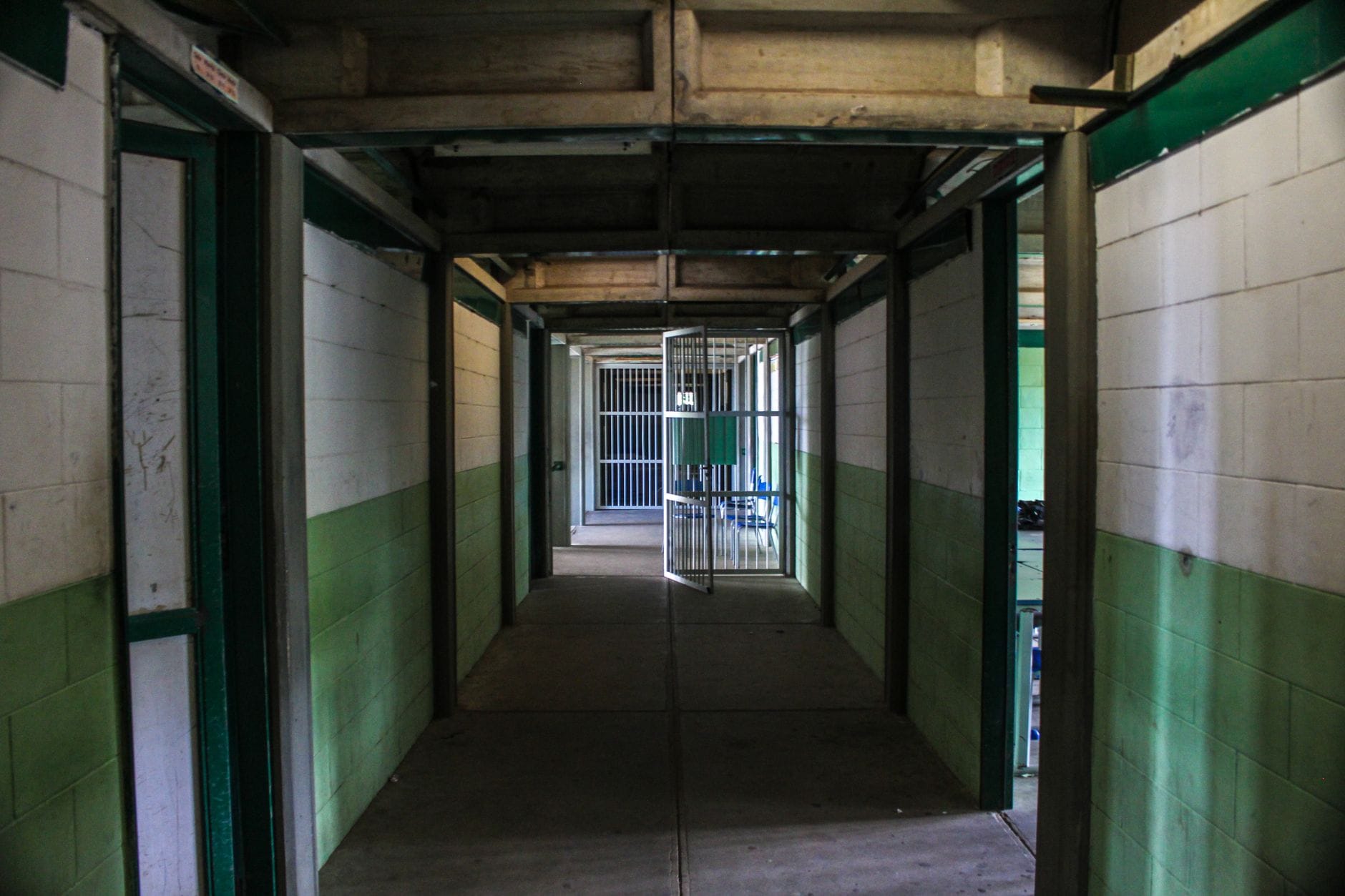
Talca, Chile, MMN Correspondent: The first wave of Operation Cancerbero rolled out across Chile on Thursday, and it didn't take long for the message to land. Hundreds of the country's most dangerous inmates are being moved into a fortified prison complex in Talca, far from the crowded cellblocks where they once had too much freedom to run criminal operations. The transfer of 687 high-risk prisoners into Complejo Penitenciario La Laguna is being called one of the most decisive security moves in recent Chilean history. Among those relocated are 37 members of criminal organizations. That group includes nine leaders and 28 key operatives. Another 154 inmates are classified as high-profile dangers, individuals considered an exceptional threat to public safety. This operation has the weight of a full-scale reset. It goes far beyond a routine transfer. Republican Party Secretary General Vicente Bruna hasn't held back. In a statement that quickly went viral across political circles, he said, "The left is watching a government that does the work they never did." Those words carry weight because they tap into something many Chileans have felt for a long time: a frustration with systems that seemed too soft on organized crime. The new prison regime at La Laguna is built to cut criminals off from the outside world completely. Inmates are placed in strict segregation, with no mixing with the general prison population. High-definition cameras and motion sensors are everywhere. Uniforms are mandatory. Visitation has been sharply limited. Cash is prohibited inside the facility. And advanced jamming technology blocks unauthorized phone and radio signals. That last part matters more than most people realize. For years, prison bosses in Chile have used smuggled phones to run drug deals, extortion rings, and even murder plots from their cells. They turned prisons into command centers. Operation Cancerbero is designed to shut those operations down permanently. Bruna sharpened that message with another line: "The hand has changed. Now it is the criminals who must fear." This moment doesn't exist in a vacuum. Chile has seen a steady climb in violent crime over the last decade, much of it connected to international drug trafficking. The country has become a key transit point for cocaine moving from Bolivia and Peru toward Europe and Asia. That flow of drugs has fueled local gang violence, corruption, and a deep sense of insecurity in cities like Santiago. The previous government under President Gabriel Boric promised safer streets and focused on social programs and police reform. Many voters wanted more direct action. When José Antonio Kast won the presidency on a tough-on-crime platform, he promised to recover the streets and take back the prisons. Operation Cancerbero is the most visible proof yet that he meant it. The name itself, Cancerbero, comes from Cerberus, the three-headed dog of Greek mythology that guards the gates of the underworld. It's an appropriate image for a prison built to be inescapable. The La Laguna complex has reinforced perimeter walls, electronic detection systems, and a rapid-response unit ready at all times. The government also plans to expand the model to other facilities. Some legal experts have raised questions about extreme isolation and whether it respects international human rights standards. The government has answered by saying the measures include periodic reviews and access to legal counsel. The focus, they say, is on protecting society and dismantling the criminal networks that have for too long operated from inside prison walls. Public reaction suggests most Chileans are backing the move. A poll by Cadem found 72% approval of the government's prison security handling, and 68% believe transferring high-risk inmates to specialized facilities will actually reduce crime. That number reflects a wider shift across Latin America, where voters are increasingly demanding stronger responses to organized crime. For the Republican Party, this operation is more than a policy win. It positions them as the party that gets things done. Bruna's comment about the left watching a government that does the work is aimed squarely at voters who feel previous leadership failed them. And it's resonating far beyond Chile. The transfer operation is still underway, with all eyes on Talca. The real test will come in the months ahead. Will isolating these leaders make streets safer? Will the intelligence gathered through new surveillance lead to bigger arrests? Those questions will help determine how lasting an impact this operation truly has. President Kast made his intentions clear in a televised address. He said the mission is to defeat criminals, and Operation Cancerbero is just the beginning. He promised to expand this model to other prisons until every inmate in Chile understands that crime does not pay. For now, the operation has shifted the national conversation. Whether people support it or question it, they're talking about prison reform, crime prevention, and personal security in a new way. That alone marks a turning point. And as Bruna said, the criminals are being moved, the prisons are being secured, and the people of Chile are safer tonight than they were yesterday. That is work.
Related in Politics
Politics
Europe's New Aid Strategy: How Team Europe Is Protecting Workers and Fixing Supply Chains in 240 Million Crisis Zones
European Commissioner Lahbib Zouarhi recently took the stage at the Foreign Affairs Council to unveil a bold new vision for humanitarian aid. The message was clear. Europe must step up as "Team Europe" to tackle the growing number of global crises. With nearly 240 million people…
Read More...
Politics
Germany's Growth Mirage: Weidel Exposes the Debt Trap Behind Official Projections
The German federal government recently unveiled its autumn economic projections for October 2026, highlighting a projected growth rate of 1.3 percent for the current year. This optimistic forecast suggests a notable upswing in national economic activity. However, Alice Weidel, c…
Read More...
Politics
EU-Mexico Trade Alliance 2026: How This Partnership Is Reshaping Global Supply Chains
The European Union and Mexico have always been strong partners in multilateral cooperation. By September 2026 their relationship has become a key test for global economic resilience. Trade tensions are rising in many parts of the world. The EU-Mexico partnership offers stability…
Read More...
Politics
Ireland's EU Presidency: How Humanitarian Aid and Preparedness Build a Safer Future
As Ireland takes the helm of the Council of the European Union, Commissioner Lahbib highlights a pivotal moment for global engagement. Europe now faces a dual mandate that requires both moral leadership through humanitarian aid and strengthened internal resilience against a comp…
Read More...
Politics
Saxony-Anhalt Breaks Tradition: AfD's Tobias Rausch Takes Landtag Presidency
German politics witnessed a defining moment on October 6, 2026, when the newly constituted state parliament of Saxony-Anhalt elected Tobias Rausch as its Landtag President. This event marks the first time in the history of the Federal Republic that a member of the Alternative fo…
Read More...
Politics
Von der Leyen's Balkan Strategy: Why EU Expansion is a Mutual Transformation
Ursula von der Leyen has made it clear that the European Union’s path forward involves more than just opening borders. Her recent visits to the Western Balkans highlight a strategic shift where enlargement is treated as a mutual transformation rather than a one-sided gift from B…
Read More...
Politics
EU-Mexico Trade Shift 2026: What Nearshoring and Green Tech Mean for Your Business
The relationship between the European Union and Mexico is undergoing a significant transformation as we navigate through 2026. This partnership has evolved from traditional trade agreements into a robust framework focused on sustainable development digital innovation and diploma…
Read More...
Politics
Germany's 52% State Share: What This Record Means for Your Wallet and Economy
In early October 2026, Germany reached a notable economic milestone. The federal government projected a state share of 52 percent for the current year. This figure marks a new all-time high. It signals a substantial shift in how public expenditure relates to national economic ou…
Read More...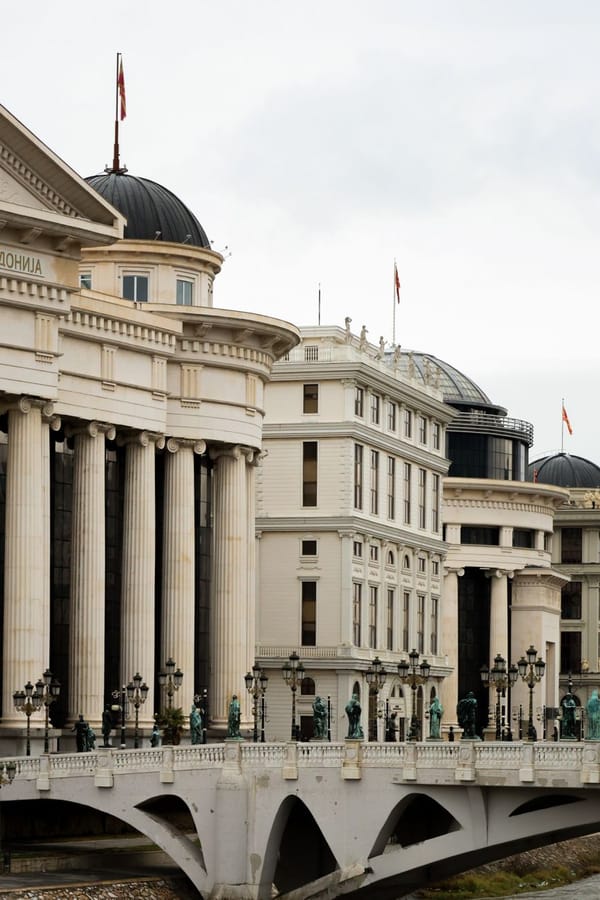
Politics
North Macedonia's EU Path: Security, Economy, and Institutional Readiness
In a significant diplomatic engagement held in Skopje, European leadership reaffirmed its commitment to North Macedonia’s accession to the European Union, highlighting the nation’s pivotal role in regional security and economic stability. The dialogue underscored North Macedonia…
Read More...
Politics
Germany's Subsidy Crisis: Why Taxpayers Are Demanding Fiscal Reform Now
In October 2026, the Bund der Steuerzahler released its annual "Black Book," a detailed report exposing state-funded waste and inefficient subsidy programs across Germany. This publication has sparked a significant conversation about fiscal responsibility, revealing how public f…
Read More...