
China's Coal Comeback: 30 GW Added, Record Clean Energy Unused, and What It Means for You
We compile, generate and translate using Artificial Intelligence from the below given source. Macro Micro News is responsible for its editorial publication.
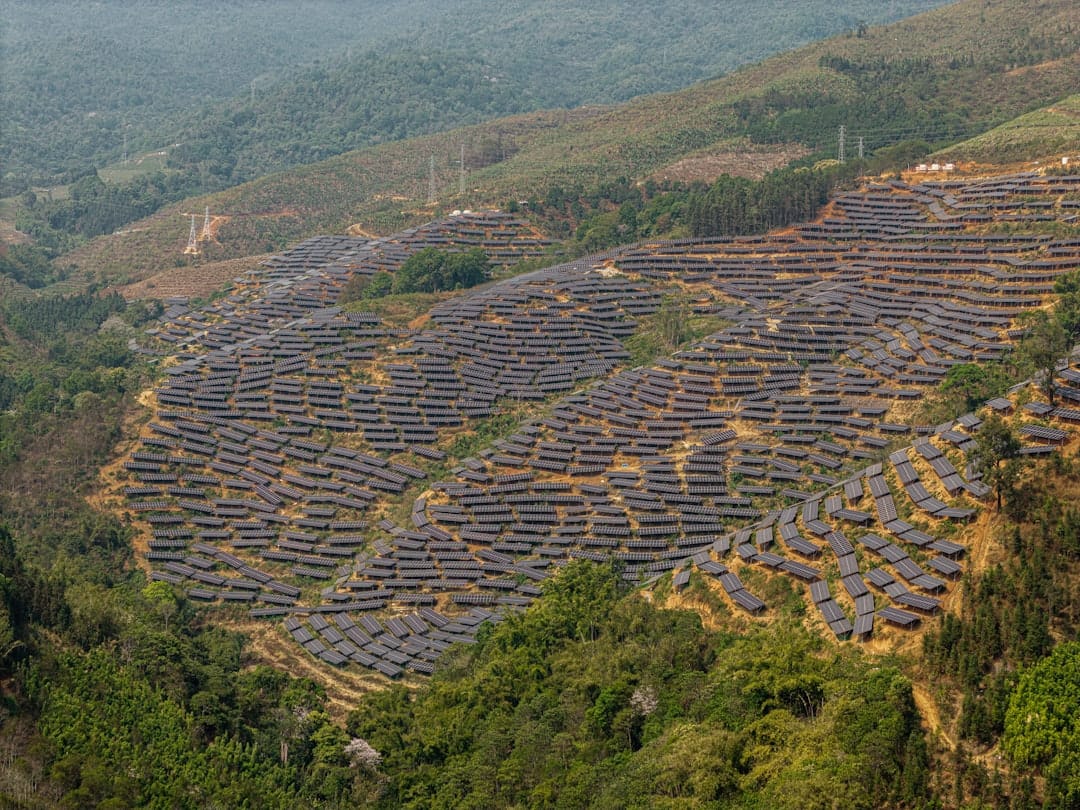
Beijing, China, MMN Correspondent: What happens when a nation builds record wind and solar capacity and adds 30 gigawatts of coal in the same six months? China just showed us.
China added 30 gigawatts of new coal capacity in the first half of 2026 and retired 2.7 gigawatts. Coal-fired generation rose 3 percent compared with the first half of 2025. That followed a modest decline across 2025. All of this took place during a stretch when wind and solar installations reached record highs.
The numbers come from a new report by the Centre for Research on Energy and Clean Air and Global Energy Monitor. Renewable capacity grew faster than ever in the same period. The challenge is that the grid could not absorb all of that clean power. Curtailment, the intentional reduction of renewable output, rose roughly 50 percent year on year. The unused electricity equaled Indonesia's entire annual electricity output.
This expansion did not appear overnight. A wave of coal plant approvals began in 2021 after high coal prices caused blackouts and factory shutdowns in about 20 provinces. Local governments fast-tracked projects to protect against future shortages. That wave is now showing up in real capacity.
The report also notes that another 274 gigawatts of coal capacity is under construction or permitted. That equals about one fifth of China's existing coal fleet. These projects are largely locked in for years, no matter how fast renewable energy scales up.
Qi Qin, the report's author, called the situation a climate concern. New coal plants need to earn revenue and run for decades. That can keep older units active for longer and reduce the space available for cleaner energy on the grid.
In parallel, Beijing's policy language is evolving. Recent documents call for reasonable control of both coal capacity and the amount of electricity generated from coal. The latest five-year plan targets a 17 percent cut in carbon intensity, or emissions per unit of GDP, between 2026 and 2030, with net zero by 2060. Qi Qin notes a gap between that direction and the reality on the ground, where coal remains protected.
The reason coal keeps its position is structural. Coal generators must sign long-term contracts covering 70 percent of their previous year's output. The contracts give them predictable prices and utilization rates. In practice, that shields coal from direct competition with cheaper renewable power.
China has also introduced capacity payments this year. These payments reward coal plants for being available to generate, even when they are not running. Each mechanism can make sense for grid reliability. Together, they make it difficult for renewables to take priority. When wind and solar output is high, coal operators have little reason to reduce their own generation and no rule requiring them to do so.
The report suggests a different set of options. It proposes lowering or suspending coal contract minimums in provinces with high clean energy curtailment or zero or negative electricity prices. This would let coal transition into a flexible backup role. It also calls for a pause on new coal permits and a review of approved projects. On the grid side, the authors recommend more investment in transmission lines, cross-provincial power trade, and storage. Those steps can strengthen reliability and support clean energy at the same time.
The timing matters far beyond China. Its energy choices affect the global goal of limiting warming to 1.5 degrees Celsius. The report is essentially a practical guide for aligning infrastructure and policy with climate targets. The technology for a cleaner grid exists. The market design now needs to evolve.
For anyone following the transition, the message is clear. Building more wind and solar farms is only part of the equation. The grid, the contracts, and the incentives around them must change in parallel. That is the real opportunity here. With the right adjustments, coal can fade into a backup role and wind and solar can take the lead.
Related in Global Warming

Scientific Research
How PLOS Climate Is Reshaping Global Science: The Open Access Advantage
In the fast-moving world of scientific communication, open access journals are doing more than just sharing papers. They are breaking down walls that have long kept knowledge out of reach. PLOS Climate stands at the center of this shift. As a key part of the Public Library of Sc…
Read More...
Scientific Research
PLOS Climate: How Open Access is Reshaping Global Warming Solutions
The landscape of scientific publishing is shifting beneath our feet. Accessibility and transparency are no longer just nice-to-have features; they are the bedrock upon which we address the most pressing challenges of our time. The Public Library of Science (PLOS), a nonprofit ba…
Read More...
Scientific Research
PLOS Climate: Why Broken Links Threaten Global Science Access
The digital landscape of scientific communication is shifting beneath our feet. As climate research accelerates, the integrity and accessibility of this data have become paramount. Specialized journals like PLOS Climate face constant challenges regarding content availability and…
Read More...
Scientific Research
Why Climate Data Links Fail: The Open Access Fix You Need Now
Imagine clicking a link to the latest climate study only to hit a dead end. That frustrating 'Page Not Found' error is more than a technical glitch. It represents a significant barrier in the fight against misinformation and delayed action. When vital research on global warming…
Read More...
Scientific Research
PLOS Climate: The Open Access Frontier for Global Warming Research
The landscape of scientific publishing is shifting rapidly. Accessibility and transparency are no longer just ideals but necessities. PLOS, a nonprofit organization based in California, stands at the forefront of this movement. They champion open access to peer-reviewed research…
Read More...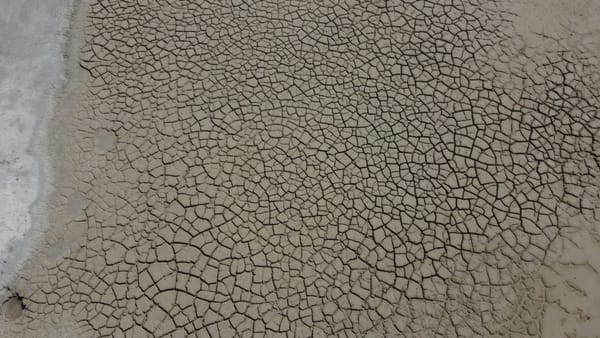
Global Warming
COP17 Mongolia: The Desertification Summit Deciding Your Food and Water Future
Around 10,000 people are heading into a national park near Ulaanbaatar this week. They've gathered for COP17, the seventeenth Conference of Parties to the United Nations Convention to Combat Desertification. The meeting runs from August 17 to 28, and it could determine how farms…
Read More...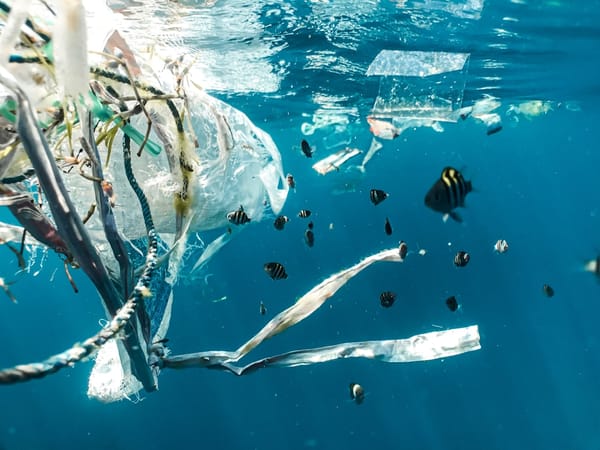
Global Warming
Plastics Treaty Draft Leaves Out Production Cuts: What It Means for You and the Planet
The newest draft of the global plastics treaty has arrived, and it is missing something many countries consider essential. Chilean ambassador Julio Cordano, the diplomat chairing the United Nations talks, released the document as an informal reference text. It reads a lot like a…
Read More...
Global Warming
What You Need to Know About South Africa’s Offshore Oil Court Battle: Communities Take On Shell and TotalEnergies
Layers of red dust still coat Saldanha Bay, a reminder of the iron ore exports that transformed a quiet coastal fishing town in the 1970s. Today, the same bay is being prepared for a different role. The South African government wants to turn it into the country's oil and gas hub…
Read More...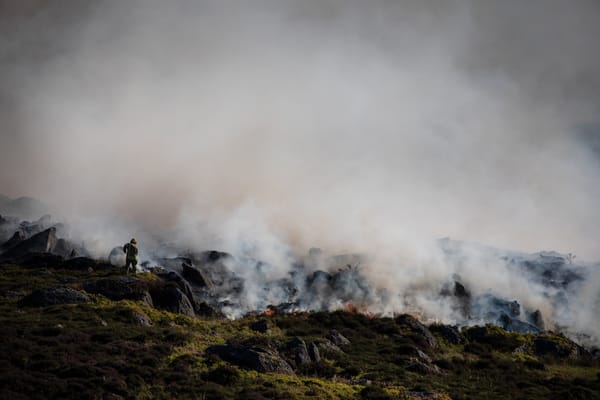
Global Warming
UK Wildfire Crisis 2026: 71% of England in Drought and Firefighters Overwhelmed, Are We Ready for What's Next?
The United Kingdom is living through a fire emergency that keeps growing. Dry landscapes, repeated heatwaves, and shifting wind patterns have turned large parts of the country into a potential tinderbox. Firefighters are working long shifts to contain flames in Hampshire, Nottin…
Read More...
Global Warming
Canada’s Out-of-Control Wildfires: 22,000 Flee British Columbia, and What That Means for Your Community
Summerland received its evacuation order with little time to spare. Across British Columbia, around 22,000 people have now left their homes as 102 active wildfires spread through the province. Nearly half of those fires are listed as uncontrolled. The Bald Range fire grew to mor…
Read More...