
Curiosity Rover Targets 'Nazca': Decoding Martian Crystal Forms and Ancient Fluids
We compile, generate and translate using Artificial Intelligence from the below given source. Macro Micro News is responsible for its editorial publication.
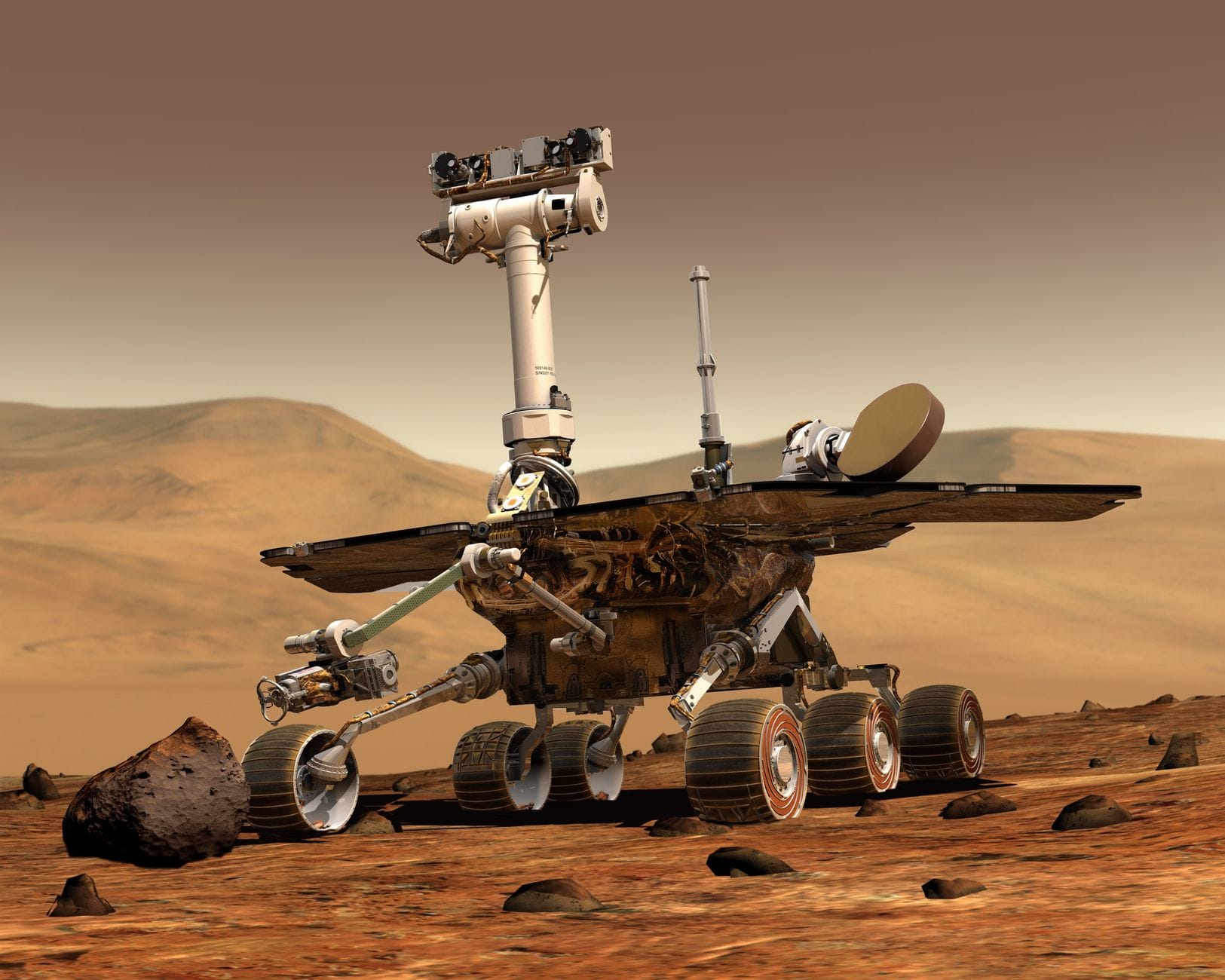
Mars, Source:
NASA’s Mars rover Curiosity has entered a critical phase of exploration at Gale Crater, shifting its focus to a new drill target informally named "Nazca." Located just meters from the previously studied "Chiu Chiu" block, this site was selected after post-drive imaging revealed a surface densely packed with distinctive disc- and needle-shaped mineral structures. These unique textures offer scientists a rare window into the geological history of Mars, specifically regarding the presence of ancient fluids and salt deposits.
The primary scientific objective is to understand the formation of these crystal forms. Researchers hypothesize that the shapes originated during the crystallization process, where minerals grew into specific geometries dictated by their microscopic structure. Similar to salt crystals formed in kitchen experiments, Martian minerals often adopt characteristic shapes based on temperature and fluid availability during their formation. However, a key challenge lies in distinguishing original minerals from "pseudomorphs"-newer minerals that have replaced the original ones while retaining their shape. By analyzing the size and composition of these crystals, scientists can infer the thermal conditions and chemical environment present when they first formed billions of years ago.
To achieve high-fidelity data, the mission team has programmed a suite of advanced observational techniques. The Mars Hand Lens Imager (MAHLI) will execute Quantitative Relief Model (QRM) observations, capturing overlapping images from multiple angles to construct detailed three-dimensional models of the rock surface. Additionally, MAHLI will increase its resolution by doubling the number of focus steps, allowing for microscopic examination of the crystal textures. Simultaneously, the Chemistry and Camera (ChemCam) instrument will perform a depth profile experiment on a nearby target named "Toucan." By concentrating 150 laser shots on a single spot rather than spreading them out, ChemCam will penetrate approximately five times deeper than standard observations, revealing whether the internal composition differs from the surface due to modern environmental exposure or original formation processes.
Before drilling commences, the rover will also utilize the Alpha Particle X-ray Spectrometer (APXS) and the Drill Rotation Tool (DRT) to characterize the surface composition of Nazca thoroughly. A secondary target, "Condor," will be analyzed for its finely layered texture, providing additional context on sedimentary processes. Beyond geology, the mission continues to monitor the modern Martian atmosphere. Nighttime imaging of Phobos, Mars’ larger moon, is being used to estimate particle sizes in high-altitude carbon dioxide clouds by observing sunlight scattering through the atmosphere, offering insights into current weather patterns and atmospheric dynamics.
Related in Space Tech
Space Tech
Pegasus Galaxy Collision: What Happens When NGC 7771 Merges?
The cosmos operates on a scale that defies human intuition. Galaxies are not static objects floating in void but dynamic entities engaged in a slow-motion dance spanning billions of years. The NGC 7771 group offers a striking glimpse into this celestial choreography. Located app…
Read More...
Space Tech
Lynds 1251: How Dark Dust Clouds Ignite New Stars in the Cosmos
The cosmos often feels like a silent void, but that darkness is actually a canvas waiting for creation. On November 23, 2026, the Astronomy Picture of the Day featured Lynds 1251, a dark nebula affectionately called the Rotten Fish Nebula. This image does more than show empty sp…
Read More...
Space Tech
Jupiter's Color Code: How Juno Deciphers the Gas Giant's Atmospheric Palette
The gas giant Jupiter has long captivated astronomers with its dynamic atmosphere, a swirling canvas of storms and bands that have been observed for centuries. However, the precise chemical mechanisms behind the planet's vibrant hues remain one of astrophysics' enduring enigmas.…
Read More...
Space Tech
Voyager 2 at Neptune: The Last Look from the Edge of Our Solar System
On November 21, 2026, NASA’s Astronomy Picture of the Day showcases a breathtaking composite image of Neptune. This visual record comes from Voyager 2, the only spacecraft to ever visit this ice giant during its historic flyby. The image stands as a powerful testament to human i…
Read More...
Space Tech
Voyager 1 Enters Interstellar Space: The Historic Milestone of November 2026
On November 20, 2026, the astronomical community marked a profound milestone as NASA’s Astronomy Picture of the Day highlighted the historic journey of Voyager 1. The featured image, captured by the Emirates Astronomical Observatory, depicts a time-exposure photograph where Mors…
Read More...
Space Tech
Orion's Cosmic Canvas: Horsehead and Flame Nebulas Revealed in Stunning Detail
The night sky often serves as a canvas for some of the most breathtaking natural artistry in the universe. Few images capture this essence quite like the combined view of the Horsehead and Flame Nebulas. This celestial scene offers a profound glimpse into the dynamic processes o…
Read More...
Space Tech
M-Class Solar Flare: How NASA's New Image Reveals the Sun's Extreme Heat Mystery
On November 18, 2026, NASA’s Astronomy Picture of the Day shared a striking image captured on May 14, 2025. This visual record highlights an M-class solar flare and invites you to look closer at the dynamic processes shaping our star. The photograph displays bright loops of plas…
Read More...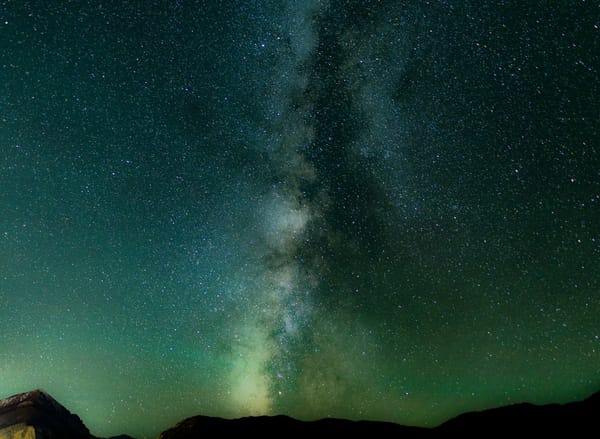
Space Tech
Milky Way Meets Aurora: The Rare Sky Event of November 17, 2026
On November 17, 2026, the night sky presented a breathtaking spectacle that blurred the lines between the distant cosmos and our immediate atmospheric environment. Captured in northern regions, an image revealed two majestic arches dominating the heavens, creating a visual illus…
Read More...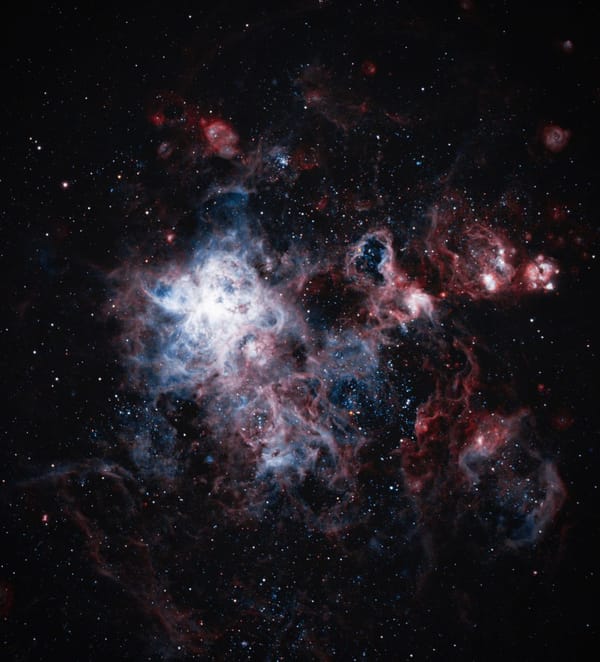
Space Tech
Webb Telescope Reveals NGC 7129: How Violent Jets Sculpt New Stars
The James Webb Space Telescope has delivered a stunning new view of NGC 7129, a star-forming region located about 3,000 light-years away in the constellation Cepheus. This celestial nursery offers astronomers a rare chance to study how stars are born within chaotic and turbulent…
Read More...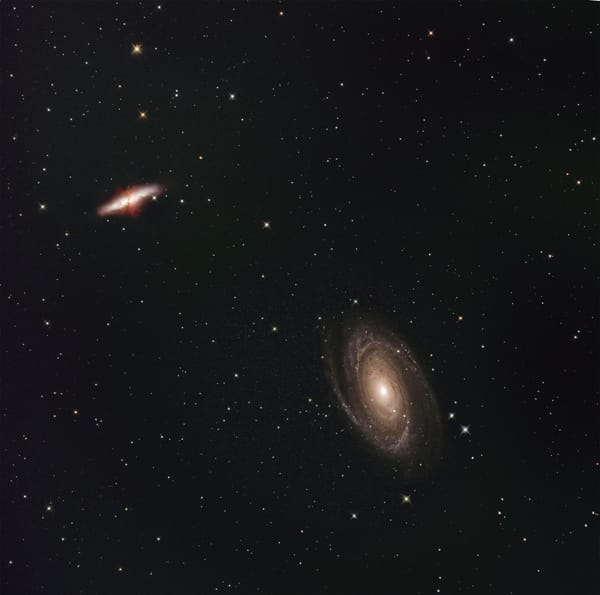
Space Tech
NASA Chandra Data Reveals Why Massive Star AT 2016blu Keeps Exploding
Astronomers have used NASA’s Chandra X-ray Observatory to uncover the reasons behind the erratic behavior of a massive star named AT 2016blu. This discovery offers a clearer picture of how unstable stars evolve and release energy in violent bursts. The star resides in the spiral…
Read More...