
Ekurhuleni's 90.38% Collection Rate Masks a 6.79% Payment Gap: What South African Residents Should Know
We compile, generate and translate using Artificial Intelligence from the below given source. Macro Micro News is responsible for its editorial publication.
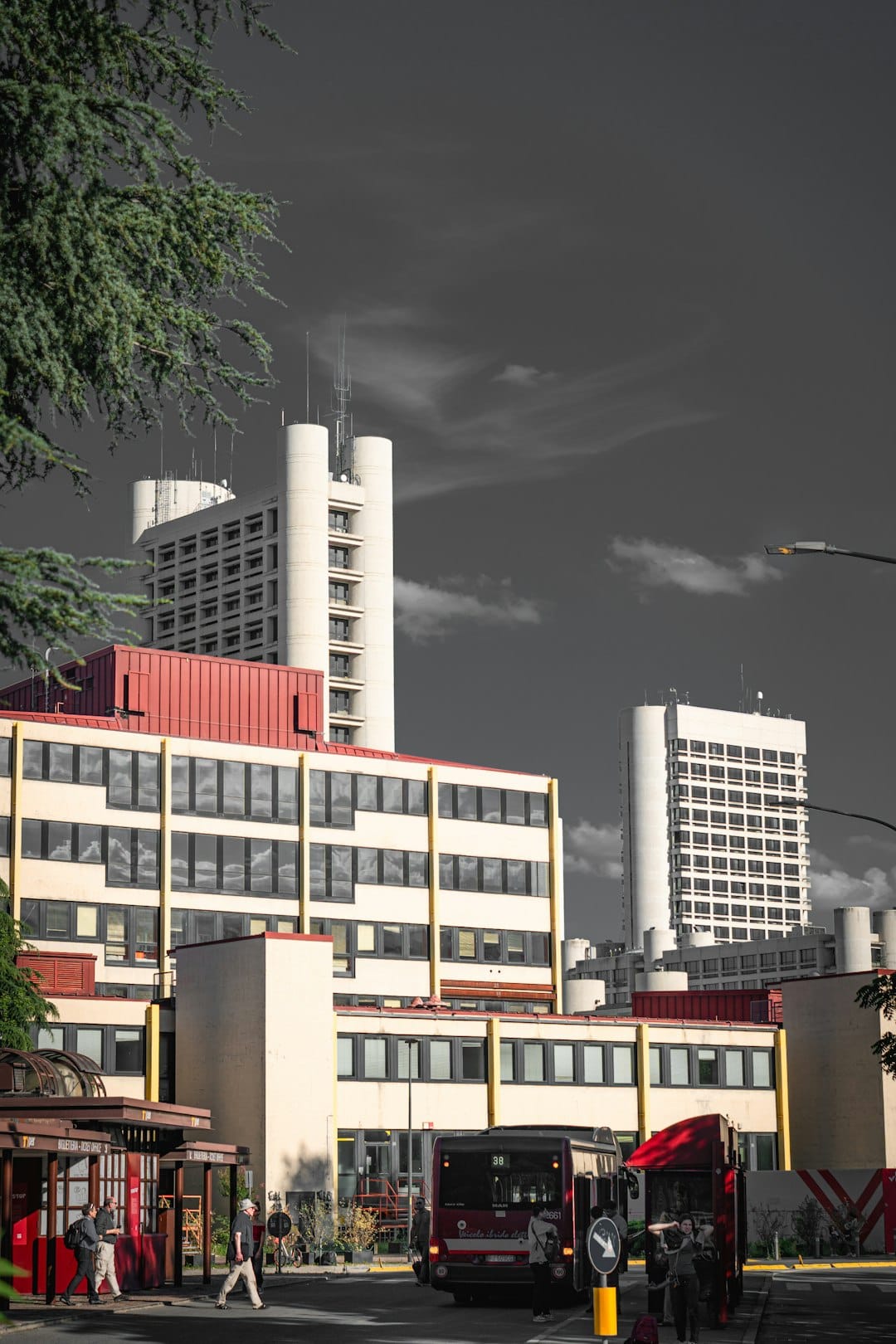
Ekurhuleni, South Africa - MMN Correspondent: The City of Ekurhuleni reports a 90.38% annual debt collection rate. It is a number that sounds reassuring, especially for a metro of this size. But the figure is an average, and averages can be deceiving. Some neighborhoods are paying almost all of their municipal bills. Others are paying less than 7%. That gap is not just a footnote to a spreadsheet. It is a fundamental challenge facing the city's finances.
Let's look at the data closely. Etwatwa's collection rate sits at 6.79%. That means more than 93% of what was billed remains unpaid. KwaThema comes in at 22.84%, Katlehong at 23.72%, and Daveyton at 43.63%. These are not isolated figures. They reflect real households and businesses with different circumstances and constraints. The reasons behind these numbers deserve attention, not judgement.
In other parts of the metro, the picture is different. Boksburg collects 95.41% of billed revenue. Kempton Park collects 96.65%. Edenvale leads with 99%. When these numbers are placed side by side, the headline average starts to look less like a snapshot of the whole city and more like a patchwork of outcomes. The real opportunity lies in understanding what the higher performing areas are doing well and how those lessons can be shared where collections are falling short.
The Freedom Front Plus (VF Plus) has been vocal on this issue. During the budget process, the party warned against planning for a straightforward 90% collection rate. It suggested that the metro also look at more cautious scenarios of 85% and 88%. The latest report appears to validate that concern. A municipality cannot build a sustainable budget when certain communities are paying so little. The revenue from tariffs is what keeps lights on, roads maintained, and services running. When that revenue does not materialise, the shortfall has to be absorbed, and the pressure often lands on those who have already paid.
Fairness comes into play here as well. People who pay their utility bills on time should not be asked to carry the weight of empty accounts. There is a temptation to increase tariffs to cover the gap, but that approach punishes the exact residents who are doing the right thing. The VF Plus argues that the better path is to create area-specific collection plans. That means setting clear monthly targets, naming officials who are accountable for results, and reporting progress in a transparent way. If an area is underperforming, the focus should be on understanding why and fixing the process.
This challenge is not unique to Ekurhuleni. Municipalities across South Africa are dealing with non-payment, unemployment, and years of broken trust. But the size of the gap in Ekurhuleni makes it hard to ignore. When some areas collect nearly everything and others collect less than 10%, the problem is not solely about income levels. It may also point to service delivery issues, weak enforcement, or a belief among residents that payment does not make a difference.
The VF Plus says it will continue to push the metro for a more transparent approach. The party's position is simple. Residents who pay their share should not face endless tariff hikes while other areas are left without proper follow-up. The broader impact goes beyond Ekurhuleni. Low collection rates force municipalities into cash flow problems, delayed payments to suppliers, and a slow decline in service quality. That can create a cycle where residents feel less inclined to pay, making the situation worse.
For the metro, the way forward involves looking beyond the smooth average. It means engaging with communities to hear why they are not paying. It means improving communication about where money goes. And it means putting targeted interventions in place for the areas with the lowest collection rates. None of this is easy, but it is necessary. The 90.38% figure is real, and so is the 6.79% figure. Both deserve to be seen clearly. Only then can the city build a financial future that is fair, sustainable, and genuinely accountable to everyone.
Related in Politics
Politics
Europe's New Aid Strategy: How Team Europe Is Protecting Workers and Fixing Supply Chains in 240 Million Crisis Zones
European Commissioner Lahbib Zouarhi recently took the stage at the Foreign Affairs Council to unveil a bold new vision for humanitarian aid. The message was clear. Europe must step up as "Team Europe" to tackle the growing number of global crises. With nearly 240 million people…
Read More...
Politics
Germany's Growth Mirage: Weidel Exposes the Debt Trap Behind Official Projections
The German federal government recently unveiled its autumn economic projections for October 2026, highlighting a projected growth rate of 1.3 percent for the current year. This optimistic forecast suggests a notable upswing in national economic activity. However, Alice Weidel, c…
Read More...
Politics
EU-Mexico Trade Alliance 2026: How This Partnership Is Reshaping Global Supply Chains
The European Union and Mexico have always been strong partners in multilateral cooperation. By September 2026 their relationship has become a key test for global economic resilience. Trade tensions are rising in many parts of the world. The EU-Mexico partnership offers stability…
Read More...
Politics
Ireland's EU Presidency: How Humanitarian Aid and Preparedness Build a Safer Future
As Ireland takes the helm of the Council of the European Union, Commissioner Lahbib highlights a pivotal moment for global engagement. Europe now faces a dual mandate that requires both moral leadership through humanitarian aid and strengthened internal resilience against a comp…
Read More...
Politics
Saxony-Anhalt Breaks Tradition: AfD's Tobias Rausch Takes Landtag Presidency
German politics witnessed a defining moment on October 6, 2026, when the newly constituted state parliament of Saxony-Anhalt elected Tobias Rausch as its Landtag President. This event marks the first time in the history of the Federal Republic that a member of the Alternative fo…
Read More...
Politics
Von der Leyen's Balkan Strategy: Why EU Expansion is a Mutual Transformation
Ursula von der Leyen has made it clear that the European Union’s path forward involves more than just opening borders. Her recent visits to the Western Balkans highlight a strategic shift where enlargement is treated as a mutual transformation rather than a one-sided gift from B…
Read More...
Politics
EU-Mexico Trade Shift 2026: What Nearshoring and Green Tech Mean for Your Business
The relationship between the European Union and Mexico is undergoing a significant transformation as we navigate through 2026. This partnership has evolved from traditional trade agreements into a robust framework focused on sustainable development digital innovation and diploma…
Read More...
Politics
Germany's 52% State Share: What This Record Means for Your Wallet and Economy
In early October 2026, Germany reached a notable economic milestone. The federal government projected a state share of 52 percent for the current year. This figure marks a new all-time high. It signals a substantial shift in how public expenditure relates to national economic ou…
Read More...
Politics
North Macedonia's EU Path: Security, Economy, and Institutional Readiness
In a significant diplomatic engagement held in Skopje, European leadership reaffirmed its commitment to North Macedonia’s accession to the European Union, highlighting the nation’s pivotal role in regional security and economic stability. The dialogue underscored North Macedonia…
Read More...
Politics
Germany's Subsidy Crisis: Why Taxpayers Are Demanding Fiscal Reform Now
In October 2026, the Bund der Steuerzahler released its annual "Black Book," a detailed report exposing state-funded waste and inefficient subsidy programs across Germany. This publication has sparked a significant conversation about fiscal responsibility, revealing how public f…
Read More...