
Elite Gymnast Shoulder Strength: Biomechanical Insights for Injury Prevention
We compile, generate and translate using Artificial Intelligence from the below given source. Macro Micro News is responsible for its editorial publication.
Switzerland, Source:
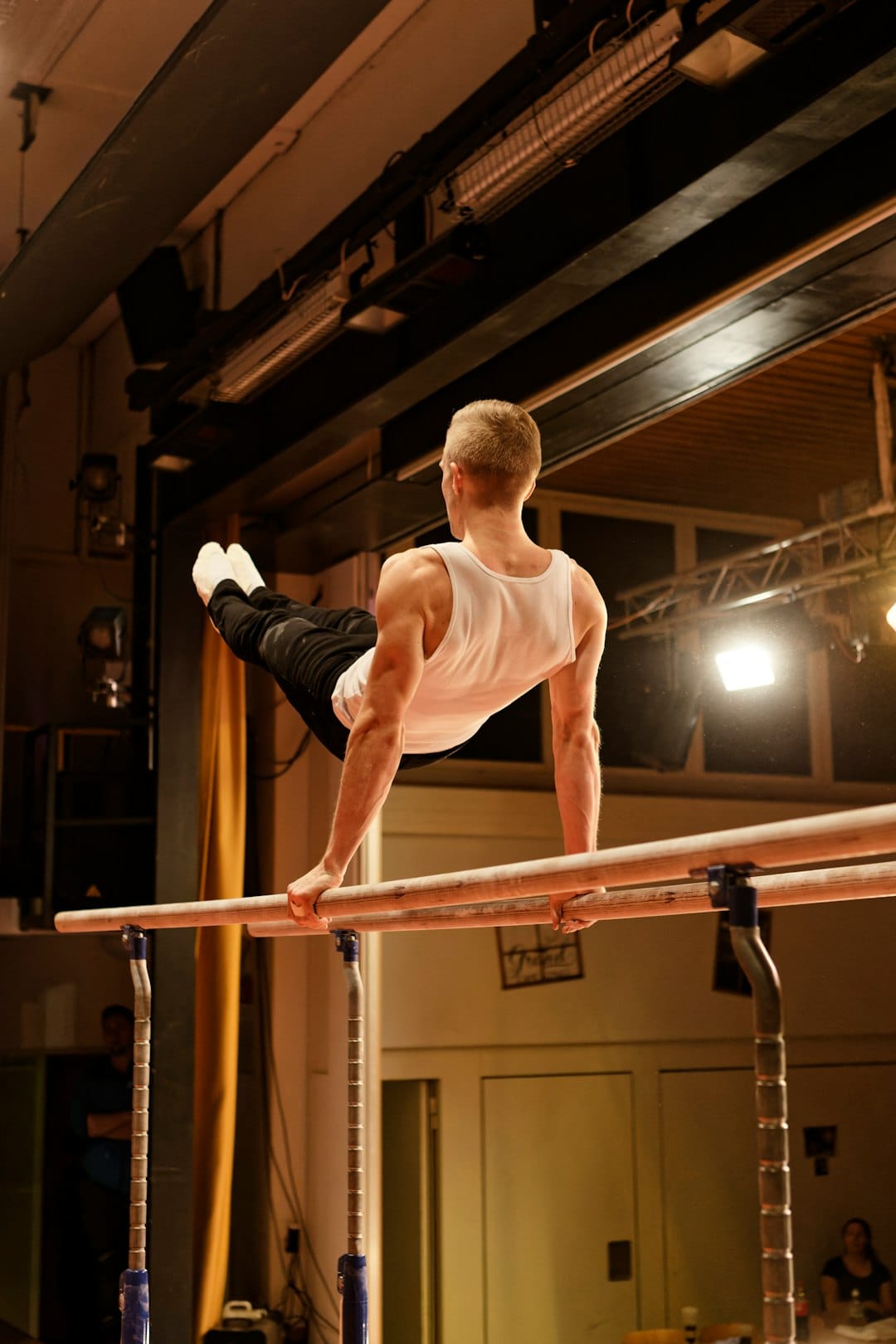
Shoulder injuries stand as a primary hurdle in artistic gymnastics. This sport requires extreme ranges of motion and places heavy loads on the upper body. A recent study published in Sports (MDPI) explores the biomechanical advantages held by competitive male gymnasts. The research compares these athletes to non-specialists. It focuses on rotator muscle strength, rotation ratios, and fatigue resistance. These insights help optimize training protocols and injury prevention strategies.
The investigation included twenty-six participants. Thirteen were competitive male gymnasts. The other thirteen were physical education students acting as a control group. All subjects had no prior shoulder disorders. Researchers used isometric and isokinetic assessments. They measured peak torque at speeds of 60°·s⁻¹ and 180°·s⁻¹. To simulate competition stress, participants performed fifty maximal concentric internal and external rotations at 240°·s⁻¹. Measurements were taken before and after this intense exertion.
Competitive gymnasts showed significantly higher body mass-normalized peak torque. This advantage appeared across all key strength conditions compared to the control group. This indicates superior baseline capacity for shoulder stabilization and power generation. Years of specialized training likely contribute to this result. Conventional and functional strength ratios remained comparable between groups before fatigue. The response to exhaustion differed markedly afterward. Gymnasts generally maintained their pre-fatigue strength ratios. The control group exhibited more pronounced shifts. This suggests elite gymnasts possess neuromuscular efficiency that preserves joint stability under metabolic stress.
The study found no significant difference in the rate or pattern of torque decline during the protocol. Both groups experienced progressive declines in normalized peak torque. This indicates that while gymnasts are stronger, their fundamental fatigue mechanics may not differ substantially from untrained individuals in this context. However, the ability of gymnasts to maintain functional ratios despite this decline highlights a qualitative difference in load management.
These results underscore the importance of comprehensive shoulder assessment in athletic monitoring. Integrating isometric and isokinetic testing with fatigue protocols provides deeper insights into athlete readiness and vulnerability. The data supports individualized training programs. Such programs enhance raw strength and reinforce functional balance between internal and external rotators. For sports medicine professionals, these metrics offer a robust framework for rehabilitation and overuse injury prevention. As sports science evolves, detailed biomechanical analyses remain pivotal for extending athletic careers and enhancing performance safety.
Related in Sport

Sport
Fat Burning Myths Debunked: How Lean Mass Dictates Metabolism for Men and Women
For decades the fitness world has operated on a specific assumption about how men and women burn fuel. The prevailing wisdom suggested that men possess a biological edge in fat oxidation during exercise. This belief was often tied to higher testosterone levels and greater skelet…
Read More...
Sport
How Jump Metrics Predict Clubhead Speed in Sub-Elite Golfers
Driving distance stands as a critical determinant of scoring performance in golf. Even modest increases in yardage can translate to significant strokes saved over the course of a tournament. While clubhead speed remains widely recognized as a primary driver of distance, understa…
Read More...
Sport
Deadlifts Before Cycling: Why Heavy Lifting Fails to Boost Endurance Performance
The concept of Post-Activation Performance Enhancement (PAPE) has long been a staple in strength and conditioning protocols. Athletes frequently utilize heavy resistance exercises, such as squats or deadlifts, immediately prior to explosive movements like sprinting or jumping, u…
Read More...
Sport
How Elite Lifters Use Words to Build Confidence: New Study Reveals Mental Strategies
Competitive weightlifting demands extreme physical precision under intense psychological pressure. Athletes must execute complex movements within strict time limits where a single error can shift the entire competitive landscape. A recent study published in Sports (MDPI) on Octo…
Read More...
Sport
How Machine Learning Decodes Elite Athletic Success: Key Drivers Revealed
The quest for peak athletic performance has always balanced art and science. Recent advances in artificial intelligence now bring unprecedented clarity to the factors that distinguish good athletes from elite ones. A groundbreaking study published in the journal Sports by resear…
Read More...
Sport
Czech Pro Tennis: The Mental Edge That Wins Matches
Professional tennis is often viewed as a physical contest, but the sport places immense psychological demands on athletes. A recent qualitative study of Czech professional players reveals that mental preparation is critical for managing the intense pressure, rapid decision-makin…
Read More...
Sport
Ultramarathon Pain Science: How Runners Turn Suffering Into Speed
The world of ultramarathon running has exploded in popularity over the last twenty years. These events challenge athletes to cover distances far beyond the standard marathon of 42.195 kilometers. While many participants seek personal growth or simply enjoy the beauty of nature,…
Read More...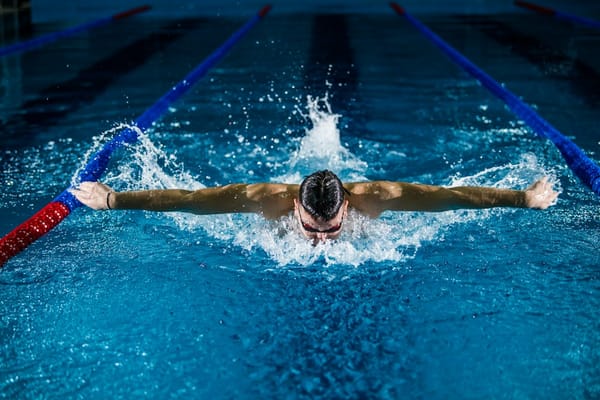
Sport
Swimming Data Crisis: Implausible Times and Flawed Metrics Undermine Critical Velocity Analysis
A recent scientific commentary has raised significant concerns regarding the validity of bioenergetic performance data in competitive swimming, specifically targeting a study by Amara et al. published in Sports (2026). The critique highlights two critical methodological flaws th…
Read More...
Sport
How Night Games Disrupt Baseball Sleep: The GDL Metric Explained
In the high-stakes arena of professional sports, we often focus on physical training and raw talent. Yet a recent cross-sectional study involving Japanese professional baseball players reveals that scheduling logistics play a critical role in athlete well-being. The research int…
Read More...
Sport
Hungary Study: How Coach-Athlete Bonds Build Confidence and Mental Health
Mental health stands as a vital pillar of athletic achievement, yet it often remains in the shadows compared to physical training. Athletes navigate intense pressure from performance expectations, injury risks, and career instability, which can increase vulnerability to anxiety…
Read More...