
Elon Musk Says Every Car Will Soon Need Starlink: What the AI Data Surge Means for Your Next Vehicle
We compile, generate and translate using Artificial Intelligence from the below given source. Macro Micro News is responsible for its editorial publication.
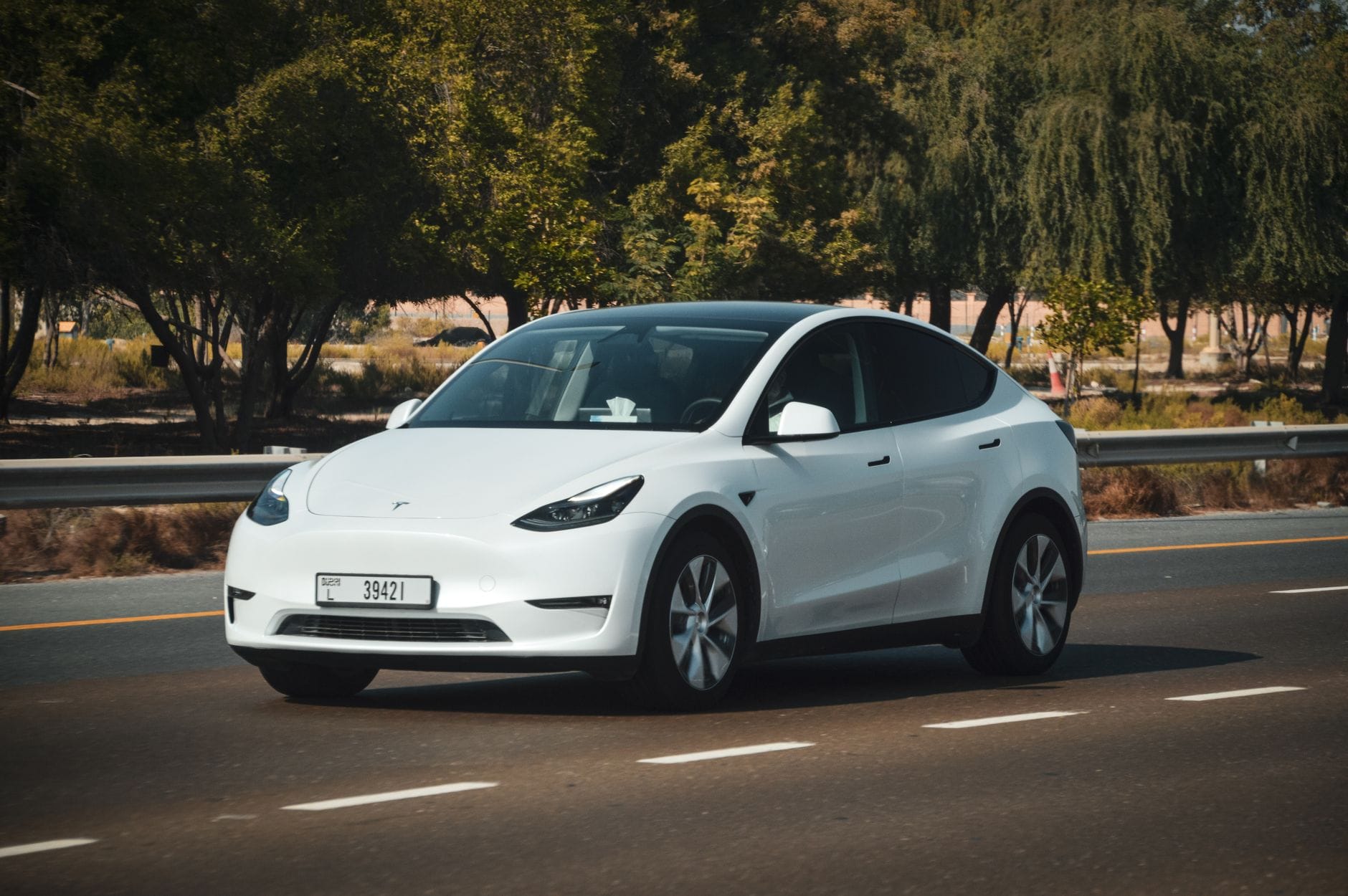
Austin, TX, MMN Correspondent: What if your car could talk to a satellite orbiting 500 kilometers above Earth? Beyond GPS alone, this connection could handle streaming, fleet coordination, and processing massive amounts of artificial intelligence data. Elon Musk believes that day is coming sooner than you think.
In a recent series of posts on X, the SpaceX and Tesla CEO laid out a straightforward prediction: every car on the road will eventually need satellite internet. Starlink, his company's orbital broadband network, has outgrown its early role for rural homes and cruise ships. It is becoming a core piece of vehicle infrastructure.
The timing is no accident. Cloudflare, the internet infrastructure giant, has forecast that autonomous AI agents will soon generate far more online traffic than humans. That means billions of devices, including cars, will need to send and receive data continuously. Musk calls this shift "not a close call at all." Current ground-based systems like fiber optics and cellular towers are built for human browsing patterns. AI systems need constant streaming, updates, and coordination, and they need it everywhere.
Here is where Tesla's recent moves make sense. On July 20, Tesla confirmed that its upcoming Cybercab robotaxi will include a Starlink terminal integrated into the roof. This is the first time a production vehicle from the company carries satellite hardware. Ashok Elluswamy, Tesla's head of AI, clarified that the satellite link is not used for autonomous driving. The Cybercab's driving stack relies entirely on onboard cameras and compute. The satellite link supports navigation, customer service, fleet management, and even 4K video streaming for riders. Musk later expanded the plan to Tesla's entire lineup, and his latest posts push the industry to follow.
SpaceX has been building toward this vision for months. The company has an FCC filing for a third-generation Starlink constellation. It has also proposed Starmind, a network of up to a million satellites designed to run AI computation directly in orbit. That would allow data to be processed in orbit before ever touching Earth. Musk expects space to become the cheapest place to deploy AI compute within two to three years. Cars, trucks, and robots will be one more category of hardware that taps into both systems: one to move data, another to process it.
For current Tesla owners, nothing changes right away. Existing vehicles continue to use LTE and Wi-Fi. Tesla has not described a retrofit path for older cars. The July 22 commitment applies to future production. So what Musk added on Sunday is the reasoning behind that move: ground-based networks will not keep up with the data explosion that cars, robots, and AI systems are about to create. Autonomous vehicles alone are expected to generate terabytes of data per hour, from high-definition mapping to real-time sensor feeds. Much of that data is processed onboard. Cloud updates, over-the-air patches, and fleet coordination will still require enormous bandwidth on top of onboard processing. Satellite internet, with global coverage and low latency, fills the gaps that cellular networks leave behind, especially in rural or remote areas.
This vision extends beyond Tesla and SpaceX. The Boring Company recently unveiled its Liner Truck 3, an all-electric tunnel vehicle that runs on Tesla Model 3 batteries and drive units. It transports concrete segments to boring machines without human operators and is remotely piloted from a global operations center in Texas. That is another example of how Tesla components are finding second lives in heavy equipment. Meanwhile, SpaceX's recent IPO and its massive capital expenditures, $18 billion in the last quarter alone, show the company is building the infrastructure needed for an AI-driven future. AI investment jumped from $749 million to $15.8 billion. Investors have responded well, with SpaceX stock rallying even after a major lockup expiration.
The automotive industry could be transformed if satellite internet becomes standard in every car. Connectivity services could become a new revenue stream. Real-time traffic prediction, autonomous fleet coordination, and in-car cloud gaming would become possible anywhere. Reliable high-speed connections in all environments, from urban canyons to remote highways, could accelerate the adoption of autonomous vehicles. Of course, there are challenges: terminal costs, regulatory approvals, and global spectrum coordination. But Musk has a history of turning ambitious concepts into everyday products, from reusable rockets to mass-market electric vehicles. That history adds weight to this vision.
The big picture is clear. Elon Musk is preparing for a future where vehicles generate and receive more data than most homes do today. With Starlink and Starmind, SpaceX is building the orbital backbone for that future, and Tesla is placing the first terminals on cars. Your next vehicle could have more than a windshield and wheels. It could include a direct line to space, ensuring the data flows seamlessly no matter where the road leads.
Related in Space Tech
Space Tech
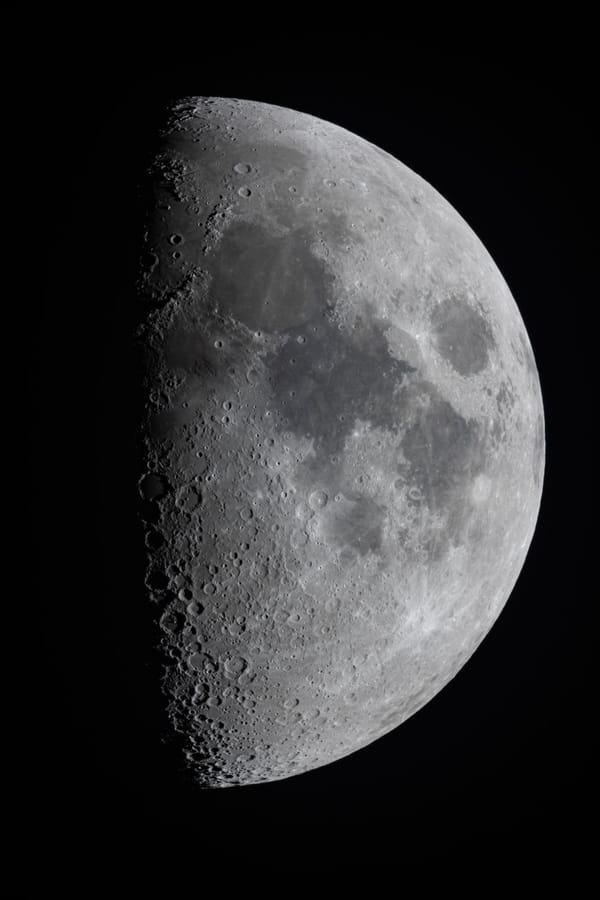
Lunar Farside Revealed: 15,000 Images Uncover Ancient Moon Terrain
For centuries we have looked up and seen only one face of our nearest celestial neighbor. Tidal locking keeps the far side turned away from Earth, creating a permanent blind spot in human history. Modern orbital technology has now lifted that veil. A detailed mosaic captured by…
Read More...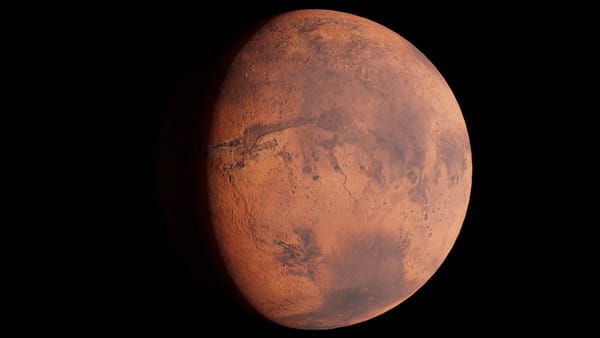
Space Tech
Stickney Crater: How a Massive Impact Nearly Destroyed Mars' Moon Phobos
Phobos, the innermost moon of Mars, carries a scar that tells a story of cosmic violence. Stickney Crater dominates its surface, a colossal basin named after Angeline Stickney Hall, wife of astronomer Asaph Hall. Hall discovered both Phobos and Deimos in 1877, linking human hist…
Read More...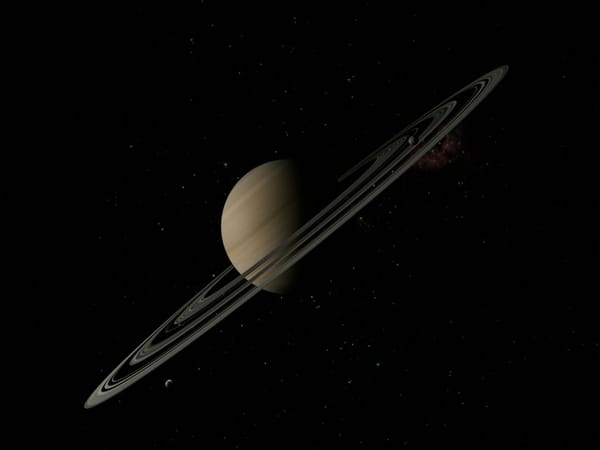
Space Tech
Saturn's Cosmic Clarity: How One Night Revealed the Ringed Planet's Secrets
On October 8, 2026, the Astronomy Picture of the Day featured a breathtaking composite image titled "The Saturn System Smörgåsbord." This visual feast offers an unprecedented view of the ringed planet and its diverse moons. Astrophotographer Tom Williams captured this exquisite…
Read More...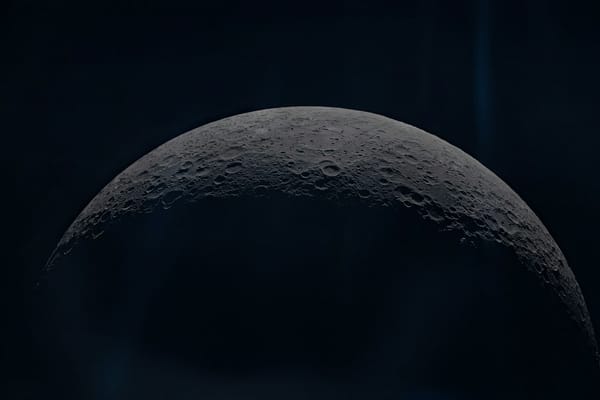
Space Tech
Artemis II Crew Captures Lunar Impact Flashes: What the Moon Revealed in April 2026
NASA has shared a remarkable dataset from the Artemis II mission that offers fresh perspectives on our lunar neighbor. The journey occurred between April 1 and April 10, 2026, marking the first crewed trip to the Moon's vicinity since the Apollo days. Astronauts Reid Wiseman, Vi…
Read More...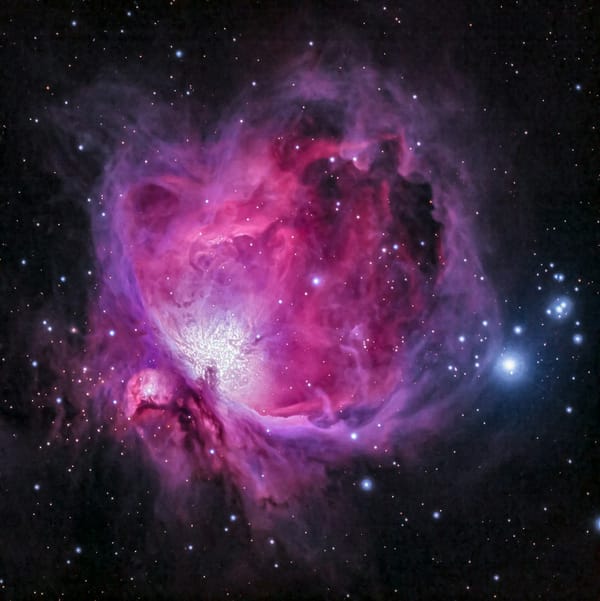
Space Tech
Pa 30: The 845-Year-Old Supernova Mystery That Defies Standard Models
The night sky holds countless stories written in light and dust. Among these celestial narratives, supernova remnants stand as testaments to the violent yet creative end of stellar lives. These expanding shells do more than mark a star's death. They scatter heavy elements across…
Read More...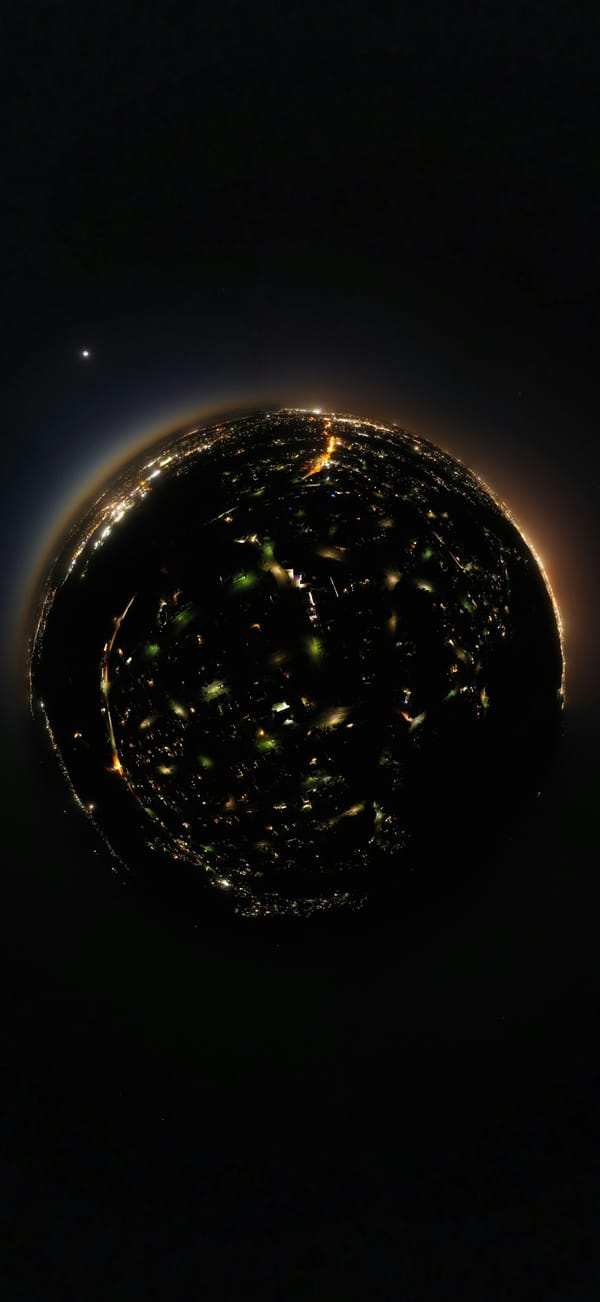
Space Tech
Earth's Full Aurora Ring Revealed: SMILE Mission Captures Complete View
Scientists have achieved a remarkable first by capturing the entire auroral oval in one continuous shot. The Solar Wind Magnetosphere Ionosphere Link Explorer mission shared this image on October 6, 2026. This perspective offers a fresh look at how our planet interacts with the…
Read More...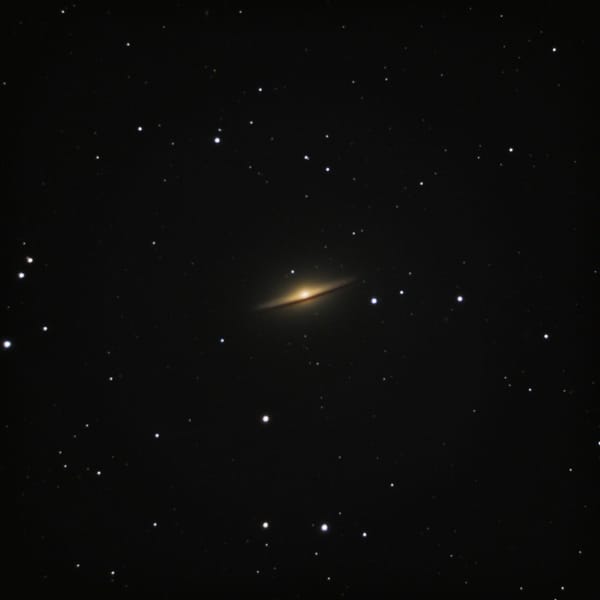
Space Tech
Sombrero Galaxy M104: New Deep-Exposure Image Reveals Tidal Streams and Violent History
The Sombrero Galaxy, known scientifically as Messier 104 or M104, has always drawn the eye with its striking resemblance to a wide-brimmed Mexican hat. This massive spiral galaxy features a bright central bulge encircled by a distinctive dark band of interstellar dust. While ast…
Read More...
Space Tech
New Jersey Sky: Witnessing Supernumerary Rainbows and the Wave Nature of Light
On October 4, 2026, the skies above New Jersey presented a rare spectacle that captivated both amateur photographers and meteorology enthusiasts. Following the passage of storm remnants over the Jersey Shore, a standard rainbow appeared in one direction. However, the phenomenon…
Read More...
Space Tech
Mars Rover's New Selfie Reveals Vera Rubin Ridge Secrets
NASA’s Curiosity rover has once again provided humanity with a breathtaking glimpse into the red planet. The vehicle captured a stunning panoramic selfie at the south rim of Vera Rubin Ridge. This image served as the Astronomy Picture of the Day for October 3, 2026. It marks a s…
Read More...
Space Tech
313 Nebulas Captured: The Complete Sharpless Catalog Revealed in Eastern China
On October 2, 2026, NASA’s Astronomy Picture of the Day highlighted a monumental achievement in astrophotography. The complete Sharpless Catalog has been unveiled, showcasing 313 distinct nebulae. This comprehensive collection offers an unprecedented opportunity to explore the d…
Read More...