
Equinox 2026: When Day Meets Night and Why Your Clock Is Wrong
We compile, generate and translate using Artificial Intelligence from the below given source. Macro Micro News is responsible for its editorial publication.
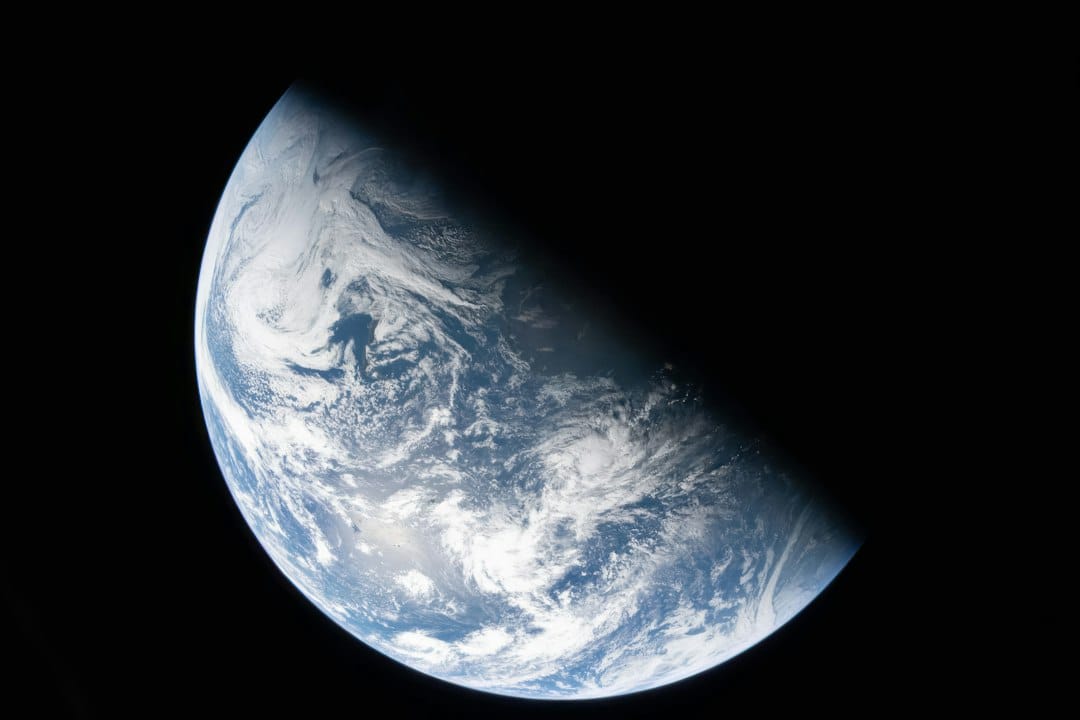
Global, Source:
The calendar turns a page in 2026 with two pivotal moments that have captivated human imagination for millennia. These are the equinoxes, precise astronomical events where the Sun crosses the celestial equator. They mark the transition between seasons and offer a rare glimpse into the mechanics of our solar system. The vernal equinox arrives on March 20 at 14:46 UTC, which translates to 7:46 AM EDT. The autumnal equinox follows later in the year on September 23 at 00:05 UTC, or 5:05 PM PDT on September 22. These specific times remind us that this phenomenon is a global event, transcending local time zones and cultural boundaries.
We often hear the term "equinox" derived from Latin roots meaning "equal night." This etymology suggests a perfect balance where day and night share equal length. However, the reality observed by astronomers is more nuanced. While the equinox marks the exact moment the center of the Sun intersects Earth's equatorial plane, the actual duration of daylight varies significantly by latitude. This discrepancy exists because the Sun is not a point source of light but a large sphere. Furthermore, atmospheric refraction bends sunlight as it rises and sets. This bending effect extends daylight by several minutes beyond what simple geometric calculations would predict. Consequently, true equality between day and night occurs a few days before the spring equinox and a few days after the fall equinox in most locations.
During these specific dates, Earth's axial tilt is neither toward nor away from the Sun. This unique alignment results in both hemispheres receiving nearly equal amounts of solar energy. For observers anywhere on the planet, the Sun rises due east and sets due west. Those standing at the equator witness a particularly striking visual spectacle as the Sun passes directly overhead at noon. As Earth continues its orbit, the Sun's apparent path shifts northward after the March equinox until the June solstice. It then moves southward after the September equinox until the December solstice. This cyclical movement drives the seasonal changes that define life on our planet.
Culturally, equinoxes have long been associated with balance and transition. Ancient civilizations constructed monumental observatories aligned with these celestial events to track agricultural cycles and religious festivals. Today, modern astronomy allows anyone to understand these mechanics without specialized equipment. The equinox serves as a reminder of Earth's dynamic relationship with the Sun. It offers a moment to appreciate the intricate dance of celestial bodies that sustains life on our world.
Related in Space Tech

Space Tech
Houston's Japan Festival: How NASA and JAXA Are Inspiring the Next Generation of Space Explorers
Imagine standing in Hermann Park on a crisp September weekend, surrounded by the vibrant sounds of traditional Japanese music and the aroma of authentic cuisine. This was the scene during Houston’s 33rd Annual Japan Festival on September 12-13, 2026. But amidst the cultural cele…
Read More...
Space Tech
Callanish Stones and the Sun's Figure-Eight: A 2026 Celestial Guide
The meeting point of ancient human ingenuity and cosmic mechanics produces some of the most striking visual phenomena in astronomy. On September 20, 2026, NASA’s Astronomy Picture of the Day highlighted a breathtaking composite image titled "Analemma over the Callanish Stones."…
Read More...
Space Tech
Ladakh Night Sky: Witness the Zodiacal Light Phenomenon in 2026
Imagine standing at 4,500 meters above sea level where the air is thin and the darkness is absolute. On September 19, 2026, visitors to the Hanle Dark Sky Reserve in Ladakh, India, were treated to a rare celestial event. Just before astronomical twilight began, the sky revealed…
Read More...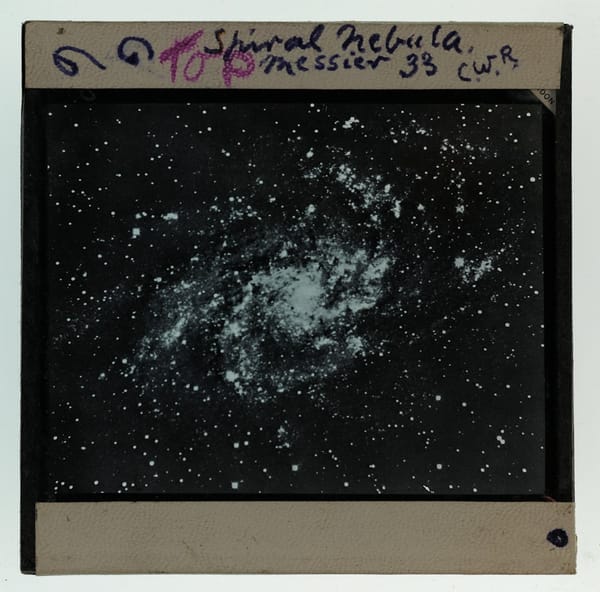
Space Tech
M33: The Triangulum Galaxy's Star-Forming Secrets and Cosmic Distance Clues
Nestled within the small northern constellation of Triangulum lies one of the most magnificent face-on spiral galaxies visible from Earth. Messier 33, widely known as the Triangulum Galaxy, often carries the evocative nickname Pinwheel Galaxy. This celestial body stands as a tes…
Read More...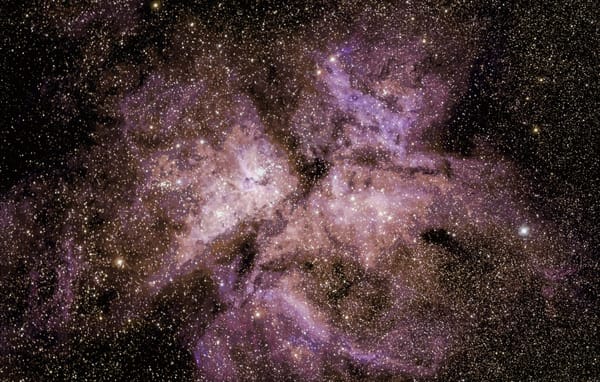
Space Tech
Carina Nebula: Inside the Stellar Treasure Chest of Giant Stars
Deep within the southern constellation of Carina, roughly 7,500 light-years from Earth, lies one of the most active star-forming regions in our galaxy. The Carina Nebula is a vast cosmic cloud that acts as a dynamic engine for stellar birth. Gravity compresses matter here into b…
Read More...
Space Tech
Webb Telescope Reveals M64's Counter-Rotating Gas: A New Era of Galactic Evolution
The James Webb Space Telescope has delivered a striking new view of Messier 64, widely recognized as the Black Eye Galaxy. Situated roughly 17 million light-years from Earth in the constellation Coma Berenices, this spiral galaxy features a distinctive dark dust band that partia…
Read More...
Space Tech
Your Body Is Made of Stardust: The Cosmic Journey of Every Atom You Possess
Consider the atoms that compose your physical form. Each one carries a history spanning billions of years, forged in the violent and majestic events that shaped our universe. While it might seem intuitive to assume all matter is created equally, astrophysics reveals a far more c…
Read More...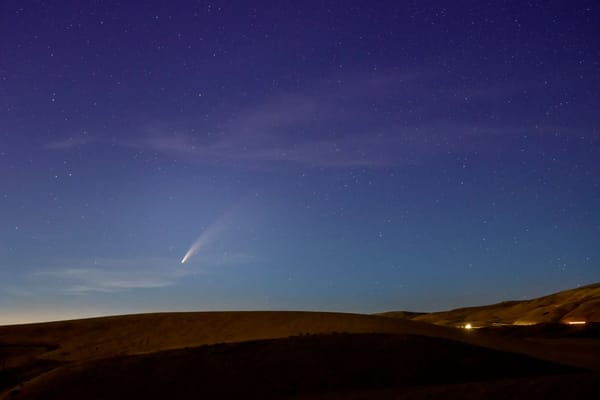
Space Tech
Comet NEOWISE Over the Adriatic: A 2026 Night Sky Spectacle You Must See
On September 13, 2026, the night sky delivered a breathtaking reminder of our solar system's dynamic nature. Comet NEOWISE rose majestically over the shimmering waters of the Adriatic Sea. This stunning astronomical event was captured in high definition by an early-rising photog…
Read More...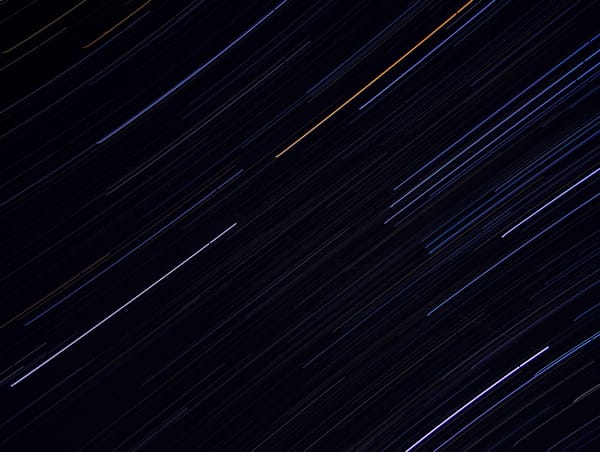
Space Tech
Train AI to Reveal Dark Energy: Join NASA’s Artifact InSPECtor Project
You hold the key to unlocking the universe's greatest mysteries. Scientists face a persistent hurdle in their quest to understand dark energy. They must separate genuine cosmic signals from digital noise. A new initiative by NASA called Artifact InSPECtor invites you to help ref…
Read More...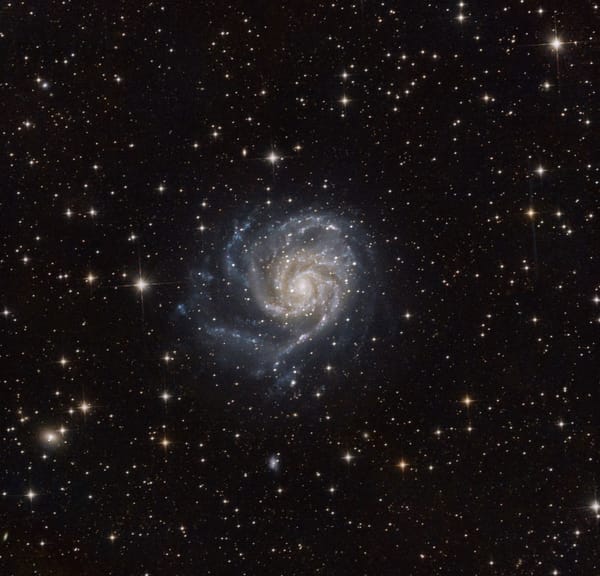
Space Tech
M83: Why This Southern Galaxy Defies Expectations
Global, Source Deep within the southeastern reaches of the constellation Hydra, approximately twelve million light-years from Earth, lies one of the most visually striking galaxies in the night sky: Messier 83, widely known as the Southern Pinwheel. This magnificent spiral galax…
Read More...