
EU Emergency Aid Reaches Nepal as Arctic Ties Deepen: What This Means for Global Stability
We compile, generate and translate using Artificial Intelligence from the below given source. Macro Micro News is responsible for its editorial publication.
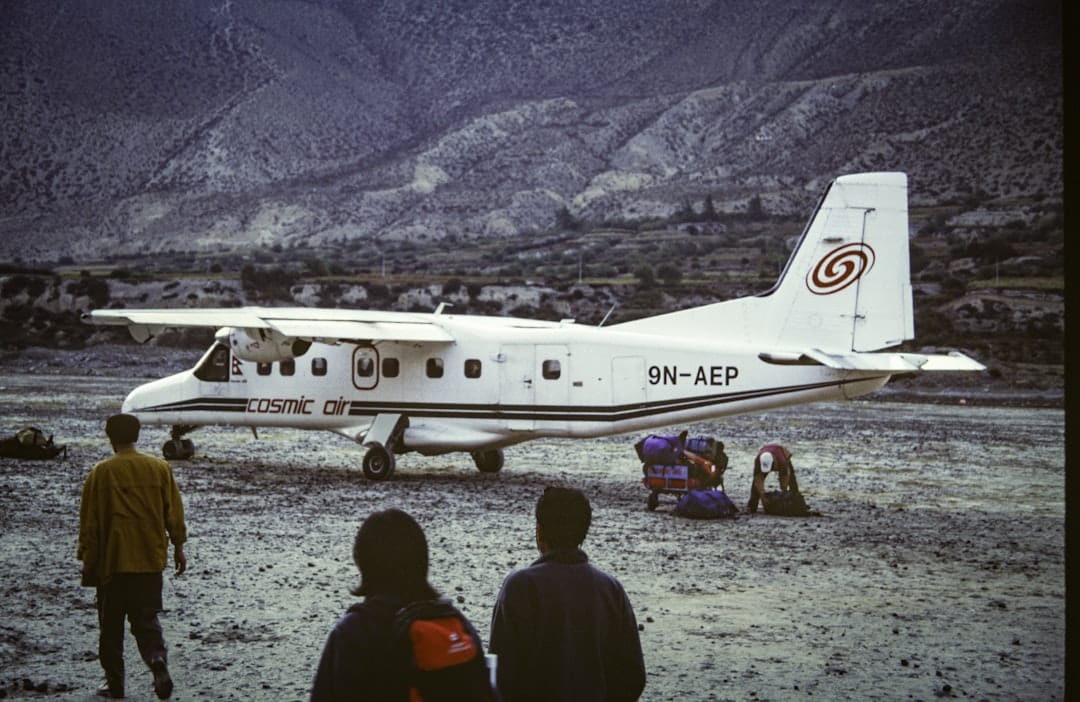
Kathmandu, Nepal, Source:
Early September 2026 has marked a pivotal moment for the European Union, showcasing a dual approach that blends urgent humanitarian action with strategic geopolitical engagement. The Commission has simultaneously launched a massive relief operation for Nepal following devastating floods and advanced high-level diplomatic relations with Greenland to address emerging Arctic security concerns.
The situation in Nepal remains critical after rivers of mud and water swept away homes, schools, and entire communities in a single night. In response, the EU deployed a Humanitarian Air Bridge flight carrying 82 tonnes of essential supplies. Organized in partnership with UNICEF, this cargo includes critical items for nutrition, health, water sanitation, shelter, education, and psychological protection. These efforts are bolstered by an additional €500,000 from the European Commission, channeled through the International Federation of Red Cross and Red Crescent Societies to support local teams. This funding complements the €2 million in emergency aid allocated on August 28, bringing the total EU financial commitment for 2026 to nearly €5 million when including prior disaster preparedness funds. Commissioner for Crisis Management, Hadja Lahbib, emphasized that European Solidarity crosses oceans, aiming not just to help Nepal survive but to rebuild stronger. Concurrently, Luxembourg, Germany, Latvia, and Norway are contributing equipment such as life jackets, medical supplies, and emergency energy kits.
Parallel to these relief efforts, European Commission President Ursula von der Leyen embarked on a strategic visit to Nuuk, Greenland, on September 6-7. The mission aims to deepen the EU-Greenland partnership amid the growing strategic importance of the Arctic region. During the visit, President von der Leyen met with Greenlandic Premier Jens-Frederik Nielsen, Danish Prime Minister Mette Frederiksen, and Faroe Islands Prime Minister Beinir Johannesen. Key discussions focused on concrete initiatives to strengthen bilateral cooperation and review the EU’s Arctic Policy to respond to current developments. A symbolic and practical highlight of the trip was the joint boat visit to the Greenland Ice Sheet and the launch of the Enhanced Satellite Connectivity Project at Tusass facilities. The leaders also signed a renewed Joint Declaration on EU-Greenland relations, signaling a commitment to sustainable development and security in the High North.
Additionally, the Commission marked the upcoming European Day of Jewish Culture on September 6 by releasing two new handbooks designed to protect and foster Jewish life across Europe. These tools provide public authorities with guidance on making Jewish heritage more visible and combating antisemitism through understanding. Magnus Brunner, Commissioner for Internal Affairs and Migration, noted that fostering Jewish life is an investment in democracy, preserving millennia of cultural heritage. The first Simone Veil Prize will be awarded on December 3, 2026, to honor individuals and organizations keeping this heritage alive.
Related in Politics
Politics
Europe's New Aid Strategy: How Team Europe Is Protecting Workers and Fixing Supply Chains in 240 Million Crisis Zones
European Commissioner Lahbib Zouarhi recently took the stage at the Foreign Affairs Council to unveil a bold new vision for humanitarian aid. The message was clear. Europe must step up as "Team Europe" to tackle the growing number of global crises. With nearly 240 million people…
Read More...
Politics
Germany's Growth Mirage: Weidel Exposes the Debt Trap Behind Official Projections
The German federal government recently unveiled its autumn economic projections for October 2026, highlighting a projected growth rate of 1.3 percent for the current year. This optimistic forecast suggests a notable upswing in national economic activity. However, Alice Weidel, c…
Read More...
Politics
EU-Mexico Trade Alliance 2026: How This Partnership Is Reshaping Global Supply Chains
The European Union and Mexico have always been strong partners in multilateral cooperation. By September 2026 their relationship has become a key test for global economic resilience. Trade tensions are rising in many parts of the world. The EU-Mexico partnership offers stability…
Read More...
Politics
Ireland's EU Presidency: How Humanitarian Aid and Preparedness Build a Safer Future
As Ireland takes the helm of the Council of the European Union, Commissioner Lahbib highlights a pivotal moment for global engagement. Europe now faces a dual mandate that requires both moral leadership through humanitarian aid and strengthened internal resilience against a comp…
Read More...
Politics
Saxony-Anhalt Breaks Tradition: AfD's Tobias Rausch Takes Landtag Presidency
German politics witnessed a defining moment on October 6, 2026, when the newly constituted state parliament of Saxony-Anhalt elected Tobias Rausch as its Landtag President. This event marks the first time in the history of the Federal Republic that a member of the Alternative fo…
Read More...
Politics
Von der Leyen's Balkan Strategy: Why EU Expansion is a Mutual Transformation
Ursula von der Leyen has made it clear that the European Union’s path forward involves more than just opening borders. Her recent visits to the Western Balkans highlight a strategic shift where enlargement is treated as a mutual transformation rather than a one-sided gift from B…
Read More...
Politics
EU-Mexico Trade Shift 2026: What Nearshoring and Green Tech Mean for Your Business
The relationship between the European Union and Mexico is undergoing a significant transformation as we navigate through 2026. This partnership has evolved from traditional trade agreements into a robust framework focused on sustainable development digital innovation and diploma…
Read More...
Politics
Germany's 52% State Share: What This Record Means for Your Wallet and Economy
In early October 2026, Germany reached a notable economic milestone. The federal government projected a state share of 52 percent for the current year. This figure marks a new all-time high. It signals a substantial shift in how public expenditure relates to national economic ou…
Read More...
Politics
North Macedonia's EU Path: Security, Economy, and Institutional Readiness
In a significant diplomatic engagement held in Skopje, European leadership reaffirmed its commitment to North Macedonia’s accession to the European Union, highlighting the nation’s pivotal role in regional security and economic stability. The dialogue underscored North Macedonia…
Read More...
Politics
Germany's Subsidy Crisis: Why Taxpayers Are Demanding Fiscal Reform Now
In October 2026, the Bund der Steuerzahler released its annual "Black Book," a detailed report exposing state-funded waste and inefficient subsidy programs across Germany. This publication has sparked a significant conversation about fiscal responsibility, revealing how public f…
Read More...
Politics
Brussels Confirms €45 Billion Ukraine Aid Package for 2027: What This Means for Your Future
The European Commission and Ukraine have just released a joint statement that signals a major shift in how financial support is structured. Announced on October 1, 2026, this move reinforces transatlantic solidarity while addressing Kyiv's urgent financial needs. The question no…
Read More...