
European Commission’s Major Decisions: €4.5M Fuel Aid, Pratt & Whitney Case, LNG Shipping, Ukraine’s 35th Independence Day – What They Mean for You
We compile, generate and translate using Artificial Intelligence from the below given source. Macro Micro News is responsible for its editorial publication.
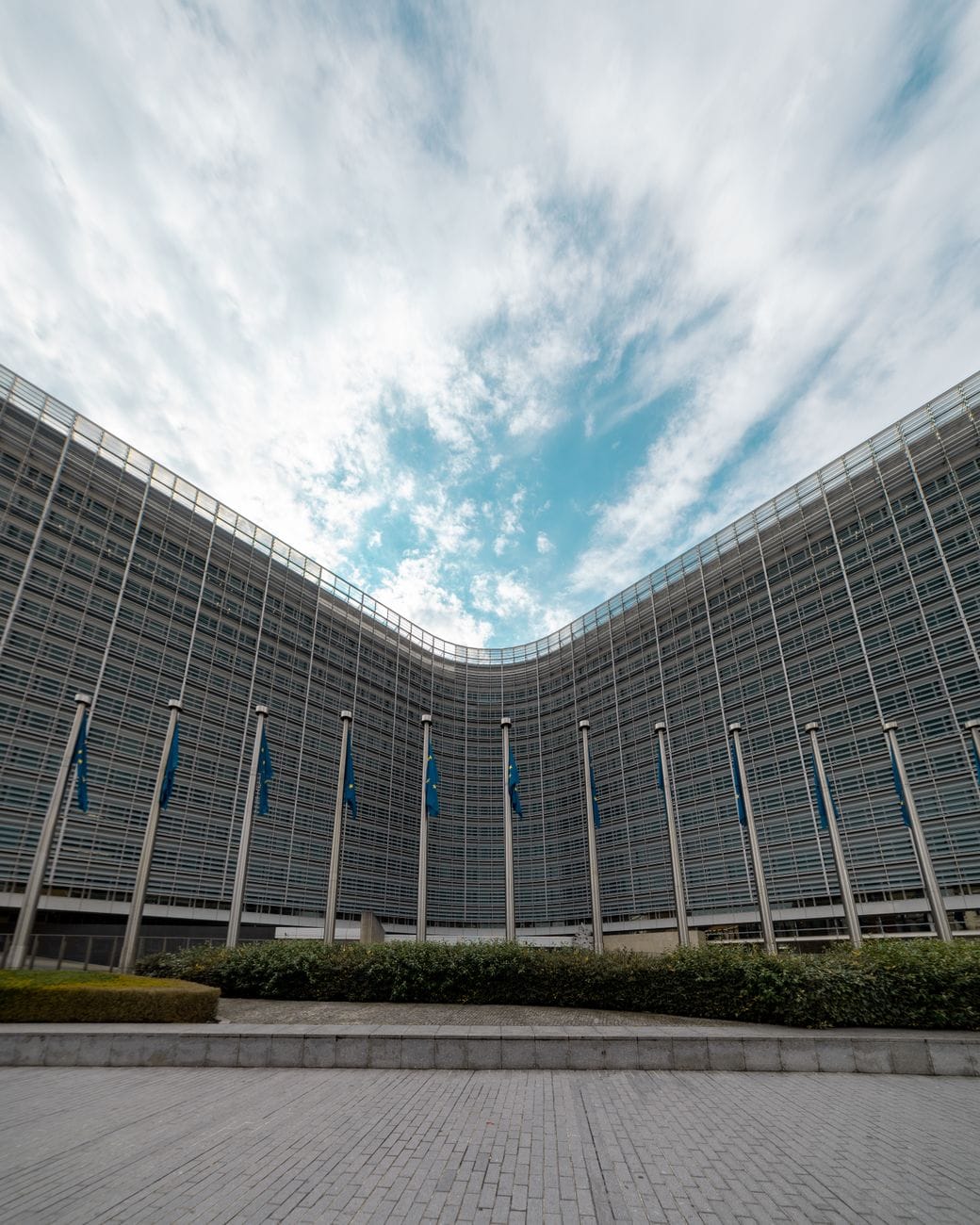
Brussels, Belgium, Source :
One decision could ease the pressure on fishing businesses dealing with expensive fuel. Another might give aircraft maintenance providers more freedom to source used parts. Then there’s a new LNG shipping venture, a day of remembrance, and a huge vote of confidence in Ukraine. All of that came from Brussels on 21 August 2026. Here’s what it means for you.
Let’s start with the direct help for Germany’s fishing and aquaculture sector. Rising fuel prices, partly linked to the Middle East crisis, have squeezed businesses that depend on vessels and energy-heavy operations. The European Commission approved a €4.5 million State aid scheme that will be handed out as direct grants. These grants are designed to cover around 70% of the extra fuel costs from 1 March to 23 July 2026. For eligible companies, the maximum support is €50,000. This used Article 107(3)(c) of the Treaty on the Functioning of the European Union and the fisheries State aid framework as its legal basis. The Commission’s verdict: the support is necessary, appropriate, and proportionate. That gives the sector a temporary cushion without upsetting competition across the single market.
The aircraft engine case is a classic example of how competition enforcement works quietly behind the scenes. Pratt & Whitney Canada is the main supplier of turboprop engines across the European Economic Area, and independent used serviceable material (USM) suppliers depend on access to engine cores and certification services. They take used parts that are still airworthy and give them a second life. A central question was whether maintenance shop agreements stopped those independent suppliers from getting what they needed. After talking with the Commission, Pratt & Whitney adjusted the contracts and stated clearly that shops can buy USM from other suppliers. The Commission closed the case and noted that closure is not the same as a formal finding of infringement. The result opens the door to more competition in repairs and spare parts, which is generally good news for the aviation sector.
On the maritime energy side, the Commission cleared a joint venture between CMA CGM and TotalEnergies for LNG bunkering logistics. In plain terms, this is the business of delivering liquefied natural gas to ships that use it as a marine fuel. Demand for this service continues to grow as the shipping industry looks for cleaner alternatives. The review used the simplified merger procedure because the joint venture won’t have significant activity inside the European Economic Area, and the parent companies’ combined positions in the relevant markets remain limited. This supports the EU’s broader push to cut emissions from shipping and build the refuelling infrastructure that a cleaner fleet will need.
There was also a moment to reflect on Europe’s shared history. The Commission released a statement before the Europe-wide Day of Remembrance on 23 August, a date dedicated to victims of all totalitarian and authoritarian regimes. Executive Vice-President Henna Virkkunen and Commissioner Michael McGrath recalled the signing of the Molotov-Ribbentrop Pact in 1939. That pact between Nazi Germany and the Soviet Union led to war, occupation, repression, deportation, and immense human suffering across the continent. The message from Brussels was clear: freedom and democracy need constant care, and remembering the past is part of building a stable future. That responsibility belongs to every generation.
Ukraine’s 35th anniversary of independence on 24 August 2026 was the other major thread. The European Commission reaffirmed its solidarity with a country that has shown extraordinary resilience since the full-scale invasion began in February 2022. The support behind that statement is substantial. The EU and its Member States have mobilised €220.2 billion in humanitarian, financial, and military assistance. Since 2024, €8 billion generated by immobilised Russian Central Bank assets has been made available to Ukraine, including €3.8 billion through the European Peace Facility and the Ukraine Facility. The remaining proceeds help repay G7 Extraordinary Revenue Acceleration loans through the Ukraine Loan Cooperation Mechanism. In July 2026, the EU launched a Defence Industrial Partnership with Ukraine and a Drone Deal that adds another €1 billion for drone production. The EU’s engagement also covers long-term recovery, the return of children transferred or deported by Russia, and accountability through the International Claims Commission and the Special Tribunal for the Crime of Aggression against Ukraine.
Put together, these decisions show how the European Commission operates on many fronts at once. It can offer a lifeline to businesses under pressure, make sure markets stay fair, support cleaner marine fuels, honour historical lessons, and stand firmly beside Ukraine. The full picture from 21 August 2026 is one of an institution taking action with both the present and the future in sight.
Related in Politics
Politics
Germany's Growth Mirage: Weidel Exposes the Debt Trap Behind Official Projections
The German federal government recently unveiled its autumn economic projections for October 2026, highlighting a projected growth rate of 1.3 percent for the current year. This optimistic forecast suggests a notable upswing in national economic activity. However, Alice Weidel, c…
Read More...
Politics
EU-Mexico Trade Alliance 2026: How This Partnership Is Reshaping Global Supply Chains
The European Union and Mexico have always been strong partners in multilateral cooperation. By September 2026 their relationship has become a key test for global economic resilience. Trade tensions are rising in many parts of the world. The EU-Mexico partnership offers stability…
Read More...
Politics
Ireland's EU Presidency: How Humanitarian Aid and Preparedness Build a Safer Future
As Ireland takes the helm of the Council of the European Union, Commissioner Lahbib highlights a pivotal moment for global engagement. Europe now faces a dual mandate that requires both moral leadership through humanitarian aid and strengthened internal resilience against a comp…
Read More...
Politics
Saxony-Anhalt Breaks Tradition: AfD's Tobias Rausch Takes Landtag Presidency
German politics witnessed a defining moment on October 6, 2026, when the newly constituted state parliament of Saxony-Anhalt elected Tobias Rausch as its Landtag President. This event marks the first time in the history of the Federal Republic that a member of the Alternative fo…
Read More...
Politics
Von der Leyen's Balkan Strategy: Why EU Expansion is a Mutual Transformation
Ursula von der Leyen has made it clear that the European Union’s path forward involves more than just opening borders. Her recent visits to the Western Balkans highlight a strategic shift where enlargement is treated as a mutual transformation rather than a one-sided gift from B…
Read More...
Politics
EU-Mexico Trade Shift 2026: What Nearshoring and Green Tech Mean for Your Business
The relationship between the European Union and Mexico is undergoing a significant transformation as we navigate through 2026. This partnership has evolved from traditional trade agreements into a robust framework focused on sustainable development digital innovation and diploma…
Read More...
Politics
Germany's 52% State Share: What This Record Means for Your Wallet and Economy
In early October 2026, Germany reached a notable economic milestone. The federal government projected a state share of 52 percent for the current year. This figure marks a new all-time high. It signals a substantial shift in how public expenditure relates to national economic ou…
Read More...
Politics
North Macedonia's EU Path: Security, Economy, and Institutional Readiness
In a significant diplomatic engagement held in Skopje, European leadership reaffirmed its commitment to North Macedonia’s accession to the European Union, highlighting the nation’s pivotal role in regional security and economic stability. The dialogue underscored North Macedonia…
Read More...
Politics
Germany's Subsidy Crisis: Why Taxpayers Are Demanding Fiscal Reform Now
In October 2026, the Bund der Steuerzahler released its annual "Black Book," a detailed report exposing state-funded waste and inefficient subsidy programs across Germany. This publication has sparked a significant conversation about fiscal responsibility, revealing how public f…
Read More...
Politics
Brussels Confirms €45 Billion Ukraine Aid Package for 2027: What This Means for Your Future
The European Commission and Ukraine have just released a joint statement that signals a major shift in how financial support is structured. Announced on October 1, 2026, this move reinforces transatlantic solidarity while addressing Kyiv's urgent financial needs. The question no…
Read More...